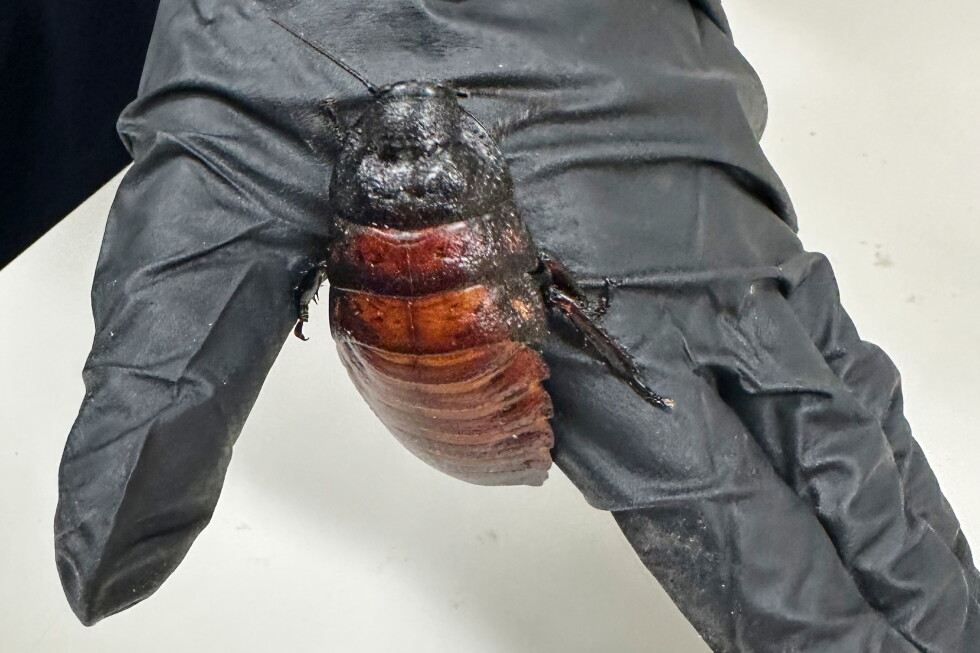
In what Australian authorities have described as the largest seizure of prohibited exotic invertebrates in the nation’s history, more than 100,000 illegally kept live cockroaches have been confiscated from a commercial breeder in New South Wales, officials confirmed Friday. The operation, carried out in May, targeted a breeder operating in the regional city of Bathurst, taking two prohibited species off the black market: Madagascar hissing cockroaches and dubia cockroaches, with a total estimated street value of 200,000 Australian dollars, equal to roughly $142,000 US.
Among the two species seized, the Madagascar hissing cockroach stands out for its extraordinary size: classified as one of the largest cockroach species on Earth, adult specimens grow between 2 and 3 inches long, far larger than the common native Australian cockroach which only reaches between 0.9 and 1.4 inches in length. Official government photos show the glossy brown invasive invertebrate is actually bigger than an average adult person’s finger.
Australia is already a nation where cockroaches thrive, with its warm, subtropical climate supporting hundreds of native species across the country. But these two introduced species are banned entirely under Australian law: import, possession, breeding and commercial sale of Madagascar hissing and dubia cockroaches are all criminal offenses, regardless of how the specimens were originally obtained.
Local Bathurst snake catcher Stefanie Lesser, who has experience dealing with exotic wildlife in the region, explained the illegal black market demand for these large insects to the Australian Broadcasting Corporation. She noted the roaches are primarily sold as a low-cost, convenient feed source for pet reptiles. Because of their large size, reptile owners require far fewer individual insects to feed their lizards and snakes, making the illegal roaches an attractive alternative to regulated feed options. In response, environmental officials are urging reptile and other exotic pet owners to turn to legal alternatives such as crickets or native wood roaches instead of purchasing prohibited invasive species.
Australia maintains some of the strictest biosecurity border controls in the world, designed to protect its unique native wildlife, $100 billion agriculture and horticulture industries from destructive invasive pest outbreaks. Anyone caught smuggling undeclared or prohibited animal, insect or plant material into the country faces fines reaching thousands of Australian dollars, and can face criminal prosecution for repeat or large-scale offenses.
In an official statement, the Department of Climate Change, Energy, Environment and Water emphasized that these exotic cockroach species have never undergone formal environmental risk assessment for introduction to Australia. If they were to establish wild populations, they could pose multiple threats to local ecosystems: they may carry and spread novel diseases to native invertebrate species, outcompete native cockroaches for resources, and disrupt local food chains, putting vulnerable native wildlife populations at risk. Authorities have warned that anyone found illegally possessing the prohibited invertebrates will face prosecution, though a department spokesperson confirmed no charges have been filed against the Bathurst breeder as of the announcement. All 100,000 seized cockroaches will be humanely euthanized to eliminate any risk of escape or release into the wild.