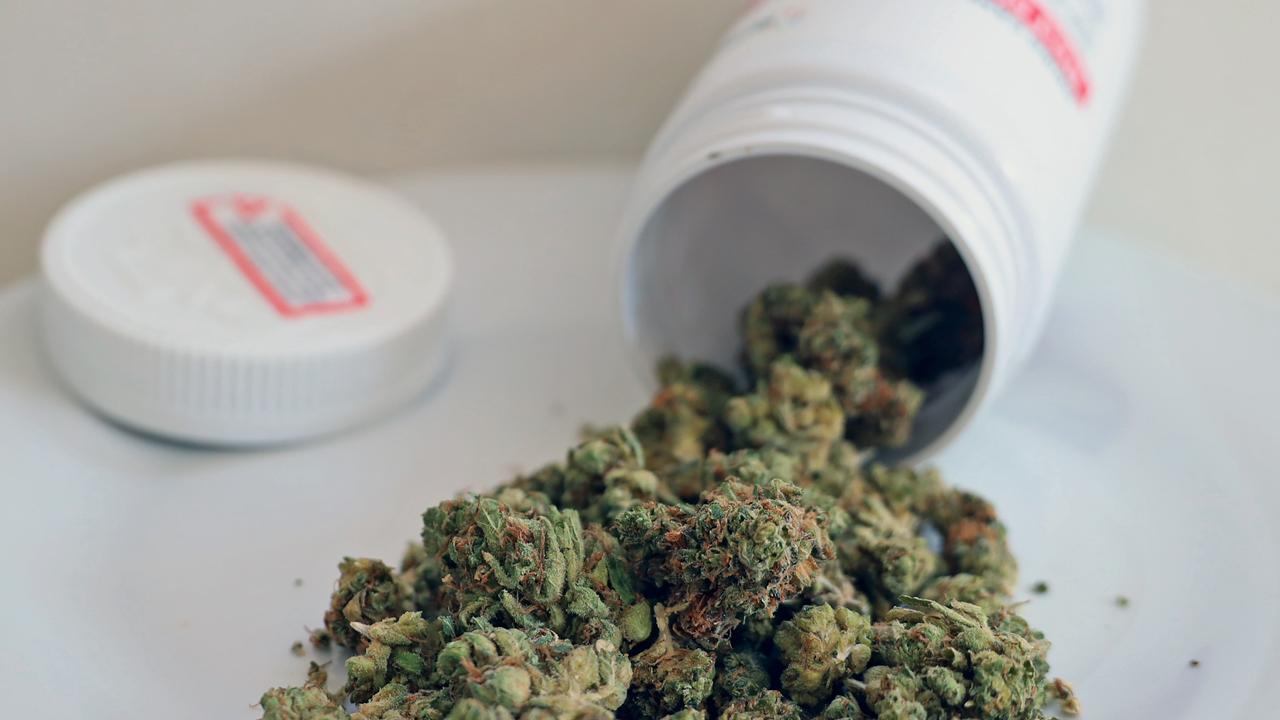
A landmark policy shift is set to transform the lives of hundreds of thousands of registered medicinal cannabis users across New South Wales (NSW), Australia, after the state Labor government unveiled long-awaited reforms that eliminate automatic penalties for motorists who test positive for trace amounts of THC after lawful use of their prescription medication.
Announced to the public on Thursday, the reform package will be tabled before NSW parliament with the explicit goal of introducing what government officials describe as a “commonsense approach” to balancing the needs of legitimate medicinal cannabis patients and non-negotiable road public safety. The plan introduces a graduated three-strike framework, designed to account for the reality that even compliant patients can retain measurable THC levels in their system for days or weeks after lawful use, without experiencing any driving impairment.
Under the new rules, all motorists will still undergo standard roadside drug testing, and any driver who tests positive for THC will face an immediate 24-hour driving suspension while lab analysis confirms the exact concentration of the compound. If test results show THC levels fall below the official maximum threshold, no criminal charges or further disciplinary action will be taken against the driver, provided the patient is enrolled in the official registration scheme.
For drivers who record THC levels at or above the legal threshold, the new graduated penalty structure applies: a first or second positive detection within a 24-month window will only result in an official warning letter. A third positive detection within two years will carry a fine of up to AU$704 and a minimum three-month driver’s license suspension. If alcohol, additional illicit substances, or multiple drugs are detected alongside THC, standard driving under the influence penalties will apply as usual.
Currently, an estimated 1 million Australians across the country rely on legally prescribed medicinal cannabis to manage chronic pain and other health conditions, with roughly one third of all national users based in NSW. Industry data also shows the number of approved cannabis-based medicinal products has nearly doubled over the past 12 months, reflecting growing clinical acceptance of the treatment. The reforms have therefore been framed as a critical update to out-of-date legislation that failed to keep pace with modern medical practice.
NSW Premier Chris Minns emphasized that while the reforms represent a major shift, road safety would remain the core priority of every element of the policy rollout. “For thousands of people, medically prescribed cannabis is life-changing medication that is necessary for people to go about their daily lives,” Minns said. “Our current laws enable people to safely and legally drive while taking a wide range of prescription medications but that doesn’t include cannabis prescribed by a medical practitioner. These changes strike a careful balance of providing a more practical approach for medicinal cannabis users while maintaining strong road safety protections for the community.”
NSW Police Minister Yasmin Catley echoed this commitment, stressing that the changes do not weaken law enforcement’s ability to remove impaired drivers from public roads. “These reforms do not change the ability of NSW Police to take dangerous drivers off our roads,” Catley said. “NSW Police will operationalise this reform as part of their role to enforce our laws, including roadside drug testing and action against impaired drivers. Every driver has a personal responsibility to know what they are taking and never get behind the wheel impaired.”
The new framework aligns directly with recommendations put forward by the state’s 2025 Drug Summit, and fulfills a longstanding demand from patient advocacy groups. Following the summit, Unions NSW publicly called on the government to speed up regulatory changes that would place legally prescribed cannabis on equal footing with other controlled prescription medications for road law purposes.
To qualify for the new protections, motorists must meet strict eligibility criteria. Drivers must register as a legitimate medicinal cannabis user with Transport for NSW, provide official documentation of a valid medical prescription, and complete a mandatory online education program covering the interaction between cannabis use and driving safety. The reforms only apply to NSW motorists holding full unrestricted driver licenses: learner drivers, provisional P-plate drivers, and commercial vehicle operators are explicitly excluded from the new protections. Registered users will still be required to undergo blood or urine testing following any serious motor vehicle crash, and will still face full criminal charges if they are proven to be driving while impaired.
To ensure the policy works as intended, the entire regulatory framework will be subject to a full formal review one year after it is implemented, to adjust any provisions as needed based on real-world outcomes.