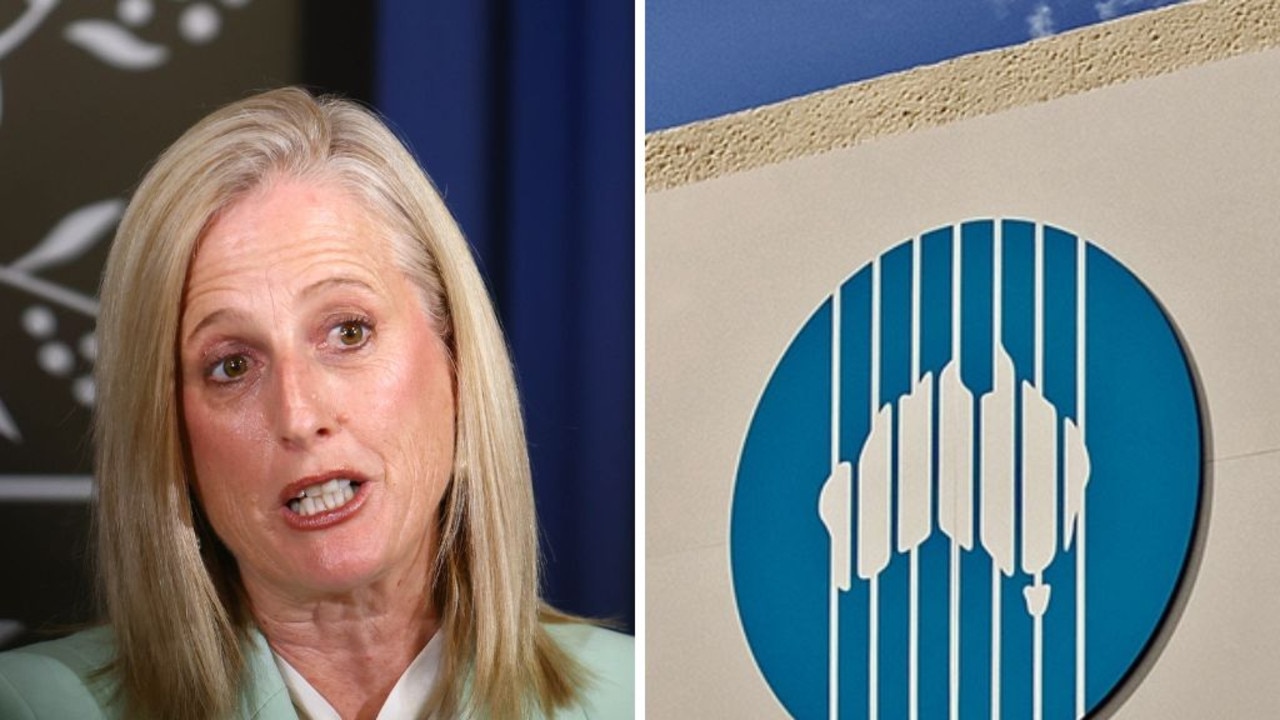
Australia’s national scientific research powerhouse, the Commonwealth Scientific and Industrial Research Organisation (CSIRO), has eliminated 151 frontline roles focused on environmental and health research, a move that has sparked widespread concern across the country’s scientific community even as the agency frames the cuts as a critical step toward long-term financial stability.
The latest round of layoffs, carried out over just several days, includes 92 positions from CSIRO’s Environment Research Unit and an additional 59 roles across the organisation’s health and biosecurity teams. These cuts form part of a broader restructuring initiative announced late last year that is set to eliminate as many as 350 research positions in total. Union data from the CSIRO Staff Association shows that the agency has cut a staggering 1,150 roles since the start of 2024, marking one of the most rapid periods of downsizing in the organisation’s modern history.
What makes the cuts particularly notable is that they come just months after the Australian federal government committed a $387.4 million, four-year funding injection to CSIRO, revealed in the 2024 May federal budget. Finance and Public Service Minister Katy Gallagher explained that the funding package was intended to provide the agency with the long-term operational stability it needed to continue delivering critical research and plan for future challenges. However, Gallagher acknowledged that the government could not guarantee no further jobs would be lost, noting that CSIRO operates as an independent statutory body with an autonomous board that makes its own strategic decisions, a framework the government fully supports. She added that the federal government remains confident the funding package will put CSIRO on a sustainable financial footing moving forward.
CSIRO leadership has defended the restructuring, pointing to deep-seated structural financial challenges that have built up over decades. Senior executives revealed last year that the organisation faces persistent long-term sustainability issues, with public funding failing to keep pace with the rising operational costs of running a world-class modern scientific agency. The agency estimates it requires up to $135 million in additional annual funding over the next decade just to maintain its current operations and capabilities.
To address this gap, CSIRO has opted to drastically narrow its research focus, deprioritizing projects that lack critical scale and reallocating resources to high-growth, high-impact advanced technology sectors including artificial intelligence, renewable energy, and robotics. “CSIRO has made strategic choices to evolve our research, to focus efforts where we can deliver the greatest national impact following a comprehensive review of our research portfolio,” a CSIRO spokesperson said. “To achieve this sharpened focus, we need to deprioritise areas where we lack the required scale to achieve significant impact or areas where others in the ecosystem are better placed to deliver.”
The 59 health and biosecurity roles eliminated in this round are a direct result of a departmental merger that combined the existing Health and Biosecurity unit with the Animal Health Laboratory to form a new, consolidated Biosecurity Research Unit. While CSIRO has stated that the merged unit will strengthen cross-sector expertise across animal, human, and plant health without compromising the critical diagnostic capabilities of the Australian Centre for Disease Preparedness, leading scientific industry bodies have raised serious alarms about the long-term consequences of the cuts.
Ryan Winn, chief executive of Science and Technology Australia, described the layoffs as another major blow to Australia’s domestic scientific capacity, particularly at a time when the nation is already responding to a current diphtheria outbreak and still grappling with the legacy of the COVID-19 pandemic. Winn pointed out that CSIRO’s health and biosecurity teams already endured significant cuts just two years ago, questioning how the nation can expect to retain and attract skilled STEM workers when faced with such persistent employment instability. “These jobs are not just a loss to the CSIRO, they could impact Australia’s capability to respond to future health and biosecurity emergencies,” Winn said.
CSIRO Chief Executive Dr Doug Hilton has remained steadfast in his defense of the overhaul, framing the painful job cuts as an essential survival measure for the national science agency. “These are difficult but necessary changes to safeguard our national science agency so we can continue solving the challenges that matter to Australia and Australians,” Dr Hilton said. “We must set up CSIRO for the decades ahead with a sharpened research focus that capitalises on our unique strengths, allows us to concentrate on the profound challenges we face as a nation and deliver solutions at scale.”