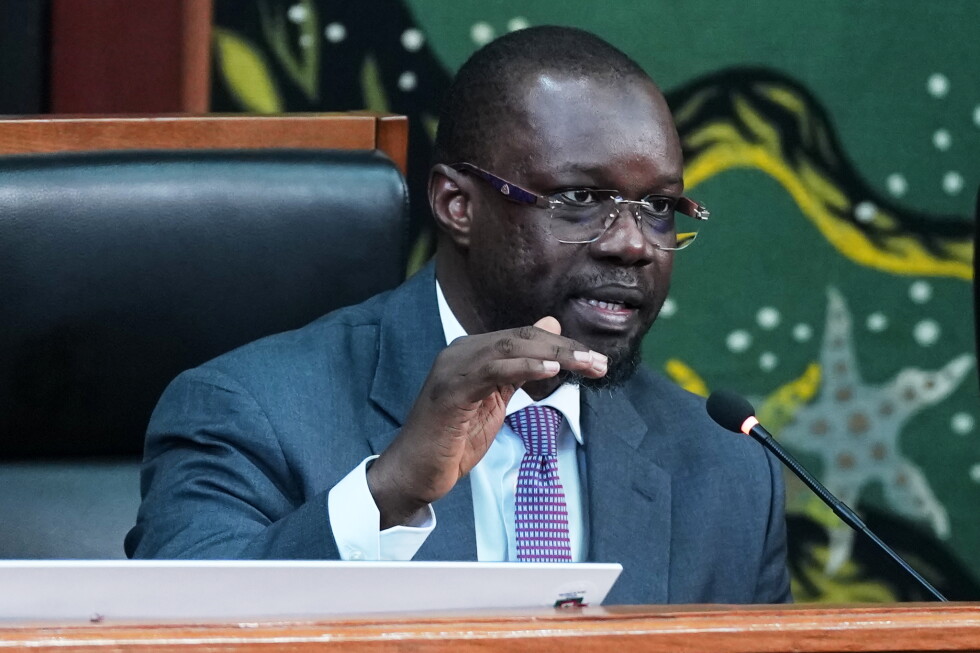
A widening political fracture in Senegal has thrown the West African nation into uncertainty, after ousted Prime Minister Ousmane Sonko announced his majority ruling party will boycott the newly formed national government — escalating months of public tension with President Bassirou Diomaye Faye and raising fears of crippling governance gridlock as the country grapples with a record-level debt crisis.
The pair once rose to power together as close allies within the Patriotes Africains du Sénégal pour le Travail, l’Éthique et la Fraternité, commonly known by its French acronym Pastef. Led by Sonko, Pastef commands an overwhelming legislative majority, holding 130 of the 165 total seats in Senegal’s national parliament. This dominant control gives the party significant power to derail Faye’s new administration if the confrontation continues.
Last Monday, newly appointed Prime Minister Ahmadou Al Aminou Lo unveiled his cabinet. Notably, the lineup excludes all prominent Pastef figures aligned with Sonko, as well as any of the ousted prime minister’s close associates who previously held key ministerial portfolios. Sonko was removed from office alongside his entire cabinet in May, a move that formalized the months-long growing rift between the former allies.
In a statement following the cabinet announcement, Sonko confirmed that Pastef would formally refuse to participate in the new government, citing unresolved points of disagreement with Faye and Lo. Babacar Ndiaye, a political analyst with Dakar-based think tank Wathi, noted Tuesday that the country has now shifted to a new political landscape where the ruling party’s dominant parliamentary bloc is acting as a formal opposition. Ndiaye added that Pastef has the legislative power to table a no-confidence vote against Faye’s new government, a move that would almost certainly push the country into full governance gridlock.
The political unrest comes at a particularly precarious moment for Senegal. The country is currently facing a deepening sovereign debt crisis and soaring cost of living, with one of the highest debt-to-GDP ratios across the African continent. A 2023 government audit uncovered that the national debt, accumulated by the previous administration, totals $13 billion — far larger than previously reported to the public. In recent months, public disagreements between Faye and Sonko have centered on high-stakes policy decisions, most notably ongoing negotiations for a new loan from the International Monetary Fund that the struggling economy desperately needs.
The ongoing confrontation has raised alarm across regional political circles, as the unresolved standoff threatens to delay critical economic reforms and debt restructuring efforts that are essential to stabilizing Senegal’s fragile economy.