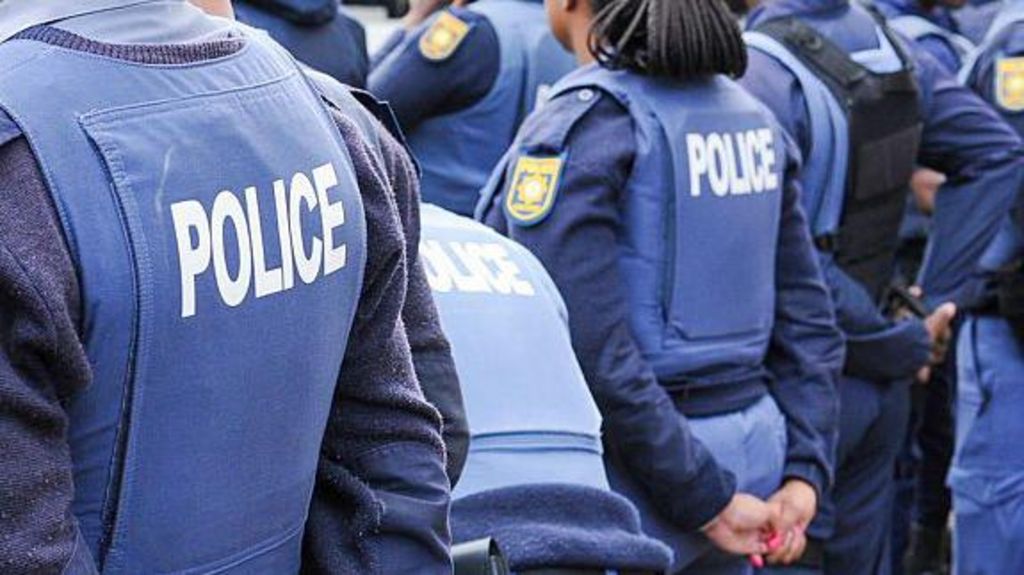
On Tuesday, South African police confirmed the deaths of two Mozambican citizens killed over the weekend in Mossel Bay, opening a formal homicide investigation that has deepened a public dispute with Maputo over rising xenophobic violence in the country. The two victims, aged 27 and 43, were killed on Saturday, just one day after a separate outbreak of unrest in the Western Cape province.
In an official statement, Mozambique’s government has alleged that five of its nationals were killed in targeted xenophobic attacks, with an additional 800 Mozambican citizens victimized during violent unrest that broke out on Friday in the KwaNonqaba settlement. Following the violence, 300 Mozambicans crossed the border back to their home country on Saturday, with another 500 expected to follow in the coming days. Tragically, two people died in a road accident during this mass evacuation. South African law enforcement has not confirmed any xenophobic motive for the two confirmed deaths, saying the investigation is still ongoing, and noted that they released the updated details to “set the record straight” amid conflicting public claims.
The violence comes amid a months-long surge in anti-foreigner sentiment across South Africa, driven by grassroots protests demanding stricter immigration enforcement. Demonstrators, led by advocacy group March and March, argue that undocumented migrants strain public services and contribute to rising crime rates. The group has issued an unofficial deadline for all undocumented immigrants to leave the country by 30 June, with protests ramping up ahead of local elections scheduled for later this year.
The Friday unrest in KwaNonqaba saw widespread arson that left more than 50 informal shacks destroyed. Police have arrested five people in connection with that arson attack. In a separate, unrelated incident, an 18-year-old South African man was stabbed to death during an apparent botched robbery early Sunday, with no arrests made in that case as of Tuesday.
Officially, South Africa is home to more than 3 million documented foreign nationals, making up roughly 5% of the country’s total population. Government figures do not account for the estimated millions more who reside in the country without formal documentation. Xenophobic violence has been a persistent systemic issue in South Africa for decades, with periodic deadly outbreaks targeting foreign communities.
In response to the rising unrest, multiple neighboring and African nations have issued travel warnings advising their citizens in South Africa to exercise heightened caution. Countries including Kenya, Malawi, Lesotho, and Zimbabwe have all issued public alerts. Earlier this year, Ghana completed an evacuation of hundreds of its citizens from South Africa citing growing safety risks. While South Africa’s national government has formally condemned criminal acts directed at foreign nationals, police have stopped short of confirming that recent violence constitutes organized xenophobic attacks.