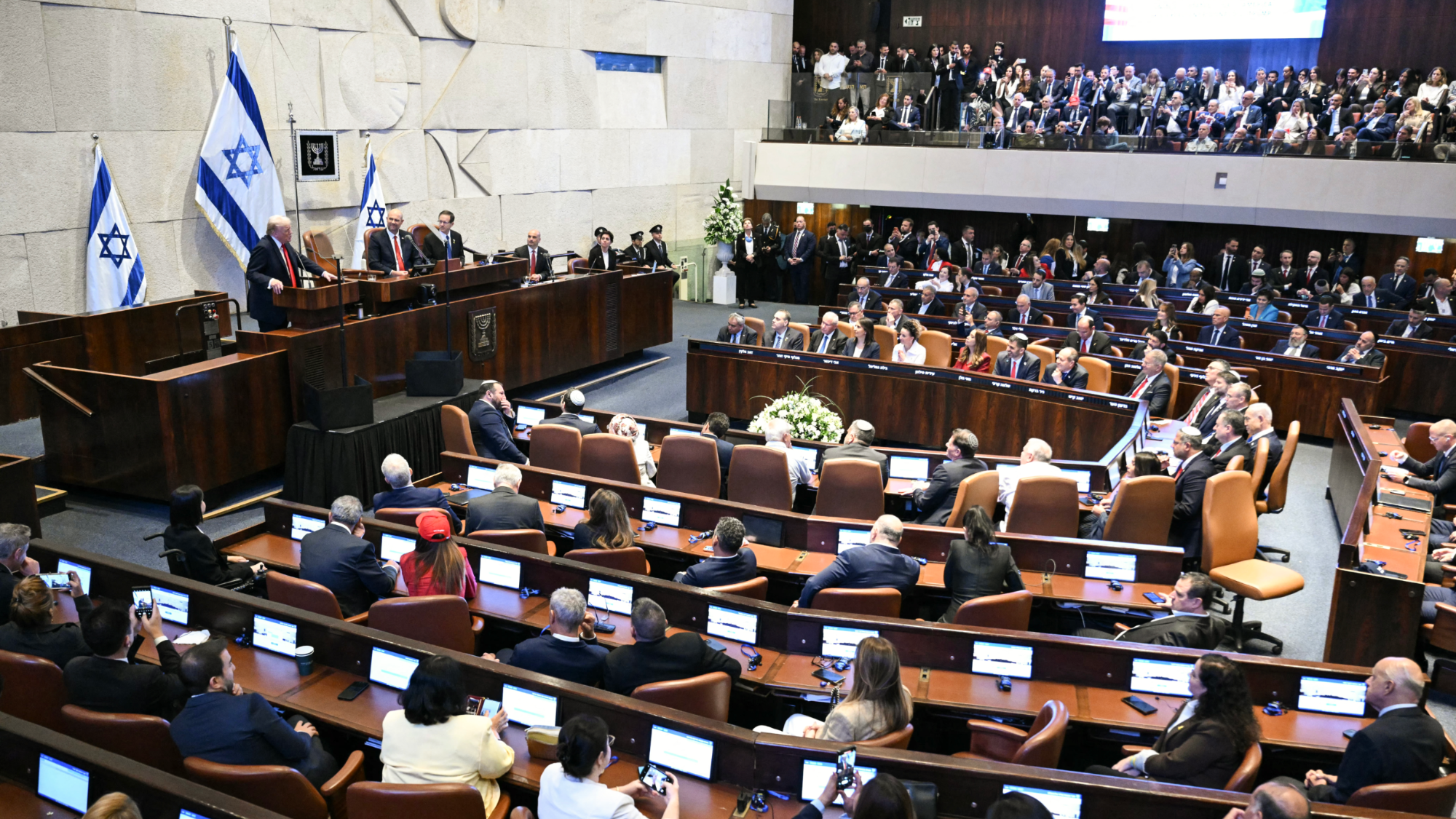
Israel’s political landscape has been thrown into fresh turmoil after the country’s parliament, the Knesset, took a major step toward self-dissolution that would bring national elections as early as September, months ahead of the originally scheduled October 27 vote. The bill, put forward by Prime Minister Benjamin Netanyahu’s ruling coalition, passed its first reading late Monday in a landslide vote: 106 lawmakers backed the proposal, with no objections registered from the floor.
The push to dissolve the sitting parliament came directly from ultra-Orthodox political factions that form part of Netanyahu’s governing alliance. United Torah Judaism, a bloc made up of two separate ultra-Orthodox parties, received orders from Dov Lando, spiritual leader of the faction Degel HaTorah, to move forward with dissolving the Knesset. Lando’s directive stemmed from deep and growing anger among ultra-Orthodox communities over the coalition’s failure to pass a sweeping law that would maintain draft exemptions for ultra-Orthodox young men, a longstanding privilege the community has defended fiercely.
The debate over ultra-Orthodox military conscription has escalated to a breaking point against the backdrop of Israel’s ongoing military campaign in Gaza and heightened tensions along borders with Iran and Lebanon. For decades following Israel’s founding in 1948, ultra-Orthodox men have almost universally been exempted from mandatory military service. But senior Israeli military leaders have warned repeatedly that continuing the full exemption amid ongoing high-intensity conflicts would severely undermine the Israel Defense Forces’ operational capacity, creating a critical manpower gap at a time of heightened national security risk.
If the bill completes its legislative process — which requires two additional parliamentary readings before final approval — elections could be held anywhere between September 8 and October 20, adjusting the previously fixed date of October 27. Factional disputes have already emerged over the ideal election date within the ultra-Orthodox community: United Torah Judaism is pushing for a September 1 vote, while Shas, the second ultra-Orthodox party in Netanyahu’s coalition, has requested September 15.
Israel’s Central Elections Committee has already flagged logistical challenges for a September 15 vote, noting that the date falls during a stretch of back-to-back Jewish religious holidays. A vote on this date would force a one-day delay in both vote counting and the publication of official results, the committee warned. The election oversight body has itself become a flashpoint for political tension in recent months. Orly Adas, the committee’s long-serving former director, stepped down in May, explaining her resignation was an effort to prevent partisan efforts to undermine the committee’s independent authority.
Supreme Court President Yitzhak Amit echoed these concerns in remarks delivered Monday, issuing a stark warning against any attempts to cast doubt on or tamper with election outcomes. “If anything can be faked, why believe anything at all?” Amit asked, adding that the spread of baseless claims of electoral fraud poses “a threat to the very existence of the electoral process and to the functioning of the democratic system.”
For Netanyahu, the coming election comes at a time of steep political decline in public opinion polling. A recent poll published by Ma’ariv Friday projected that Netanyahu’s current ruling coalition would only secure up to 52 seats in the 120-seat Knesset, far short of the 61-seat majority required to form a new government. Last week, Channel 13 News reported that Netanyahu is weighing a controversial move to ban the United Arab List (Ra’am), an Arab-Israeli political party, from participating in the upcoming vote, with plans to designate the faction as a terrorist organization. Political analysts broadly view the proposed ban as a strategic maneuver to block opposition parties from forming a governing coalition: Arab-Israeli parties including Ra’am could hold the decisive swing seats that allow opposition blocs to build a majority, giving them outsized influence over who becomes Israel’s next prime minister.