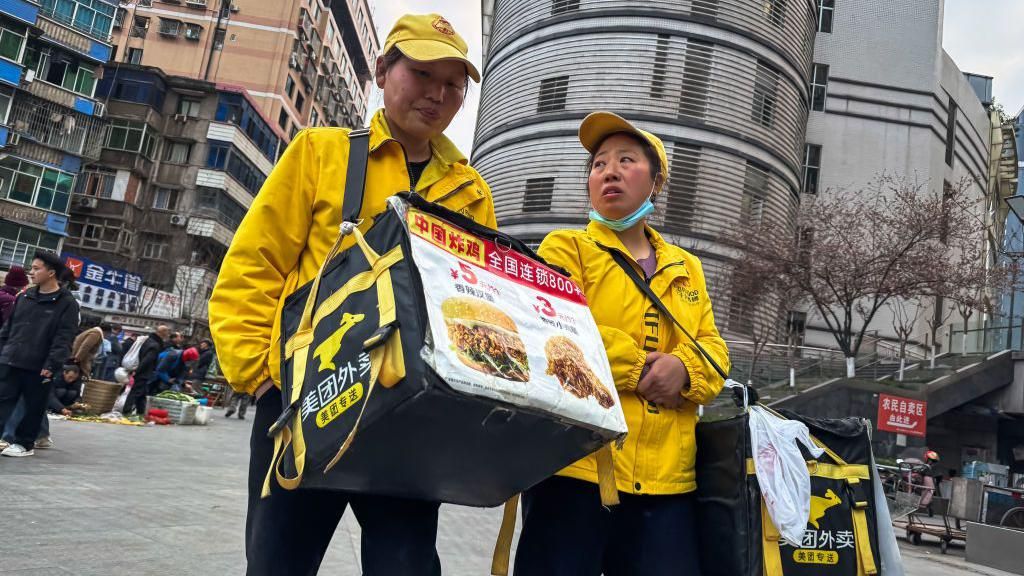
China has rolled out new regulatory measures targeting unlicensed “ghost kitchens” — unregulated takeaway-only operations that lack physical storefronts — following a high-profile food safety scandal that exposed widespread industry misconduct. The new rules, which entered into force on Monday, require all food delivery platforms to verify that every listed merchant matches a registered physical operating location, and mandate vendors to clearly disclose if they do not offer on-site dine-in services.
The crackdown traces its origins back to a consumer complaint filed in Beijing last year. A local customer received a poorly made cake decorated with non-edible flowers from an online merchant, prompting an official investigation that uncovered a large-scale illegal operation. Officials discovered the cake chain listed nearly 380 store locations across major Chinese delivery platforms, but operated zero physical outlets, and used falsified business licenses to pass platform reviews. Further probes found the chain outsourced all orders to a third-party order-matching platform that awarded jobs to the lowest-bidding unvetted vendors, with more than 3.6 million cake orders processed across two matching platforms.
A subsequent national inspection uncovered 67,000 unregistered ghost shops across seven of China’s largest food delivery platforms. State news agency Xinhua reported that these illegal operations and third-party intermediaries had formed a collusive illegal supply chain, with major delivery platforms turning a blind eye to violations to retain market share. One unnamed platform employee admitted to regulators that overly strict merchant reviews would push business to competing platforms, highlighting the cut-throat competition that has long defined China’s food delivery sector.
The hyper-competitive market has already drawn regulatory scrutiny in recent years. A destructive price war between major platforms in 2024 prompted government warnings over the “race to the bottom” that not only compromised food safety, but also pushed delivery riders to accept extremely tight delivery deadlines for meager pay. In April 2025, China’s State Administration for Market Regulation imposed a total 3.6 billion yuan ($530 million) fine on seven leading e-commerce platforms including Taobao, JD.com, Meituan and Pinduoduo, with most penalties tied to illegal ghost kitchen operations.
As the nationwide crackdown intensifies, regulators and industry players have rolled out new targeted measures to improve transparency. In the eastern city of Hangzhou, more than 20 registered takeaway vendors have installed live-streaming “transparent kitchen” systems that allow customers to watch food preparation in real time. In neighboring Anhui province, authorities have partnered with major platforms including Meituan, Taobao and JD.com on a new enforcement agreement that uses artificial intelligence to monitor kitchen operations, and offers financial rewards to delivery riders who report unlicensed ghost kitchens.
This latest regulatory push marks the most comprehensive effort to date to clean up China’s $100-billion-plus food delivery sector, addressing longstanding consumer concerns over unregulated food preparation and unsafe operating practices.