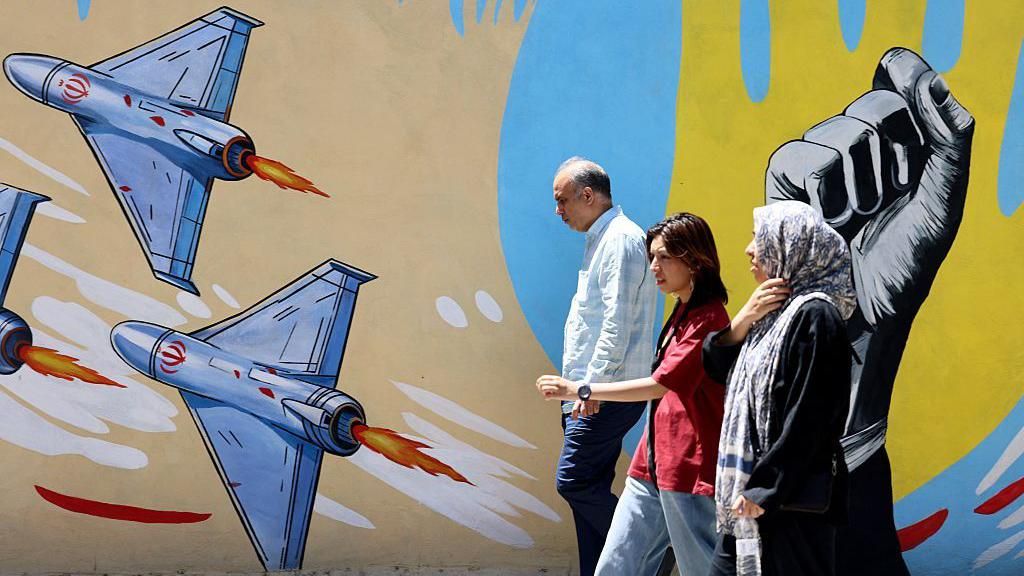
Indirect diplomatic negotiations between the United States and Iran are still ongoing, mediated by Qatar and Pakistan, but Tehran has made no secret of its refusal to compromise on core demands, leaving the fragile April 8 ceasefire hanging in the balance. Neither Washington nor Tehran has walked away from the negotiating table despite persistent low-level military exchanges, but the gap between their competing positions remains wide, with major global consequences at stake.
The United States maintains a robust naval and air presence positioned within striking distance of Iranian territory, a deliberate show of force designed to ramp up pressure on Tehran to make key concessions. Analysts widely agree that Iran’s military command has kept its forces on heightened alert, using the lull in active fighting to restructure units, repair infrastructure damaged in earlier US and Israeli strikes, and shore up defensive positions. The ongoing low-grade tensions across the Gulf region create a persistent high risk of dangerous miscalculation or miscommunication that could spiral back into full-scale open conflict.
For Washington, the strategy of military pressure is intended to force Tehran to move toward compromise, while Iran has made equally clear that its resolve to resist remains unbroken. Tehran has warned that if pushed too far, it will target US military bases across the Middle East and critical energy infrastructure across the Arab Gulf states.
The immediate, near-term priority for any breakthrough is extending the existing ceasefire and locking in a preliminary memorandum of understanding to set the agenda for future, broader negotiations. Even this limited milestone has proven elusive. Iran has linked the reopening of the Strait of Hormuz — a critical global chokepoint closed by Tehran since a US-Israeli attack on February 28 — to major concessions from the West, most notably relief from crippling economic sanctions and the unfreezing of billions of dollars in Iranian assets held abroad. Currently, only a tiny fraction of the usual shipping traffic is able to pass through the waterway, which normally handles roughly a fifth of the world’s daily oil and gas supplies.
While Saudi Arabia has rerouted some crude exports to Red Sea shipping terminals and the United Arab Emirates can move oil via a pipeline to Gulf of Oman terminals outside the strait, the global economy still faces a 20% cut in traditional energy supplies from the region. Even though the United States no longer relies on Gulf oil imports, domestic US petrol prices remain tied to global market dynamics, meaning the closure is already hitting American consumers at the pump.
The standoff has left US President Donald Trump in a politically precarious position. Trump joined Israeli Prime Minister Benjamin Netanyahu in launching the current war, based on a flawed assumption that overwhelming air power would quickly topple Iran’s Islamic regime. The pair badly underestimated Tehran’s deep-rooted capacity to resist and absorb attacks, leaving the administration stuck with an unpopular war with no clear exit strategy. Re-escalating open conflict would only deepen public opposition to the war ahead of upcoming political deadlines, but the concessions Iran demands to reopen the strait face fierce pushback from hardline hawks in Trump’s own Republican Party.
Compounding this political bind is Trump’s long-standing opposition to the 2015 Iran nuclear deal negotiated by the Obama administration, which he withdrew from during his first term. Trump has repeatedly rejected any comparison between a potential new Iran agreement, even a limited ceasefire extension, to the Obama-era deal, limiting his room to compromise. Iran’s leadership, for its part, views the conflict as an existential fight for the survival of its regime, and analysts agree that additional US or Israeli strikes are unlikely to force a change in its core positions.
Across the wealthy Gulf Arab states, the conflict has already caused lasting economic damage that will take years to repair. These nations built their long-term development models on positioning the Gulf as a stable, secure hub for global commerce and foreign investment, a reputation that has been severely undermined by the outbreak of war. Qatar has taken an active role as a mediator alongside Pakistan, while other Gulf states have taken differing approaches to the crisis. The UAE has deepened its strategic partnership with Israel, which has deployed Iron Dome air defense systems and Israeli military personnel to Emirati territory. Saudi Arabia launched strikes against Iran in retaliation for earlier Iranian attacks, but senior Saudi officials have privately emphasized to Tehran that its actions were independent, not part of the US-Israeli coalition.
When Trump and Netanyahu launched their campaign to overthrow the Islamic regime, they bet that massive air power would be enough to achieve their goal in short order. That prediction has proven to be a catastrophic miscalculation. Forty-six years after its founding, the Iranian regime has already survived decades of war, sanctions, and international isolation, and it has shown no sign of collapsing under current pressure. Today, the consequences of that failed gamble are being felt not just by the US, Israel, and Iran — but by the entire global economy.