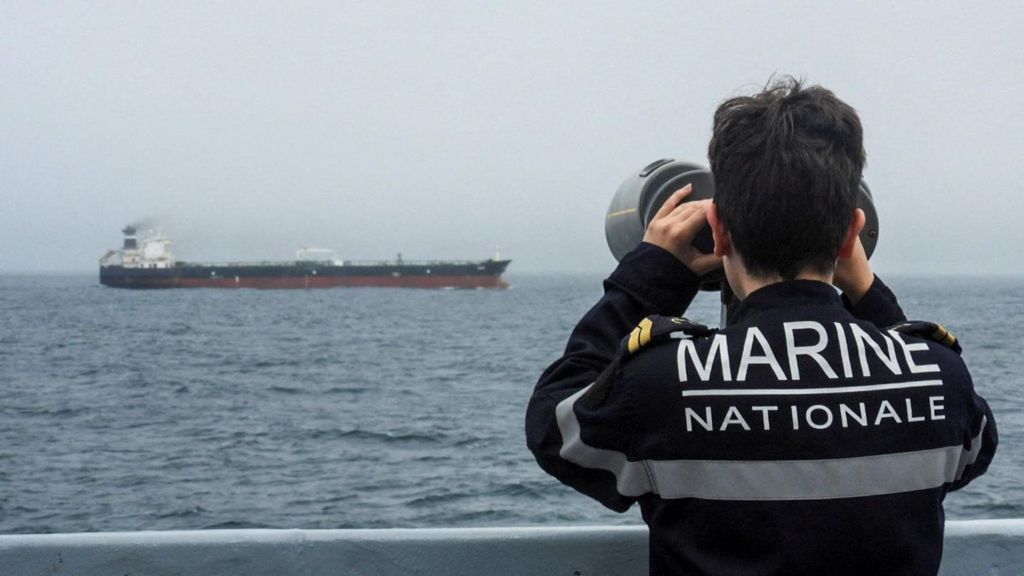
A high-seas interdiction of a sanctioned Russian oil tanker carried out by French naval forces in the Atlantic Ocean on Sunday has triggered a sharp diplomatic dispute between Paris and Moscow, with top officials on both sides trading starkly opposing claims over the legality of the operation. Backed by allied partners including the United Kingdom, the French navy intercepted the tanker *Tagor* approximately 400 nautical miles off the western coast of Brittany in international waters. According to French President Emmanuel Macron, the vessel was found to be flying a false flag to conceal its identity and origins when it was detained.
In a public post on social platform X, Macron emphasized that the action was fully justified. He argued that the deliberate circumvention of international sanctions, violation of established maritime law, and connection to funding Russia’s ongoing military campaign in Ukraine—now entering its fifth year—are completely unacceptable. Macron further stressed that the entire interception was conducted in full adherence to the United Nations Convention on the Law of the Sea, adding that unregulated shadow fleet tankers that disregard basic navigation rules also create severe environmental and public safety hazards for all maritime traffic. Footage released by the French presidency shows armed French naval personnel boarding the tanker via helicopter, though the BBC has not yet independently confirmed the authenticity of the video.
The Kremlin has responded with fierce condemnation of the seizure, labeling the operation an “illegal” act that amounts to international piracy. Kremlin spokesperson Dmitry Peskov told reporters that Russia is already implementing active countermeasures to protect the security of its maritime cargo shipments.
The interception of the *Tagor* marks the fourth time since September 2025 that French authorities have boarded a suspected Russian shadow fleet tanker. Previously, Paris opted to allow detained vessels to resume their journeys after owners paid administrative fines, but French officials have recently toughened their stance, vowing to block any future transits by sanctioned ships.
The UK, another key Western ally in enforcing sanctions on Russian oil, has adopted a similar approach. In March, British Prime Minister Keir Starmer authorized the UK military to board sanctioned Russian shadow fleet tankers. However, an independent analysis conducted by BBC Verify has found that nearly 200 vessels linked to Russia’s shadow fleet have entered UK territorial waters since Starmer first announced the interception policy in mid-March. The UK Ministry of Defence has only stated that it is engaged in “disrupting and deterring” unauthorized shadow fleet traffic, declining to release specific operational data to back up its claims.
Russia’s extensive network of shadow fleet tankers, characterized by hidden ownership structures and deliberate obfuscation of shipping routes, was developed after Western nations imposed sweeping sanctions on Russian crude and product exports following Moscow’s full-scale invasion of Ukraine in 2022. The network allows Russia to continue selling oil to global buyers in violation of international sanctions, generating billions in revenue that the Kremlin has used to fund its war effort.