Australia’s industrial relations regulator, the Fair Work Commission (FWC), is facing an unprecedented operational crisis driven by a sudden surge in unfair dismissal claims, a surge that senior leaders have directly linked to the rising accessibility of generative artificial intelligence tools for everyday applicants.
Projections indicate the FWC will see a roughly 70% jump in total claims by the end of the current financial year compared to 2023 levels. By the end of April alone, the body had already received 44,039 dismissal-related applications, a figure that puts the commission just shy of its all-time full-year record set in the 2024-25 reporting period.
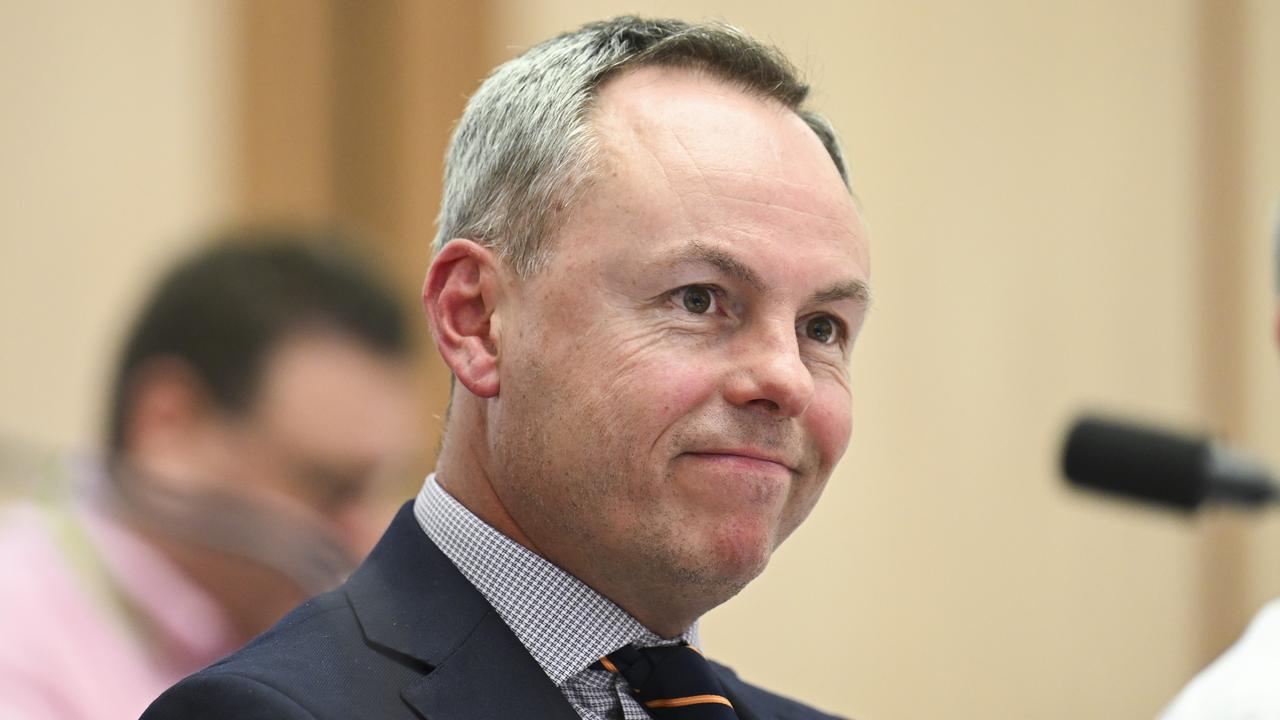
FWC General Manager Murray Furlong told reporters the surge aligns with three overlapping challenges: a growing number of applicants representing themselves in claims, persistent resourcing and budget constraints, and the rapid proliferation of generative AI tools that lower the barrier to submitting claims.
FWC President Adam Hatcher first raised the alarm over the unmanageable growth of unfair dismissal claims, warning that the current volume of demand is unsustainable under the regulator’s existing funding and operational structure. The backlog, Hatcher noted, already risks undermining the FWC’s ability to prioritize high-impact public interest work, including enterprise bargaining negotiations and mediation for large-scale industrial disputes.
Historically, Hatcher explained, the number of dismissal claims filed with the FWC closely tracked overall conditions in the Australian labor market, rising during economic downturns and falling when employment conditions strengthened. But this long-standing correlation has completely broken down in recent years, a shift that coincided almost exactly with the mainstream adoption of consumer-facing generative AI tools.
A recent internal review of incoming dismissal cases confirmed that a growing share of applicants have little to no formal experience with Australian workplace relations law, and most rely on AI-generated content to draft and file their claims. Furlong added that the unrelenting flow of new claims has stretched every part of the FWC’s operations, with no sign of the surge slowing in the coming months. “This is unsustainable and we cannot continue to operate in the same way,” he said.
To address the mounting pressure, the FWC will roll out a series of sweeping structural and operational reforms. The centerpiece of the changes is the introduction of AI-powered application forms and an AI-assisted triage helpline designed to streamline intake and direct inquiries outside the FWC’s jurisdiction to the appropriate bodies, cutting down on administrative strain for staff.
The regulator also plans to cut operational costs by reducing its total office space and co-locating with other Australian government agencies in two key locations: Melbourne, where the FWC’s current lease is the organization’s largest single financial commitment, and Canberra. Both leases are set to expire within the next three years, creating a natural window to restructure the FWC’s physical footprint. Furlong noted that the FWC already successfully co-locates with other agencies in regional and suburban locations across the country, so the shift will align with existing operational practices.
Senior leaders have warned regular FWC users to prepare for significant changes to how they interact with commission services, as the organization adapts to the new AI-shaped landscape of employment dispute resolution.