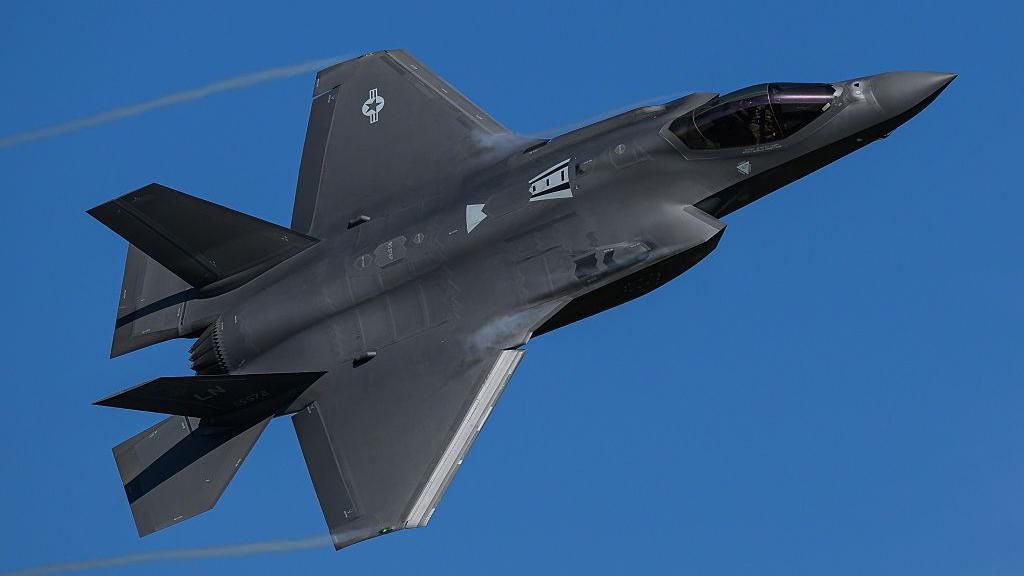
Tensions in the Middle East have reignited after the United States military confirmed it carried out fresh offensive strikes against targets in southern Iran, with operations focused on Iranian missile installations and small craft suspected of attempting to deploy naval mines.
In an official statement released by US Central Command, the military framed the new strikes as a necessary act of self-defense, asserting the operations were intended to shield American service members from emergent threats posed by Iranian military assets. Central Command spokesperson Captain Tim Hawkins emphasized that the US military remains committed to protecting its personnel while upholding a stance of restraint amid the currently active ceasefire between the two nations.
According to reporting from The New York Times, the targeted strike zone sits in the vicinity of Bandar Abbas, a strategic southern Iranian port city that hosts a major Iranian naval base and overlooks the Strait of Hormuz, one of the world’s most critical chokepoints for global energy shipping. Iranian state media had already reported local authorities in Bandar Abbas were responding to reports of loud explosions across the area shortly before the US confirmation.
As of this report, Iranian officials have not issued an official response to the latest US strikes, and experts remain divided over what impact the new military action will have on ongoing diplomatic negotiations aimed at securing a lasting peace deal between Washington and Tehran.
The strikes come at a pivotal moment for diplomatic efforts: Iranian foreign ministry spokesperson Esmail Baqai recently acknowledged that incremental progress has been made during closed-door talks with US negotiating teams, but he pushed back against growing speculation that a final agreement to end the months-long conflict is close at hand.
Just days earlier, former President Donald Trump had publicly hinted that a bilateral deal was within reach, only to reverse course moments later and say he had directed US negotiators to avoid rushing into a hasty agreement that did not serve US interests. US Secretary of State Marco Rubio also fueled optimism earlier this week by suggesting a finalized deal could be reached as early as Monday. But Baqai pushed back on that timeline, noting that while large sections of the negotiating text have been agreed upon, no party can responsibly claim that a final signing is imminent.
Despite official downplaying of an imminent breakthrough, Reuters confirmed that Iran’s top diplomatic negotiator and foreign minister traveled to Doha over the past week to hold discussions with Qatar’s prime minister about the framework for a potential US-Iran deal. Qatar has served as a key neutral mediator throughout the negotiations.
The current ceasefire between US and Iranian forces has been in effect since April 8. To date, Iran has retained its military controls over commercial shipping moving through the Gulf and the Strait of Hormuz, while the US Navy has enforced a naval blockade of major Iranian ports. The current conflict erupted in late February, when the US and Israel launched a broad campaign of airstrikes across Iranian territory. Iran responded with coordinated attacks on Israel and US-aligned Gulf states, and temporarily closed the Strait of Hormuz entirely—a move that sent global oil prices soaring and triggered widespread economic uncertainty across international energy markets.