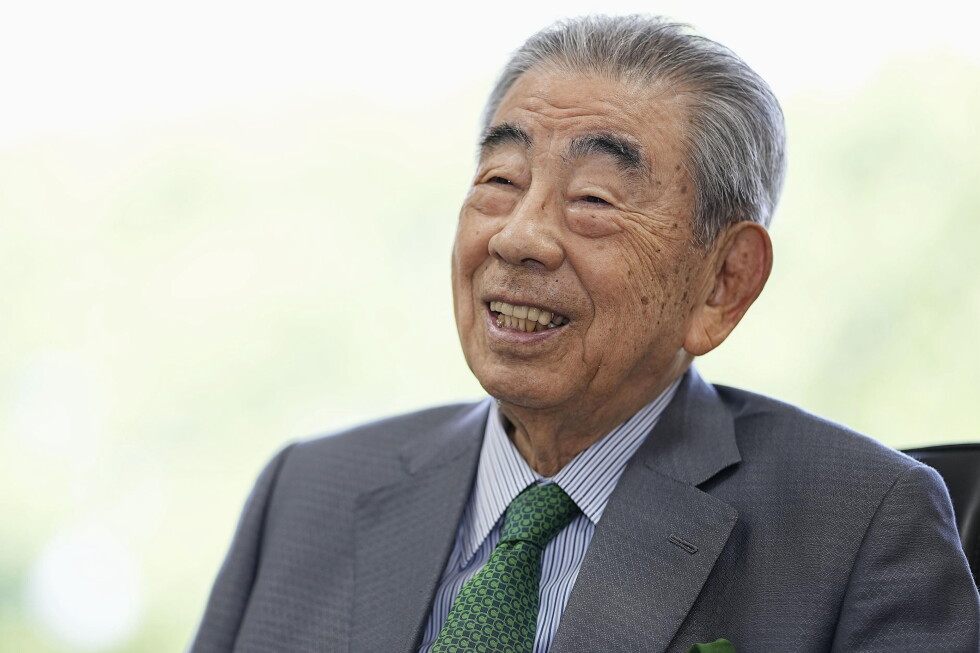
TOKYO – Toshifumi Suzuki, the iconic Japanese business leader who transformed a small licensed franchise into the world’s largest convenience store network, 7-Eleven, passed away at his Tokyo residence on May 18 at the age of 93. The cause of death was heart failure, according to an official announcement Monday from Seven & i Holdings, where Suzuki served as honorary adviser.
Born in 1932 in Japan’s northern Nagano Prefecture, Suzuki graduated from Tokyo’s prestigious Chuo University before launching his retail career at Ito-Yokado, a major Japanese department store chain now also held under the Seven & i Holdings umbrella. It was from this foundation that he would go on to revolutionize modern convenience retail.
In 1973, Suzuki secured a franchise licensing agreement with the U.S.-based original 7-Eleven brand, opening Japan’s first 7-Eleven location in 1974. What began as a single licensed outlet rapidly grew into a nationwide phenomenon, redefining daily life for Japanese consumers under Suzuki’s leadership. Today, 7-Eleven’s ubiquitous “conbini” outlets are woven into the fabric of Japanese society, offering far more than quick snacks and drinks. Shoppers can access ATMs, pay utility bills, print documents, and grab freshly prepared on-the-go meals, turning the small neighborhood stores into one-stop hubs for daily needs. The chain now counts more than 80,000 locations across the globe, retaining its position as Japan’s largest convenience store operator.
When the original 7-Eleven parent company, U.S.-based The Southland Corp., fell into severe financial trouble in the 1990s, Suzuki steered the Japanese subsidiary to acquire a controlling majority stake in the global brand. He completed the full acquisition in 2005, bringing the entire 7-Eleven network under full Japanese ownership and turning a local license into a global retail powerhouse.
Beyond building the 7-Eleven empire, Suzuki led Seven & i Holdings on a series of strategic expansions that diversified the group’s footprint. He oversaw the acquisition of Barney’s Japan in 2015, added full banking services to the group’s offerings, and integrated iconic Japanese department store chains Sogo and Seibu into the holding group. His core business philosophy centered on delivering a fully integrated lifestyle shopping experience tailored to evolving customer needs. He also spearheaded early adoption of cutting-edge retail technologies, cementing 7-Eleven’s reputation as an industry innovator that reshaped how Japanese consumers shop. Suzuki stepped into the chief executive role at 7-Eleven Japan in 1978, and remained a guiding force for the brand for decades.
In recent years, Seven & i Holdings drew global attention when Canadian retail giant Alimentation Couche-Tard, operator of the global Circle K convenience store chain, launched a takeover bid for the group. However, the company abandoned the acquisition attempt in 2024, citing a lack of productive negotiation progress from Seven & i’s side.
Per the company’s announcement, private funeral services have already been held for Suzuki with only immediate family in attendance. The family has politely declined condolence messages, floral arrangements, and other sympathy gifts. A public memorial service will be announced at a later date. Suzuki is survived by his wife and two children.