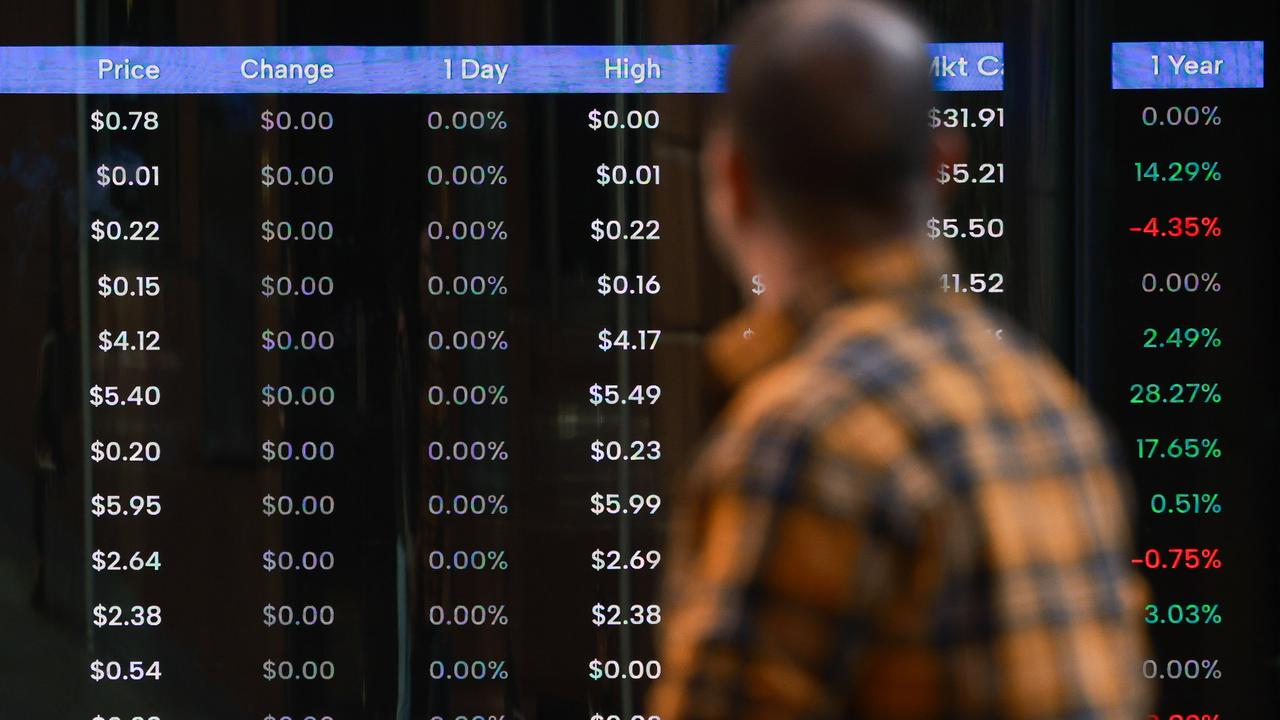
Australia’s benchmark stock index notched its strongest single-day gain in six weeks on Thursday, as a surprisingly sharp uptick in national unemployment fanned widespread investor expectations that the Reserve Bank of Australia will hold interest rates steady at its upcoming policy meeting. The uptick in joblessness, paired with a rebound on Wall Street that ended a three-day losing streak for US equities, created a bullish trading environment across most of the Australian sharemarket.
New official data released this week showed Australia’s unemployment rate climbed 0.2 percentage points to 4.5% in April, outpacing analyst forecasts for a much smaller increase. The report also recorded an unexpected drop of 18,600 jobs across the economy, versus consensus predictions of a 15,000 job gain. For investors, this cooling labor market readout signals the RBA is unlikely to push through additional interest rate hikes in 2024, a shift that is particularly beneficial for the Australian market’s heavy weighting of rate-sensitive sectors: financial services, real estate, and consumer discretionary stocks.
“While a slowing jobs market is unwelcome news for job seekers, it removes a key catalyst for further aggressive monetary tightening from the RBA, which acts as a tailwind for the ASX200,” explained Tony Sycamore, a market analyst with online trading platform IG. By the closing bell on Thursday, the ASX 200 had jumped 1.47% to settle at 8621.7, marking its largest daily increase since early April. The broader All Ordinaries index followed suit, climbing 1.4% for the session, with eight out of 11 tracked market sectors ending the day in positive territory.
Global market moves also supported the local rally: Japan’s Nikkei 225 surged 3.1% overnight, oil prices recovered some losses from the prior session’s sell-off, and gold prices edged higher. The mixed economic data did push the Australian dollar lower, a shift that supports export-focused domestic sectors.
Mining stocks led Thursday’s gains as a group, posting a 2.6% sector-wide increase. Building materials giant James Hardie rose 5.4% even after analysts at Macquarie and Morgans adjusted their price targets downward, with both revised targets still sitting well above the stock’s closing price of $27.99. Evolution Mining climbed 3.8%, Rio Tinto gained 3.2%, and lithium developer Liontown Resources spiked 4.2%. The only major downside move in the mining space came from gold producer Northern Star Resources, which fell 2.1% following the announcement that its long-serving managing director would step down after 13 years at the helm.
The day also marked a milestone for Australian retail, as jewellery and body piercing retailer Skinkandy made its debut on the ASX, closing its first trading session up 6.8% from its initial public offering price. Samy Sriram, an analyst with investment platform Stake, noted that the Skinkandy IPO marks a break from the recent trend of Australian public listings being dominated by mining and materials companies.
“With the recent listing of lifestyle brand Koala and now Skinkandy, we may be seeing a wave of more diversified companies choosing to go public on the Australian exchange,” Sriram said. “The IPO offers investors exposure to a high-growth retail concept, and its 27% EBITDA margin is particularly strong for a service-led retailer. If the company can maintain that margin as it expands internationally, its current valuation becomes much easier to justify. Early trading momentum suggests investors are willing to give the management team the benefit of the doubt for now.”
Real estate stocks also rallied on the prospect of steady interest rates, with retirement village operators Gemlife Communities climbing 4% and Lifestyle Communities gaining 2.7%. Major industrial and retail property groups including Goodman Group, Vicinity Centres, Stockland, Charter Hall, and Mirvac all notched gains of more than 2% each. Buy now, pay later provider Zip Co added 2.7% after the company announced it had secured permanent rights to the Zip brand following a recent legal dispute.