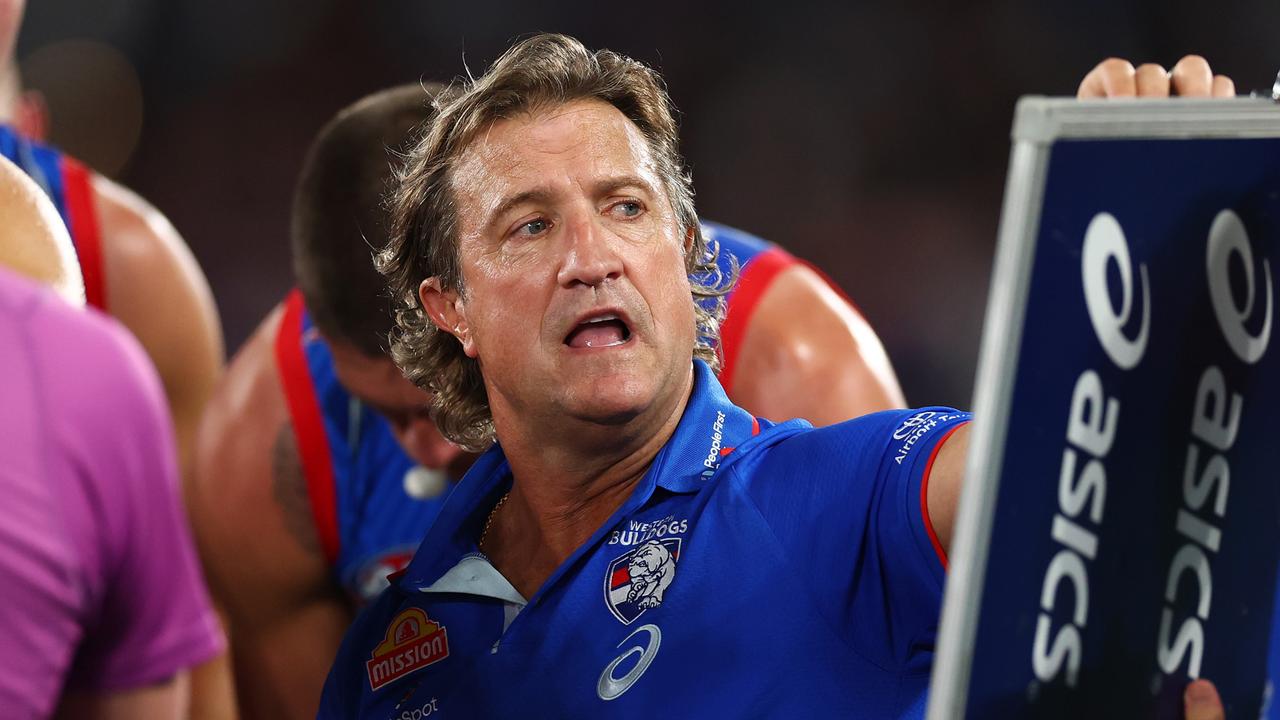
With the AFL mid-season draft just around the corner, Western Bulldogs head coach Luke Beveridge has put forward a bold proposal aimed at easing the growing pressure of mounting injury lists across the league while opening up more opportunities for fringe players to earn their spot at the top level.
The long-serving coach has publicly called on league officials to revise current list rules, pushing for expanded squad sizes and more flexible promotion pathways that would allow clubs to address sudden and severe injury outbreaks that have derailed multiple teams’ 2024 campaigns. At the core of Beveridge’s idea is the creation of a formal extended supplementary list, a reserve pool of players that clubs hit hard by injury – such as this season’s crisis-hit Richmond Tigers – can draw from at any point when their senior list is depleted.
Beveridge argues that the current standard list size of 42 players, excluding category B development spots, is no longer sufficient to withstand the demands of a lengthening AFL season. With the introduction of the new Tasmania Devils expansion side, the league is set to add an additional round to the already packed 23-round regular season, plus retaining the existing pre-season fixture, putting even more physical strain on playing groups across the competition.
Beyond solving the immediate problem of crippling injury tolls, Beveridge says the expanded supplementary list system would also create greater incentive for undrafted players to continue developing their careers in state leagues, rather than walking away from the sport after being overlooked in the annual national draft.
“I understand we need key dates for drafts to allow clubs to prepare, plan and strategise in a sophisticated way to build their lists, but I also believe we need far more fluidity when it comes to bringing players onto an AFL list to get them on the field when injuries hit,” Beveridge said in comments this week. “Richmond is the perfect example right now of a club that would benefit from having a supplementary list to draw from as their injury crisis worsens. With 23 regular rounds, pre-season games still on the calendar, and an extra round coming when Tasmania joins the league, 42 players just isn’t enough, in my view.”
Beveridge expanded on his proposal, suggesting that the supplementary list should be structured to match the 48-player squad size approved for the new Tasmanian Devils franchise, with a dedicated 4 to 6 additional supplementary spots available for all clubs. He added that clubs facing extreme injury strain, like Richmond this year, should even be allowed to expand that supplementary pool further if needed. While he acknowledges that key details – including rules around player retention at the end of the season and which players qualify to move off the primary list – still need to be thrashed out with league bosses, Beveridge stressed the change is a necessary adaptation for the modern game.
“This is something we need to implement for the future, looking at the list structure that’s already been approved for Tasmania. Every AFL club should have the same flexibility to access a similar system when they’re dealing with a devastating injury toll,” he added.
The Western Bulldogs themselves have been forced to navigate their own significant injury crisis earlier this season, losing a string of key senior players in quick succession, with young star Sam Darcy headlining the club’s injury list. The good news for Beveridge and Bulldogs fans, however, is that the club is finally starting to get key players back fit and available for selection.
James O’Donnell is set to be available for selection this weekend, while key trio Tim English, Cody Weightman are on track to return to the line-up in the coming weeks. “We’re expecting James O’Donnell to be available this week. Tim is still probably another week away – we’re just being conservative with him, so he’s unlikely to play this round,” Beveridge confirmed. “Cody is a good chance to return next week. We’re expecting a handful of changes, but James is the main inclusion this week. We’ve always been a very cautious group when it comes to head injuries, so we’re just making absolutely sure Tim is fully fit and ready to go before we bring him back.”