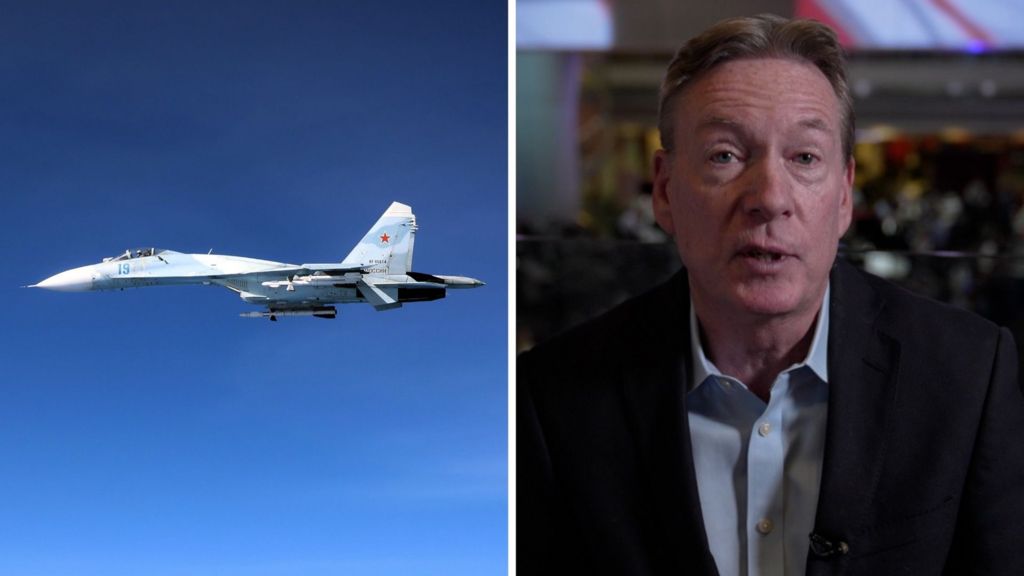
A recent encounter between Russian fighter jets and a British Royal Air Force surveillance plane has escalated into what analysts are calling a serious diplomatic and security incident, shining a harsh new spotlight on the already frayed relations between Moscow and the Western military alliance NATO. BBC security correspondent Frank Gardner, a veteran reporter with deep expertise in Middle Eastern and European security affairs, has broken down how this intercept underscores the growing volatility between Russia and the transatlantic bloc.
While routine interceptions of military aircraft are not uncommon in international airspace near NATO and Russian borders, the parameters of this specific encounter have elevated it beyond standard protocol to an event that raises alarms about miscalculation and accidental escalation. Gardner’s analysis emphasizes that the incident is not an isolated event, but rather the latest in a steady pattern of increased military posturing and close encounters between Russian and NATO forces that have built up over recent years.
Tensions between Russia and NATO have remained at post-Cold War highs since 2014, when Russia annexed Crimea from Ukraine, and surged to unprecedented levels following Moscow’s full-scale invasion of Ukraine in 2022. Since that invasion, NATO has bolstered its eastern flank with additional troops, increased air patrols and maritime surveillance operations in regions bordering Russia, leading to a corresponding uptick in Russian interceptions of NATO aircraft. Each close encounter carries inherent risk: a misread maneuver, a miscommunication, or an accidental weapons discharge could quickly spiral into a full-blown conflict between the world’s largest nuclear powers, making even minor incidents a cause for grave international concern.
Gardner’s reporting frames this latest intercept as a clear indicator that neither side is backing down from its military posture, and that the risk of unintended conflict remains higher than it has been in decades. For Western security officials, the incident serves as a reminder of the need for maintained communication channels to de-escalate tense encounters, even as diplomatic relations between Russia and NATO remain all but frozen.