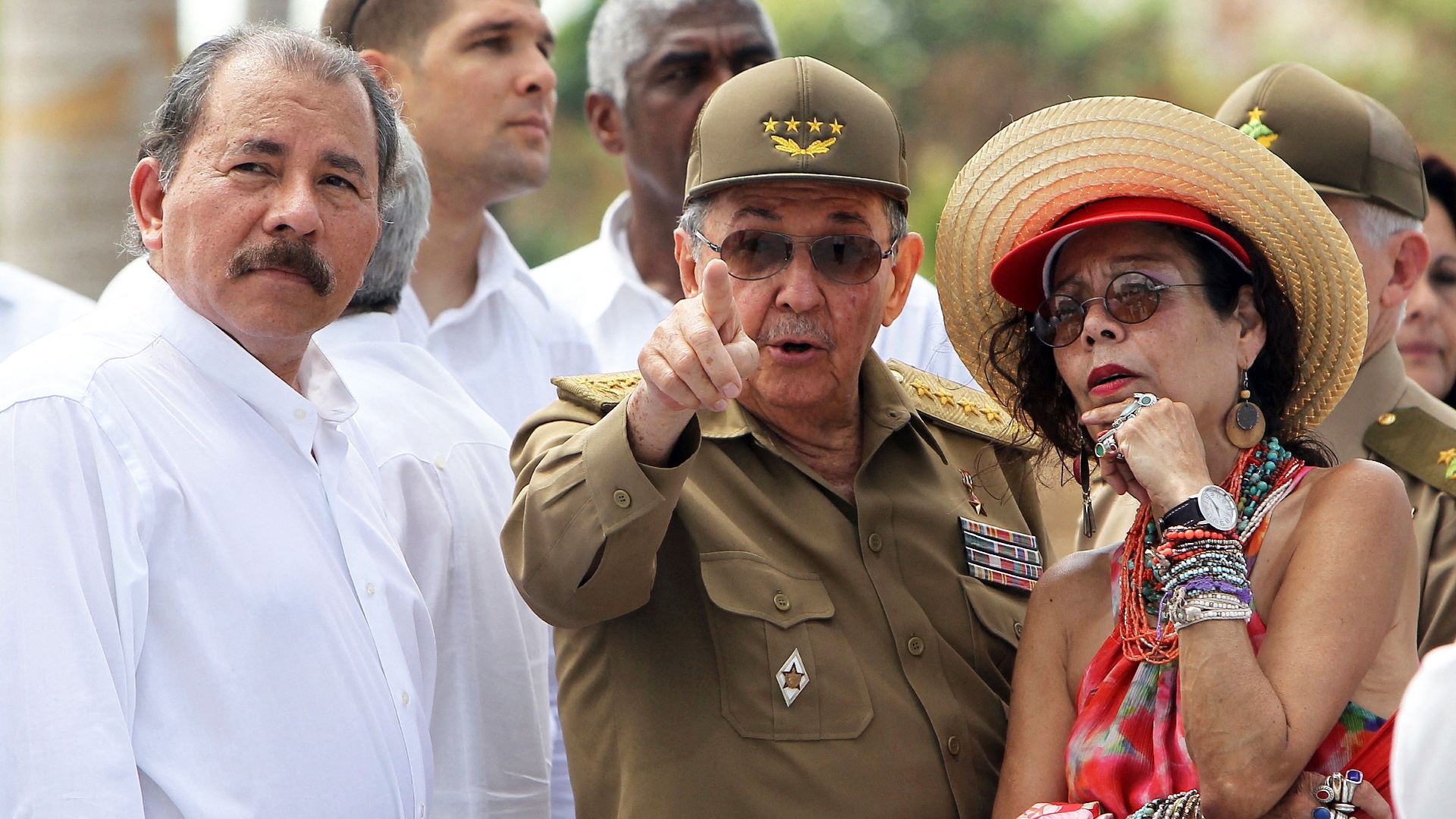
In a sharp escalation of long-running U.S. pressure on Cuba, the Trump administration has unsealed a sweeping criminal indictment against 94-year-old former Cuban President Raúl Castro, levying charges of conspiracy to murder U.S. citizens, aircraft destruction, and four counts of homicide stemming from the 1996 Cuban air force shootdown of two civilian aircraft operated by a U.S.-based anti-Castro aid group. The indictment also names five additional Cuban defendants: Lorenzo Alberto Perez-Perez, Emilio Jose Palacio Blanco, Jose Fidel Gual Barzaga, Raul Simanca Cardenas, and Luis Raul Gonzalez-Pardo Rodriguez.
The legal action opens the door for potential U.S. efforts to extradite or forcibly bring Castro to American soil for trial, with senior officials hinting at the same type of extraordinary law enforcement operation that the Trump administration deployed to seize former Venezuelan President Nicolas Maduro in January 2026. President Trump has repeatedly touted that 2026 capture mission as a landmark political win for his administration, even as independent legal experts have widely questioned the operation’s compliance with international law. Trump has also openly acknowledged that the successful extraction of Maduro gave him the confidence to launch the joint U.S.-Israeli military campaign against Iran that began February 28.
Speaking at a Wednesday press briefing in Miami, Florida — a hub for the Cuban exile community — acting U.S. Attorney General Todd Blanche, who previously served as Trump’s personal defense lawyer, rejected claims that the indictment is a hollow political stunt. “We indict men outside of this country all the time, and there are all kinds of different ways that we get them here,” Blanche told reporters. “The reason why we indict somebody is because we want them here to face justice with a jury of their peers. How we go about doing that obviously depends on the circumstances in the case, and I’m not going to go beyond that, but… this isn’t a show indictment. This is an indictment because we expect that there is a warrant issued for his arrest, so that he will appear here by his own will, or by another way.” Blanche added a clear message of remembrance for the victims: “The United States and President Trump does not and will not forget its citizens.”
Cuban President Miguel Diaz-Canel immediately pushed back against the charges in a post on X, framing the indictment as evidence of U.S. hostility toward the Cuban Revolution. He called the action “a political maneuver, devoid of any legal foundation, aimed solely at padding the fabricated dossier they use to justify the folly of a military aggression.”
The indictment is the latest in a series of aggressive moves by the second Trump administration to force Cuba’s government into concessions, a priority shaped heavily by Secretary of State Marco Rubio, a long-time critic of the Cuban regime whose parents emigrated from the island. Just this week, Rubio announced a new round of economic sanctions on Havana, building on decades of U.S. trade and financial restrictions that have been in place since the 1960s. Those long-running sanctions have already gutted Cuba’s financial system and strained its already fragile energy infrastructure. In January 2026, Trump issued an executive order reclassifying Cuba as “an unusual and extraordinary threat” to U.S. national security, and imposed secondary tariffs on any third country that sells goods or oil to the island. The president has previously made blunt remarks about his ambitions for Cuba, saying “Whether I free it, take it, I think I can do anything I want with it… They’re a very weakened nation right now.”
The charges trace back to the February 24, 1996, incident that claimed four American lives. On that date, Cuban military jets intercepted and shot down two small Cessna aircraft owned by Brothers to the Rescue, a Miami-based organization founded by anti-Castro Cuban exiles that conducted search-and-rescue missions for Cubans attempting to flee the island by boat. The four men killed in the attack were Carlos Costa, Armando Alejandre, Jr, Mario de la Pena, and Pablo Morales.
The U.S. Department of Justice’s Wednesday statement claims that Cuban intelligence agents infiltrated Brothers to the Rescue years before the shootdown, and passed detailed intelligence on the group’s flight plans and operational schedules back to senior Cuban leadership, including Raúl Castro, who served as defense minister at the time of the incident. While successive U.S. administrations have consistently denied any official connection between the group and American intelligence agencies, the Cuban government has long maintained that Brothers to the Rescue’s core mission was to destabilize the communist regime.
If convicted on the conspiracy and murder charges, all defendants face a maximum possible sentence of either the death penalty or life imprisonment. Raúl Castro additionally faces up to five years of prison time for each count of aircraft destruction. Any final sentencing would be determined by a presiding U.S. judge, if the accused are ultimately brought into custody.