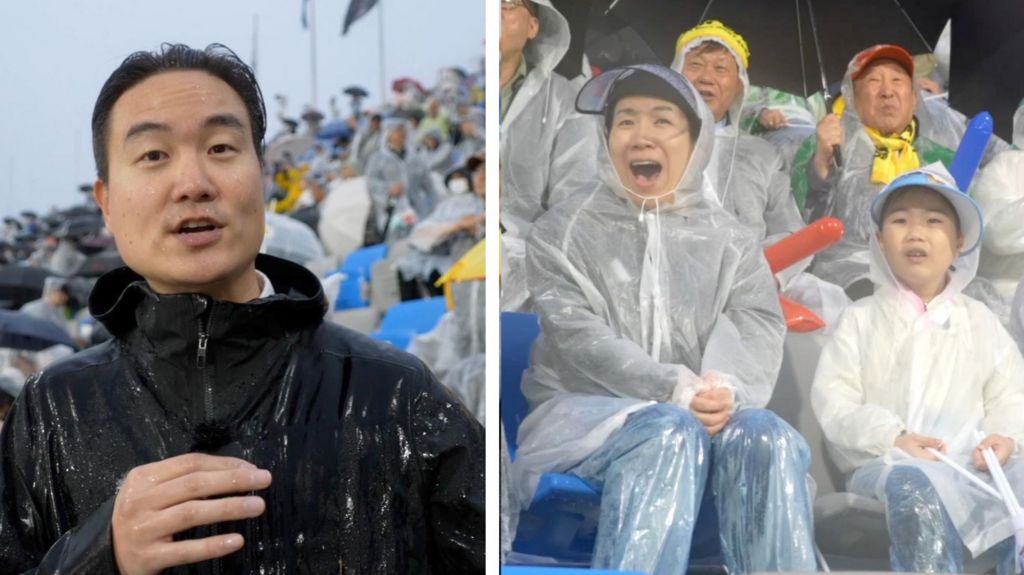
For nearly eight years, no official athletic delegation from North Korea has stepped across the heavily fortified inter-Korean border into South Korea. That long dry spell came to an end this week, when a North Korean women’s football team arrived in the South for competition, marking a small but symbolic breakthrough in a relationship that has remained locked in tension for most of the last decade.
The fixture, which would be an unremarkable routine event in most other parts of the world, carries extraordinary weight on the Korean Peninsula. Decades of diplomatic estrangement, military posturing, and stalled cross-border talks have left almost all people-to-people exchanges between the two nations frozen. Against this backdrop, the simple act of a North Korean sports team entering South Korea has led observers and analysts to question whether this small sporting encounter could open the door to wider rapprochement between the two governments.
Sports diplomacy has a long history of acting as a low-stakes confidence-building tool between nations with fraught political relationships. It creates space for informal interaction, builds familiarity between ordinary citizens on both sides, and can create momentum for higher-level political dialogue down the line. This historic visit is the first time any North Korean athletic group has crossed the inter-Korean border for a competition since 2017, making it the most significant people-to-people exchange between the two nations in years.
While the match itself is just a single sporting event, it has already generated significant attention across the globe. Many watchers of inter-Korean relations are holding out cautious hope that this small step on the football pitch could translate to broader openings, from increased family reunions to renewed diplomatic talks aimed at reducing regional tensions. Even if no immediate political progress emerges, the visit itself stands as a rare small gesture of connection after years of separation.