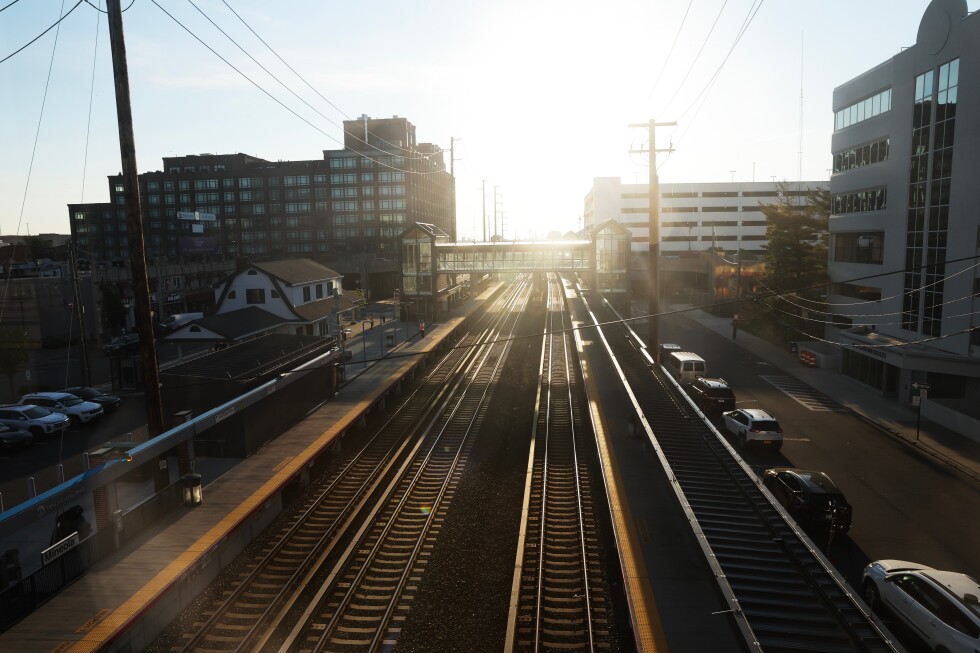
After three days of disruptive work stoppage that upended daily commutes for hundreds of thousands of travelers, negotiators announced a tentative deal on Monday to end the strike against the Long Island Rail Road (LIRR), North America’s busiest commuter rail network. Full service is scheduled to resume by Tuesday noon, bringing relief to commuters who had scrambled to find alternate travel routes since the strike began early Saturday.\n\nNew York Governor Kathy Hochul confirmed the breakthrough in a post on X, framing the agreement as a balanced compromise that delivers meaningful wage increases for LIRR workers while avoiding unfair cost burdens for riders and taxpayers. The deal caps off years of stalled contract talks between the railroad’s operator, the Metropolitan Transportation Authority (MTA), and five labor unions representing roughly half of the LIRR’s total workforce.\n\nThe unions launched their strike at 12:01 a.m. Saturday after months of failed negotiations over salary adjustments and healthcare premium contributions. Contract discussions first began in 2023, but talks deadlocked over the unions’ core demand: pay hikes large enough to help working employees keep pace with soaring inflation and rising living costs across the New York metropolitan region. The MTA had repeatedly warned that the unions’ initial wage demands would force the agency to raise ticket fares for regular commuters.\n\nA 2024 intervention by the Trump administration temporarily averted a work stoppage back in September, after the unions requested the appointment of a federal expert mediation panel. But even with federal involvement, the two sides failed to bridge their differences over succeeding months, leading unions to ultimately walk off the job earlier this week. It marked the first LIRR strike in 30 years, with the last major work stoppage taking place in 1994.\n\nMore than 250,000 daily weekday commuters rely on the LIRR to travel between New York City’s five boroughs and the eastern Long Island suburbs, a 118-mile route that serves nearly 3 million residents across Nassau and Suffolk counties, and also carries leisure travelers to popular summer destinations like the Hamptons. The shutdown immediately rippled across regional transportation and public events: over the weekend, baseball fans attending the highly anticipated New York Yankees-New York Mets crosstown matchup at Queens’ Citi Field were forced to find alternate travel, and officials warned that a prolonged strike would have disrupted travel for New York Knicks playoff fans heading to Manhattan’s Madison Square Garden, which sits directly above the LIRR’s central Penn Station hub.\n\nOver the weekend, hundreds of LIRR workers including locomotive engineers, machinists, and signal maintenance staff picketed at stations across the route. To ease disruptions, the MTA launched limited free shuttle bus service between key Long Island locations and New York City subway stations starting Monday, and Governor Hochul urged all able LIRR riders to work from home if possible to avoid transportation gridlock. Commute data from Monday morning showed far lower ridership on the shuttle service than officials projected: only around 2,000 riders used the service, compared to the MTA’s pre-planned capacity for 13,000, reflecting widespread compliance with work-from-home guidance.\n\nThe breakthrough in talks came after intensive negotiations that stretched from Sunday afternoon into the early hours of Monday, with prodding from the National Mediation Board, the independent federal agency that oversees labor relations for U.S. railroad and airline industries. With the deal now finalized, commuters can expect a full return to regular scheduled service by midday Tuesday, ending one of the most disruptive regional transportation shutdowns in recent New York history.\n\nThis reporting includes contributions from Associated Press correspondents based in New York and Concord, New Hampshire, and corrects an earlier typo confirming the LIRR’s governing body is the Metropolitan Transportation Authority.
Negotiators reach a deal to end strike on North America’s busiest commuter rail system