LA PAZ, Bolivia – Six months into the tenure of Bolivia’s first conservative head of state in nearly 20 years, widespread protests led by supporters of influential former socialist president Evo Morales have plunged the Andean nation into political and social upheaval, sparked by the worst economic crisis the country has faced in a generation. What began as scattered demonstrations and road blockades more than two weeks ago has grown into the most formidable threat to the administration of President Rodrigo Paz, who took office last year amid a regional conservative wave linked to the former Trump administration in the United States.
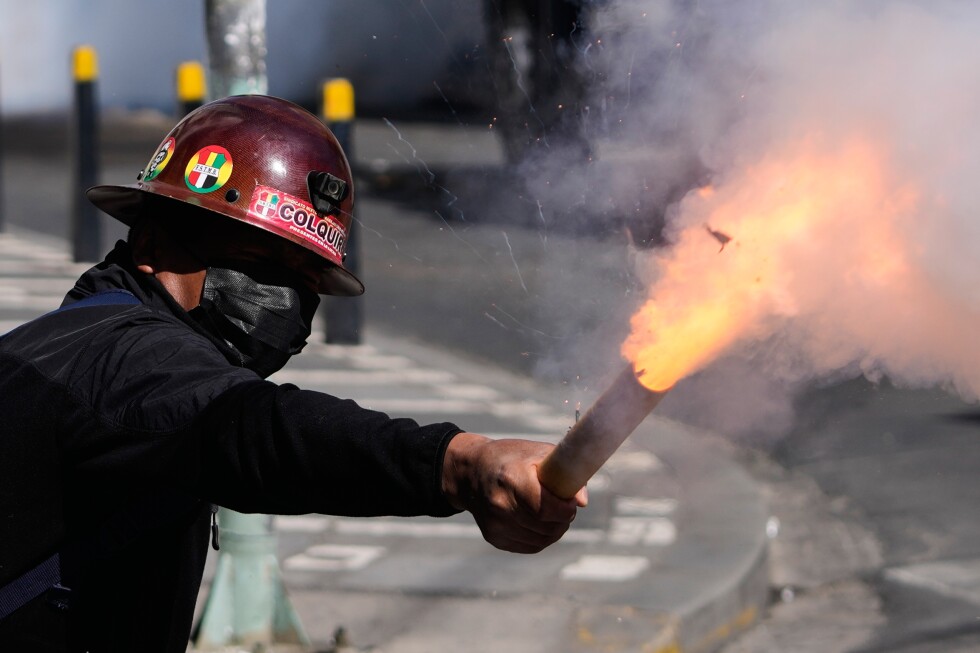
After trekking for six days across the rugged Andes mountain range, thousands of Morales’ loyal supporters converged on the capital La Paz on Monday, where they faced off against lines of riot police. Many demonstrators carried visible dynamite sticks and slingshots, with repeated dynamite blasts echoing through downtown La Paz. In response, security forces deployed tear gas canisters that drifted over crowds united in chants of “Homeland or death, we will win!” and unified demands for Paz’s immediate resignation.
Paz inherited a 40-year economic low when he took office, and has faced mounting pressure to address persistent gaps: scarce fuel supplies, a crippling national budget deficit, and a critical shortage of U.S. dollars. The president has also had to navigate tensions with powerful Morales-aligned groups that have a long history of leveraging mass action to disrupt sitting governments. In recent days, Paz’s administration has secured tentative deals to end protests with striking miners and teacher unions, but core demonstrations led by Morales supporters have continued.
Road blockades, a longstanding protest tactic for Morales’ social movement bloc which claims to represent Bolivia’s majority rural Indigenous population, have paralyzed key transportation routes across the country over 16 days. Thousands of freight trucks have been stranded on major highways, triggering cascading shortages of food, fuel, and critical medical supplies in La Paz and other major urban centers.
Over the weekend, the Bolivian government deployed national police and military personnel to clear blockades. As of Monday, Bolivia’s public prosecutor’s office confirmed an unspecified number of injuries and at least 90 arrests stemming from the crackdown. Deputy Interior Minister Hernán Paredes defended the government’s actions Monday, stating that peaceful demonstrations are permitted, but authorities will respond forcefully to any criminal activity connected to the unrest.
Paz has directly accused Morales of orchestrating the current wave of unrest in a deliberate bid to destabilize and overthrow his democratically elected administration. Morales, for his part, has organized the massive march from a remote tropical hideout in Bolivia, where he has evaded an outstanding arrest warrant for 18 months. The arrest warrant stems from allegations stemming from his sexual relationship with a 15-year-old minor, charges Morales have repeatedly dismissed as politically motivated fabrication.
The unfolding crisis has drawn international attention and intervention. Last week, eight Latin American governments spanning from Argentina to Panama released a joint statement rejecting any action intended to destabilize Bolivia’s democratic order. The U.S. State Department added its condemnation of the unrest Sunday, confirming U.S. support for Paz’s government and its efforts to reestablish peace, security, and stability for the Bolivian people.
At Paz’s formal request, neighboring Argentina has launched a weeklong humanitarian airlift operation to ease the acute shortages of critical goods that are currently impacting Bolivian cities.