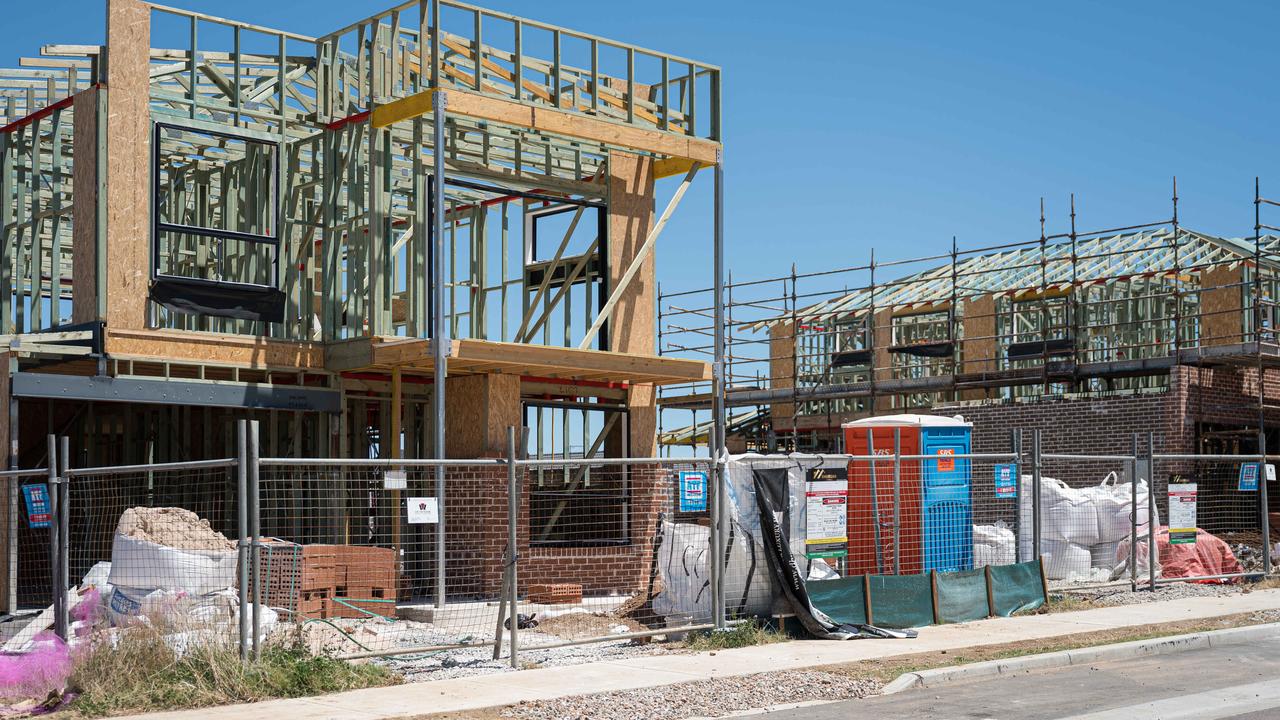
Australia’s national Albanese government has sealed a historic infrastructure agreement with Queensland’s state government that will pave the way for more than 51,000 new residential properties across the Sunshine State, a quarter of which are reserved exclusively for first-time homebuyers with no competition from private investors.
This deal marks the third major housing supply agreement struck between the federal government and state authorities in 2024, following earlier pacts that will enable 4,000 new homes in Tasmania and more than 34,000 in Western Australia. All agreements center on funding core enabling infrastructure—from arterial roads and water networks to sewage systems and power connections— that removes barriers to developers breaking ground on new residential projects.
Under the Queensland agreement, the commonwealth will contribute a total of AU$2 billion to infrastructure, split between AU$399 million in direct grants and AU$1.6 billion in zero-interest concessional loans. The Queensland state government, led by Premier David Crisafulli’s Liberal-National administration, will match the federal government’s grant contribution with an additional AU$399 million, bringing the total infrastructure investment to AU$4 billion. Funds will be directed first to three priority development zones: Mount Peter near Cairns, Southern Thornlands, and Waraba, with the first completed homes expected to hit the market by mid-2028.
Federal Housing Minister Clare O’Neil emphasized that the investment in often-overlooked core infrastructure is the critical first step to expanding housing supply and driving down costs for Queensland residents. “We’re investing in the boring but essential infrastructure like roads and sewerage that help us unlock more homes for Queenslanders, because the more homes we build, the more affordable housing becomes,” O’Neil said. “This deal opens up tens of thousands of new homes to residents with no competition from investors.”
Queensland Deputy Premier Jarrod Bleijie echoed that urgency, noting that rapid population growth has created an immediate need for additional housing across the state. “More and more people are wanting to become Queenslanders every day, and we’re working to ensure they have a place to call home,” Bleijie said. “Availability equals affordability, and by providing funding to get the vital infrastructure like roads, water, sewerage and power in place, the builders can get building.”
The Queensland agreement forms part of the federal government’s broader AU$6.3 billion national housing agenda, which includes a new AU$2 billion Local Infrastructure Fund announced in the 2026–27 federal budget. Federal Treasurer Jim Chalmers explained that the government is pursuing a multi-pronged approach to the national housing crisis, combining infrastructure investment with targeted tax reforms to adjust negative gearing and capital gains tax rules. The reforms are designed to level the playing field for domestic buyers, prioritizing first-time Australian homeowners over foreign investors.
“We’re coming at this housing challenge from every responsible angle, and this budget builds on our ambitious housing agenda,” Chalmers said.
Queensland has its own long-term target to address its housing shortage: the state government has committed to delivering 1 million new homes by 2044, including 53,500 new social and community housing units. It has already allocated a separate AU$2.4 billion to housing-enabling infrastructure through initiatives such as the Residential Activation Fund.
The agreement comes as Australia’s ongoing housing affordability and supply crisis returns to the top of the national political agenda. After rolling out earlier measures to boost supply and expand access to home loans for first-time buyers, the Albanese government has now turned its attention to tax reform. The opposition Coalition, by contrast, has pledged to roll back many of the current government’s housing policies, instead focusing on cutting planning red tape and linking net overseas migration— which many conservative politicians identify as a core driver of housing unaffordability— to annual housing completion targets.