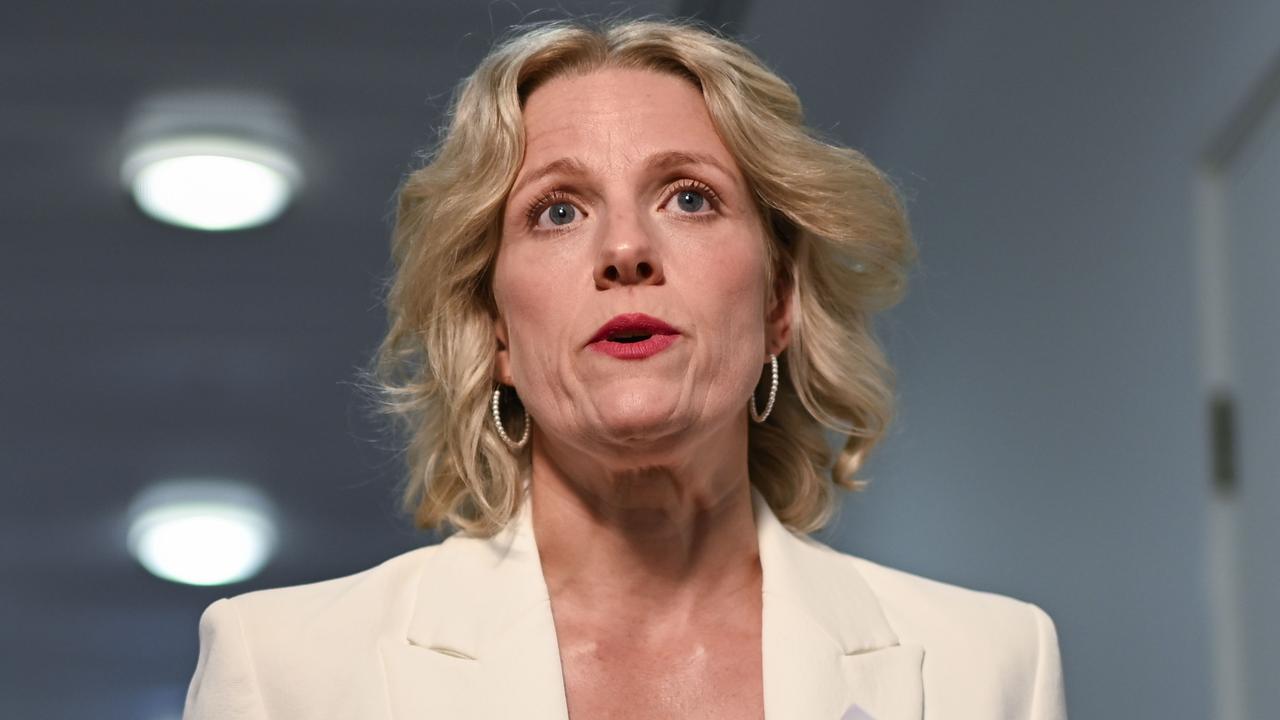
Australia’s housing market is fundamentally broken and failing to deliver accessible homeownership for ordinary working people, according to the nation’s Housing Minister Clare O’Neil, as the center-left Albanese Labor government pushes forward with high-stakes tax reforms targeting the sector, despite early polling that suggests the move could cost it support to the benefit of right-wing populist party One Nation.
In an interview with Sky News on Sunday, O’Neil delivered a blunt assessment of Australia’s decades-long housing affordability crisis, stating plainly: “This market is cooked. It’s not serving the Australian people anymore … We want people on normal incomes around our nation to have a fair shot at getting into housing.”
The federal government’s planned reforms, set to be formally introduced following the release of the 2026-27 May federal budget, roll back the 50% capital gains tax discount for existing properties and restrict negative gearing — a tax break for property investors that allows rental losses to be offset against other income — to only newly constructed housing and properties already held by investors (grandfathered assets). O’Neil emphasized that the changes will not resolve the nation’s housing shortage overnight, but framed them as a critical, balanced step toward redressing systemic housing inequality, paired with a suite of additional policies designed to increase overall housing supply.
Treasury modelling cited by O’Neil projects the reforms will help roughly 75,000 current renter households transition into first home ownership, by gently cooling the rapid pace of national house price growth. While prices will continue to rise under the policy framework, modelling predicts growth will moderate enough to deliver an average $20,000 reduction in the final purchase price for first-time buyers, striking a balance between inaction on affordability and overly drastic intervention that would disrupt market stability. “We’ve got the balance right,” O’Neil said, noting that demand for reform extends far beyond young aspiring buyers: “I am just as likely to get stopped in the street by a grandparent or a parent who is desperately concerned about their kids and their ability for their kids to set down roots, grow wealth, and raise a family in this country.”
The government’s priority on expanding first home ownership comes as it faces early political headwinds from the changes. The first major public polling released since the policy was unveiled, conducted by Roy Morgan, shows One Nation has pulled ahead of Labor on primary votes in a key contested area, representing a significant threat to Labor’s electoral standing. Dismissing the poll result, Treasurer Jim Chalmers told the ABC the government did not advance the reforms to earn short-term polling gains, but to deliver long-term progress for younger Australians locked out of homeownership by decades of policy failure.
Chalmers also defended the government’s decision to apply the capital gains tax changes to shares as well as property, noting that 90% of Australians under 25 hold no equities. He argued the current tax system is distorted, overfavoring investment in existing housing while underinvesting in new supply and other asset classes. The reforms will create a far fairer, more neutral capital gains tax regime, he said, correcting a broken status quo that has locked millions out of the market. “Some people will pretend that the current arrangements in the housing market and the tax system are working just fine. We don’t agree. We think the status quo is broken and that’s why we’re fixing it,” Chalmers said.
To pass the Senate, the government will need support from either the center-right opposition Coalition or the left-wing Greens, neither of which have signaled they will back the changes. Opposition Leader Angus Taylor has already announced the Coalition would scrap most of Labor’s core housing policies if elected, and has proposed a new policy that would peg annual net overseas migration levels directly to the number of new housing completions each year. Taylor criticized Labor for setting migration targets without accounting for existing housing supply, public services, and infrastructure, telling Sky News: “This must change, and what we’re proposing here is each year the housing minister would say we’ve built this many houses and so the immigration number, the net overseas migration number, can be X.”