In a development that overlaps with a high-stakes diplomatic visit to China by former U.S. President Donald Trump, multiple vessels connected to China passed through the strategically critical Strait of Hormuz within a 24-hour window this week, adding a new layer of complexity to already tense global discussions around the ongoing Iran conflict. The most closely monitored of these vessels is a Chinese-owned supertanker loaded with two million barrels of Iraqi crude oil. Ship tracking data confirms the tanker completed its passage through the strait on Wednesday, before disabling its automatic identification system transponder while navigating the Gulf of Oman — a move that has drawn heightened international attention to its movements.
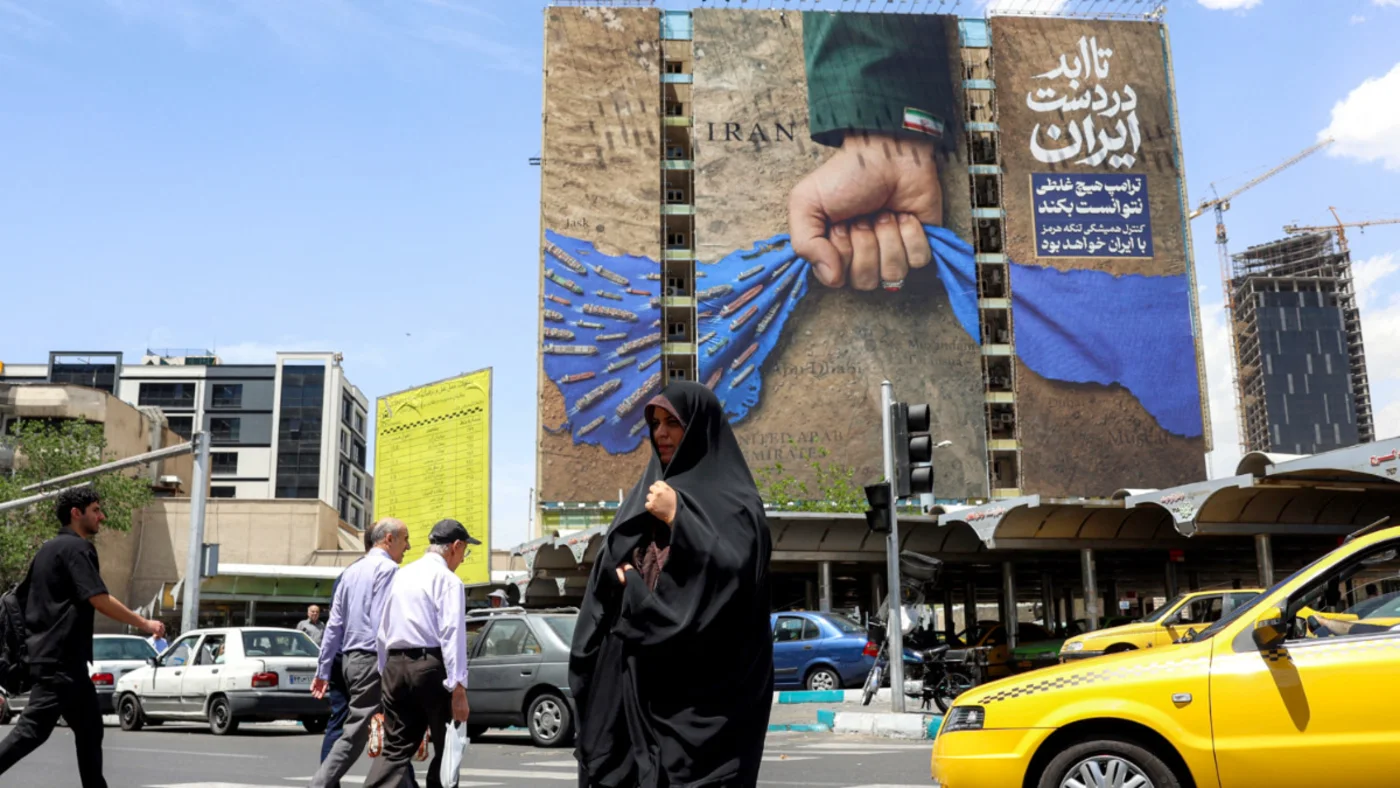
The Strait of Hormuz, the world’s most important chokepoint for global oil and gas trade, has emerged as the central flashpoint in escalating tensions between Iran and the United States. In a bid to assert full territorial authority over the waterway, Iran has moved to impose transit tolls on commercial vessels passing through the strait, while the U.S. has enforced a sweeping blockade banning any vessels with ties to Iran — or ships that have paid Iran the required transit fee — from global shipping markets. Open-source intelligence analysts, working with publicly available maritime tracking data, confirmed that a total of six other Chinese-linked vessels completed their transit of the strait just one day before the supertanker’s passage. That group included five oil tankers and one vessel carrying liquefied petroleum gas. As of this reporting, there is no public confirmation confirming whether any of the Chinese-linked vessels paid the required toll to Iran, though Iranian authorities have previously publicly confirmed they accept Chinese yuan as a valid form of payment for transit fees.
The timing of these transits coincides with Trump’s arrival in Beijing on Wednesday, kicking off a two-day official visit to meet with Chinese President Xi Jinping. While negotiations over bilateral business and trade agreements between the world’s two largest economies top the official agenda, the escalating conflict over Iran and the status of the Strait of Hormuz are expected to dominate behind-the-scenes discussions. Speaking to reporters ahead of his departure for Beijing, Trump acknowledged that Iran would feature prominently in his talks with Xi, even as he downplayed the need for Chinese cooperation to reach a favorable deal for the U.S. with the Iranian government. “We have a lot of things to discuss. I wouldn’t say Iran is one of them, to be honest with you, because we have Iran very much under control,” Trump told reporters ahead of the trip.
U.S.-China relations are already defined by broad systemic competition, with the two global powers vying for influence in areas ranging from artificial intelligence innovation to critical mineral supply chains and cross-strait relations around Taiwan. U.S. policy has failed to force Iran into submission on nuclear and regional security issues, a development that has been quietly welcomed by Beijing, but China has not remained a passive bystander to the conflict. According to exclusive reporting from Middle East Eye, the first outlet to break the story, China supplied advanced air defense systems to Iran in the aftermath of the June 2025 conflict between Iran and Israel, which concluded with U.S. military strikes on Iranian nuclear infrastructure. MEE further reported that on the eve of a planned February 2026 attack, China delivered kamikaze drones to Iranian forces. These reports were later corroborated by The New York Times, which confirmed shipments of Chinese shoulder-fired air defense systems arrived in Iran this past April. The Financial Times has also reported that Iranian forces used a sophisticated Chinese surveillance satellite to target U.S. military bases stationed across the Gulf region.
Despite its military and logistical support for Iran, experts note that Beijing’s core strategic goal remains a negotiated resolution to the conflict that would reopen the Strait of Hormuz to full commercial traffic, a move critical to stabilizing global energy markets on which China’s economy depends. “China and the US are aligned in opposing Iran having a nuclear weapons and seeing the Strait of Hormuz reopened,” Ahmed Aboudouh, an associate fellow at Chatham House and head of the China Studies research unit at the Emirates Policy Center, told Middle East Eye.
This aligns with recent public diplomatic moves from Beijing. Chinese state media confirmed on Wednesday that China’s top diplomat, Foreign Minister Wang Yi, urged Pakistan to expand its mediation efforts between Iran and the United States in a call with Pakistani Foreign Minister Ishaq Dar on Tuesday. Wang emphasized the need to resolve the issue of the strait’s reopening “properly”, adding that “China will continue to support Pakistan’s mediation efforts and make its own contribution toward this end,” according to China’s official state news agency Xinhua.