Just 48 hours after a three-day US-mediated ceasefire between Russia and Ukraine expired, large-scale cross-border drone attacks have resumed across both territories, leaving multiple civilian casualties and widespread infrastructural damage. According to local Ukrainian officials, the latest wave of Russian drone assaults across 14 of Ukraine’s administrative regions has left nine people dead and at least 28 injured.
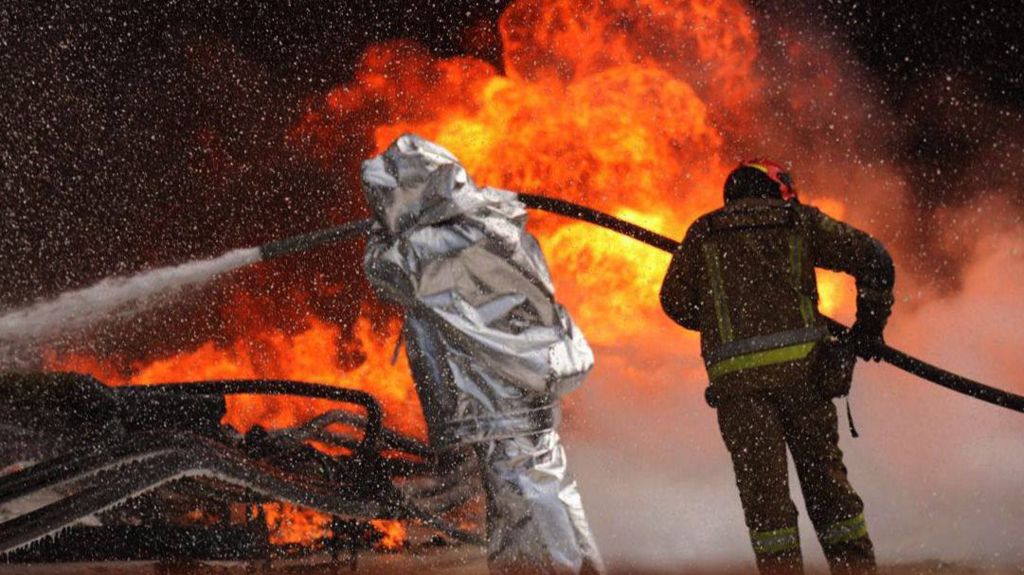
The hardest-hit area was Ukraine’s central Dnipropetrovsk region, which bore the brunt of Tuesday’s sustained attacks. Regional governor Oleksandr Hanzha confirmed that 30 separate strikes hit three districts across the region over the course of the day, killing eight people: two in Kryvyi Rih, President Volodymyr Zelensky’s hometown, and six in the Synelnykove district, located just southeast of the regional capital Dnipro. More than two dozen residential homes were damaged in the assault, and emergency crews including firefighters were deployed to tackle large blazes sparked by the strikes. One additional fatality was recorded in the eastern Donetsk region, where active frontline combat has been ongoing for months.
In the northeastern Kharkiv region, five people were injured and multiple residential buildings were damaged. Strikes were also reported across southern Ukraine in Odesa, Kherson and Zaporizhzhia, as well as in the central Ukrainian region of Poltava. On Wednesday morning, Zelensky confirmed the scale of the assault in a Telegram post, noting that attacks continued overnight after Tuesday’s initial wave. He warned that more than 100 Russian drones remained active over Ukrainian airspace, and that additional waves of attacks were expected throughout the day. Zelensky accused Russia of deliberately targeting civilian infrastructure, specifically calling out targeted strikes on Ukrainian railway networks.
Ukraine’s Air Force released its official operational update Wednesday, reporting that Russia launched 139 drones into Ukrainian territory over the preceding 24 hours. Ukrainian air defense systems successfully intercepted and shot down 111 of these drones, but 20 direct hits were still recorded across 13 separate locations.
In a reciprocal development, Russian officials reported a wave of Ukrainian drone strikes across Russian territory and the Crimean peninsula overnight. The Russian Ministry of Defense stated that air defense systems intercepted 286 Ukrainian drones across 14 Russian regions and Crimea, which Russia illegally annexed from Ukraine in 2014.
No casualties were reported in the Ukrainian strikes, but multiple industrial facilities sustained damage. In Russia’s southern Astrakhan region, falling drone debris ignited a blaze at a regional gas processing plant in the capital city. Astrakhan Governor Igor Babushkin confirmed that there is no current threat of widespread air pollution from the fire. Additional damage was recorded at two other industrial sites: one in Russia’s southern Krasnodar region, and a second in Yaroslavl, a city northeast of Moscow.
This escalation of aerial attacks comes immediately after the expiration of a three-day US-brokered ceasefire that ended late Monday. Both sides reported multiple violations of the truce, most of which occurred along the sprawling 1,000-kilometer front line dividing Russian and Ukrainian-controlled territory. There were no large-scale aerial attacks recorded during the ceasefire period.
Over recent months, Ukraine has ramped up its cross-border drone strikes against Russian energy and industrial infrastructure. Ukrainian officials have justified these attacks, arguing that these facilities support Russia’s military and war-fighting capacity, making them legitimate military targets. This latest exchange of mass drone attacks marks a sharp resumption of hostilities after the brief three-day truce, raising fears of a further intensification of the full-scale Russian invasion that began in February 2022.