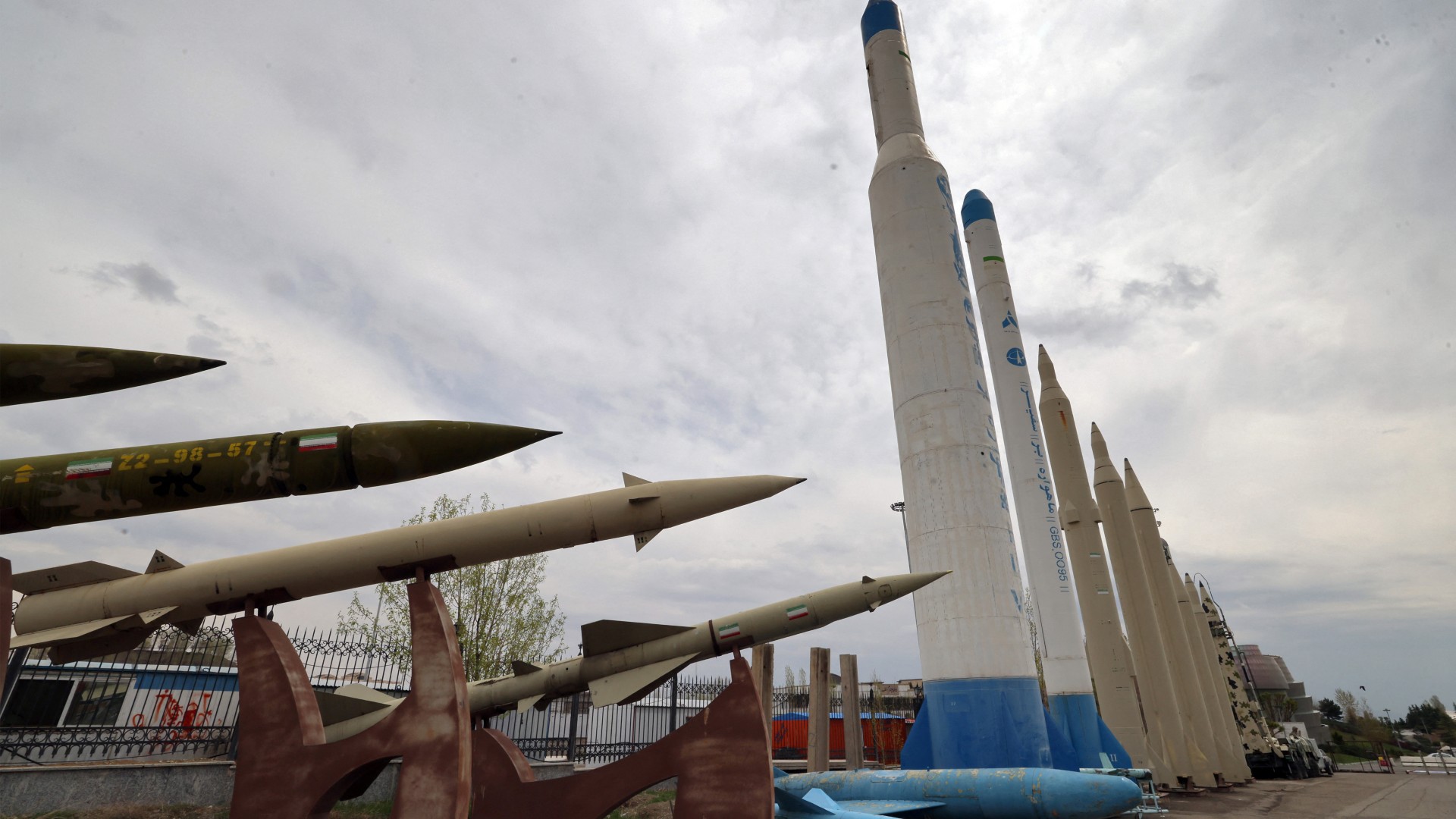
A newly disclosed classified US intelligence assessment from earlier this month directly contradicts public statements from senior Trump administration officials who have claimed to have “decimated” Iran’s military missile capabilities, according to a new report published Tuesday by The New York Times. The findings, shared with US policymakers, paint a far different picture of Iran’s current operational capacity than the White House has presented to the public. The assessment confirms that Iran has restored operational access to 30 out of 33 key missile sites positioned along the Strait of Hormuz, one of the world’s most critical chokepoints for global energy trade. Through this narrow waterway, roughly one-fifth of the world’s total oil and liquefied natural gas supplies transit each day, meaning restored Iranian capabilities pose a renewed threat to international commercial shipping and US naval forces deployed in the region. Citing intelligence sources familiar with the document, The NYT reports that Iran can now deploy mobile missile launchers from many of these sites to reposition weapons across the country, and in some cases, can conduct direct missile launches from the existing launchpads at the restored facilities. Overall, Iran retains approximately 70 percent of its pre-war stockpile of missiles and 70 percent of its national fleet of mobile launchers, the assessment found. When it comes to Iran’s network of hardened underground missile storage and launch facilities, US military intelligence gathered via satellite imagery and other advanced surveillance methods indicates that Tehran has regained access to roughly 90 percent of these sites, which are now either partially or fully operational. These findings align with an earlier report from The Washington Post published last week, which cited separate US intelligence assessments showing Iran retained around 75 percent of its mobile launchers and 70 percent of its pre-war missile inventory. The gap between classified intelligence conclusions and the administration’s public rhetoric traces back to the strategic choices US military planners made when launching the joint US-Israeli offensive against Iran that began on February 28. According to The NYT’s reporting, when strikes targeted Iranian missile sites, US forces largely chose to seal off the entrances to underground facilities rather than completely destroying them from the inside out – a decision driven largely by critical shortages of heavy bunker-busting munitions. Military planners prioritized preserving existing stocks of these specialized weapons for potential high-intensity conflicts with North Korea and China, leading to a more restrained approach to destroying Iran’s hardened infrastructure. Additional reporting from The NYT has previously confirmed that the Iran offensive has already severely depleted US stockpiles of multiple key munitions types, including Tomahawk cruise missiles, Patriot interceptor missiles, MGM-140 Army Tactical Missiles, and Precision Strike missiles. To date, the US has fired roughly 1,100 long-range stealth cruise missiles in the campaign – a number equal to nearly the entire remaining stockpile the US held before the war began. It has also expended 1,300 Patriot interceptors, a volume that would take more than two years to replace at 2025 production rates. The Trump administration has pushed back hard against these reports, doubling down on its claims of a resounding victory in the campaign. A White House spokesperson rejected the NYT’s reporting, reiterating that Iran’s capabilities had been “crushed” and claiming that anyone who suggests Iran has reconstituted its missile forces is either “delusional or a mouthpiece” for Iran’s Islamic Revolutionary Guards Corps. Acting Pentagon press secretary Joel Valdez also issued a sharp rebuke, calling the NYT’s reporting “disgraceful” and accusing the outlet of acting as a public relations arm for the Iranian regime. Valdez insisted that Operation Epic Fury, the official name for the US-led offensive, stands as a “historic accomplishment.” Chairman of the Joint Chiefs of Staff Dan Caine also pushed back on claims of depleted munitions during a Tuesday appearance before a House appropriations subcommittee, telling lawmakers that the US currently “has sufficient munitions for what we’re tasked to do right now.” After the February 28 opening of the offensive, which began with a massive wave of joint US-Israeli airstrikes across Iran, Tehran responded with its own missile and drone strikes targeting Israel and allied Gulf Arab states, and temporarily closed the Strait of Hormuz to commercial traffic.
Iran has regained access to most missile and underground sites, US intelligence finds