In a fresh wave of brutal attacks on Ukraine, Russian forces launched over 100 drones across multiple Ukrainian regions on Wednesday, Ukrainian President Volodymyr Zelenskyy confirmed. The assault came just hours after an earlier barrage on civilian areas claimed the lives of at least eight people, marking another escalation in Moscow’s unrelenting campaign against its neighbor.
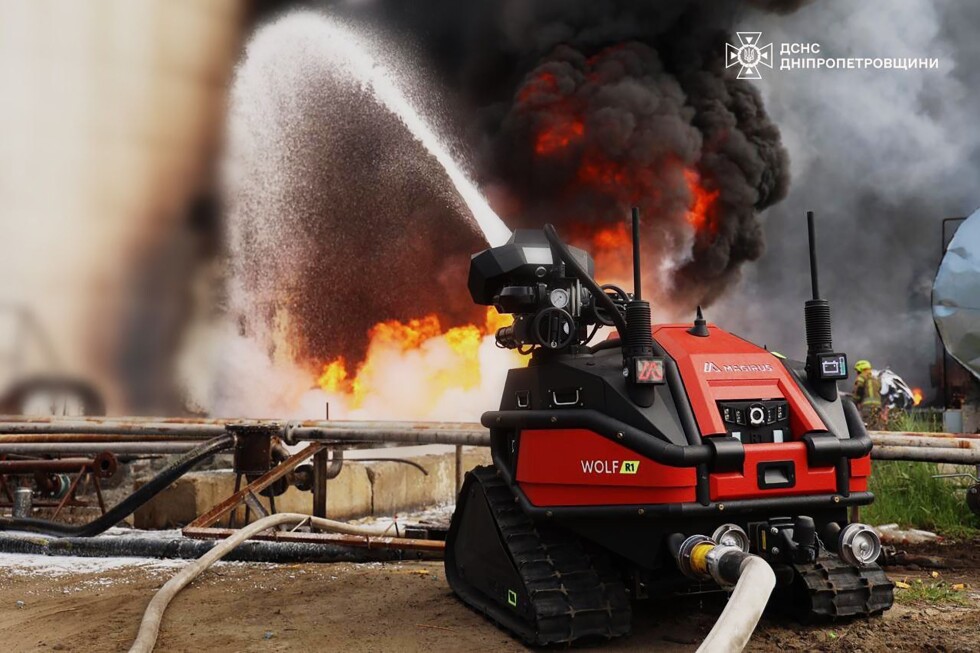
Zelenskyy took to social media platform X to condemn the strikes, emphasizing that Russian forces are deliberately targeting critical civilian and infrastructure sites across the country. According to the Ukrainian leader, overnight attacks hit residential neighborhoods and railway networks in central Ukraine’s Dnipro region and northeastern Kharkiv, port facilities in the southern Odesa region, and energy installations in the central Poltava region. He added that attacks spanned 14 Ukrainian regions throughout Tuesday, underscoring the broad scope of Moscow’s current offensive.
In his statement, Zelenskyy made a direct appeal to the international community, warning that waning global media attention on the conflict — a shift largely driven by world focus turning to escalating tensions in Iran — only emboldens Russia to intensify its aggression. “It is important to support Ukraine and not remain silent about Russia’s war. Every time the war disappears from the top of the news, it encourages Russia to become even more savage,” he said.
The latest attacks come against a backdrop of surprising claims from both former U.S. President Donald Trump and Russian President Vladimir Putin that the nearly three-year-long conflict could be nearing an end. Speaking to reporters ahead of his departure from the White House for a Beijing summit Tuesday, Trump stated he believes Moscow and Kyiv will soon reach a negotiated settlement to end the fighting. “The end of the war in Ukraine I really think is getting very close,” Trump said. “Believe it or not, it’s getting closer.”
Putin echoed this sentiment in a speech over the weekend, claiming his full-scale invasion of Ukraine was possibly “coming to an end.” Neither leader has provided any evidence to back up these assertions, nor has either elaborated on what factors have led them to suggest peace is on the horizon for Europe’s largest and longest conflict since World War II.
Previous U.S.-led diplomatic efforts to broker a ceasefire and peace deal over the past year have stalled completely, failing to make progress on core sticking points that have divided the two sides since the invasion began. Key unresolved issues include Russia’s refusal to withdraw from illegally occupied Ukrainian territory and international efforts to create permanent security guarantees to deter future Russian aggression. Meanwhile, some European governments — which have spent years isolating Putin and enforcing sweeping economic sanctions on Russia in response to the invasion — are now debating whether to open direct diplomatic talks with the Kremlin.
Despite the claims of an imminent end to the war, recent military momentum has shifted in Ukraine’s favor, according to independent defense analysts. Ukraine has built up its domestic drone manufacturing sector over the course of the conflict, and it now even shares its battlefield-proven counterattack expertise with other allied nations, after spending the early months of the war pleading for international military support.
Ukrainian long-range drone and missile strikes have repeatedly disrupted Russian energy infrastructure and military manufacturing deep inside Russian territory, with three Russian regions confirming Ukrainian strikes on Wednesday. The Russian Defense Ministry claimed its air defense systems intercepted and destroyed 286 Ukrainian drones across western Russia, the illegally annexed Crimean Peninsula, and the Azov and Black Seas.
Along the 780-mile front line stretching across eastern and southern Ukraine, Russia’s much larger and better-equipped army has seen its advance slow steadily every month since October 2024, according to the Washington-based Institute for the Study of War (ISW). The think tank reported that Russia’s much-vaunted 2025 spring offensive has faltered badly, with Russian forces recording a net loss of captured territory in the past month — the first time this has happened since 2024.
“Not only are Ukrainian defensive lines holding, but Ukrainian forces have managed to contest the tactical initiative in several areas of the front line even as Russia continues to lose disproportionate amounts of manpower to achieve minimal gains,” the ISW said in a Tuesday analysis.