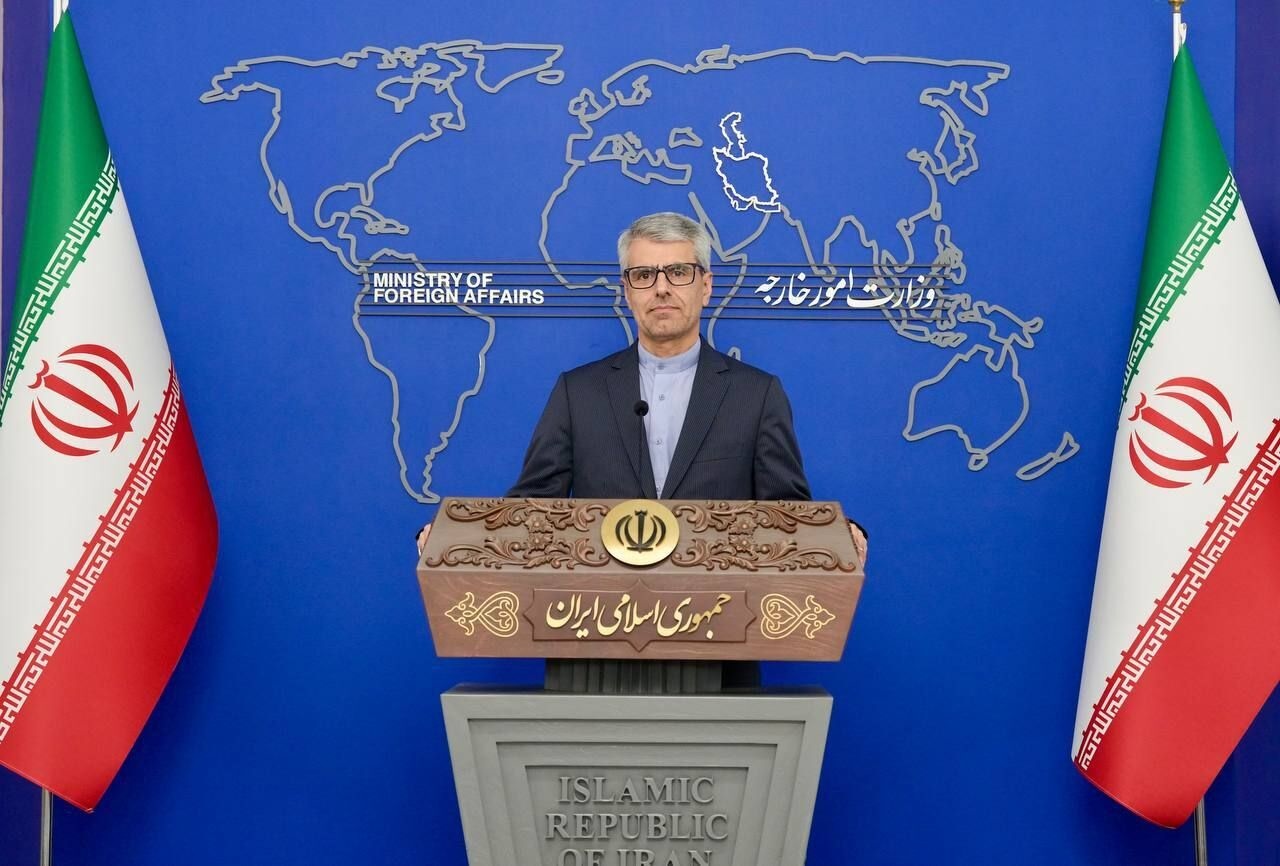
On a Monday press briefing, Iranian Foreign Ministry spokesperson Esmail Baghaei pushed back against former U.S. President Donald Trump’s outright rejection of Tehran’s counter-proposal for a nuclear and regional peace agreement, defending the initiative as a reasonable and good-faith effort to de-escalate long-standing tensions. “The only thing we have demanded is Iran’s legitimate rights,” Baghaei stated, countering accusations of Iranian intransigence by accusing Washington of clinging to a set of non-negotiable unreasonable demands that have stalled progress toward a diplomatic resolution.
Trump’s rejection came via a public social media post over the weekend, where he dismissed Iran’s counteroffer to Washington’s latest proposal as “totally unacceptable” and added “I don’t like it,” offering no specific details about which provisions he found objectionable. The abrupt, vague dismissal immediately roiled global energy markets, driving crude oil prices sharply higher as investors priced in heightened risk of a wider regional conflict.
While full text of both the U.S. proposal and Iran’s counterproposal remain confidential, think tank expert Trita Parsi, executive vice president of the Quincy Institute for Responsible Statecraft, outlined leaked key concessions Iran has put forward that represent a significant shift from Tehran’s earlier negotiating positions. According to Parsi’s analysis, Iran has compromised on two of the most contentious sticking points in the talks: uranium stockpiles and long-term enrichment limits.
Previously, Tehran refused to ship any of its existing uranium stockpile outside of the country, only agreeing to dilute the material to lower-grade, non-weapons grade. Under the new proposal, Parsi says Iran has offered to downblend a portion of its stockpile and send the remainder to a neutral third party for storage. On enrichment, Iran has also agreed to a 12-year moratorium on all domestic uranium enrichment — a major compromise that falls between Trump’s original demand for a 15- to 20-year pause and Tehran’s initial offer of just three to five years.
“That Iran is willing to pause enrichment at all is a significant concession that I am not sure is fully appreciated by the American side,” Parsi noted in his analysis. He questioned why Trump has hardened Washington’s negotiating position beyond its original core red line of preventing Iran from acquiring nuclear weapons, suggesting the shift is driven by pressure from U.S. ally Israel. “The insistence on shipping the entire stockpile out appears to be another example of Trump allowing America’s red lines to be replaced by Israel’s,” Parsi wrote. “It would be a shame if the entire negotiation collapses over this issue.”
Trump confirmed over the weekend that he had spoken with Israeli Prime Minister Benjamin Netanyahu about Iran’s proposal, calling the conversation “very nice” and noting the two leaders maintain a “good relationship.”
Iran’s semi-official Tasnim News Agency, citing an anonymous informed source, further clarified the key terms of Tehran’s proposal on Monday. The document prioritizes an immediate end to ongoing hostilities, ironclad international guarantees against future U.S. aggression, the full lifting of crippling U.S. economic sanctions on Iran, and an immediate end to the U.S.-led naval blockade of Iran once an initial preliminary agreement is signed. It also reaffirms Iran’s sovereign authority over the Strait of Hormuz — a critical global energy chokepoint through which roughly 20% of the world’s oil supplies pass — contingent on Washington fulfilling its commitments under the deal. The proposal also includes provisions for advancing regional security and guaranteeing safe commercial passage through the strait.
Baghaei pushed back hard against narratives framing Iran as the unreasonable party to the negotiations, pointing to Washington’s history of aggressive action in the region to counter the claim. “It is enough to look at Iran’s record,” he said. “Were we the ones who deployed troops? Are we the ones bullying countries in the Western Hemisphere? Were we the ones who committed assassinations twice during negotiations?” He also defended Tehran’s core asks, asking: “Is our proposal for safe passage through the Strait of Hormuz unreasonable? Is establishing peace and security across the entire region irresponsible?”