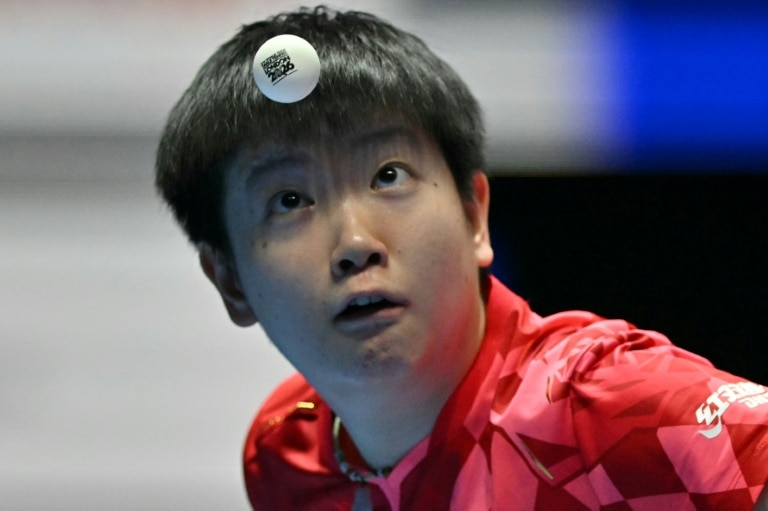
China’s top sports governing body has issued a formal call for sports fans to curb extravagant, large-scale birthday celebrations for elite national athletes, warning that such events carry multiple downsides ranging from resource waste to disruption of competitive preparation. The new guidance comes amid a broader nationwide push to rein in what state outlets have labeled “toxic fandom” — a pattern of obsessive behavior around public figures that has increasingly spilled into the country’s professional sports circuit.
The trend of over-the-top birthday tributes is not unique to China, with fans across neighboring East Asian markets like South Korea and Japan long organizing large-scale public events to mark favorite celebrities’ special days. In China, this practice has recently extended to popular national sports stars, most notably table tennis world champion Sun Yingsha. When Sun turned 25 in November, fans across the country pulled together a multi-city celebration: dedicated birthday messages were displayed on giant digital billboards in major commercial districts, a custom drone show was staged, and dozens of fan meetups packed public shopping malls.
But that level of lavish fan activity has now drawn official pushback. On Sunday, state media outlets reported that a senior unnamed manager from China’s General Administration of Sport issued a recent public appeal urging supporters to maintain a rational perspective on their favorite athletes, and to stop organizing or taking part in large-scale organized birthday events.
“Such activities not only consume large amounts of social and public resources, they also easily interfere with the focused preparations athletes are making for upcoming competitions,” the official stated, according to China’s state-owned national broadcaster CCTV. The official also noted that in many cases, event organizers use athletes’ personal images and likenesses without formal permission, which can violate the athletes’ own publicity and intellectual property rights. Instead of putting together costly offline celebrations, fans should focus on supporting athletes through their performance in official competitions, the official added.
The guidance is the latest step in a broader crackdown on toxic fandom in China’s sports space. In recent years, growing adoration for high-profile sports stars has led to increasing levels of obsessive fan behavior, including unwanted intrusion into athletes’ private personal lives and recurring cycles of cyberbullying directed at rival fans or even the athletes themselves. State media has repeatedly called out this harmful pattern of behavior, and regulatory authorities have made repeated public vows to rein it in across the entertainment and sports industries.