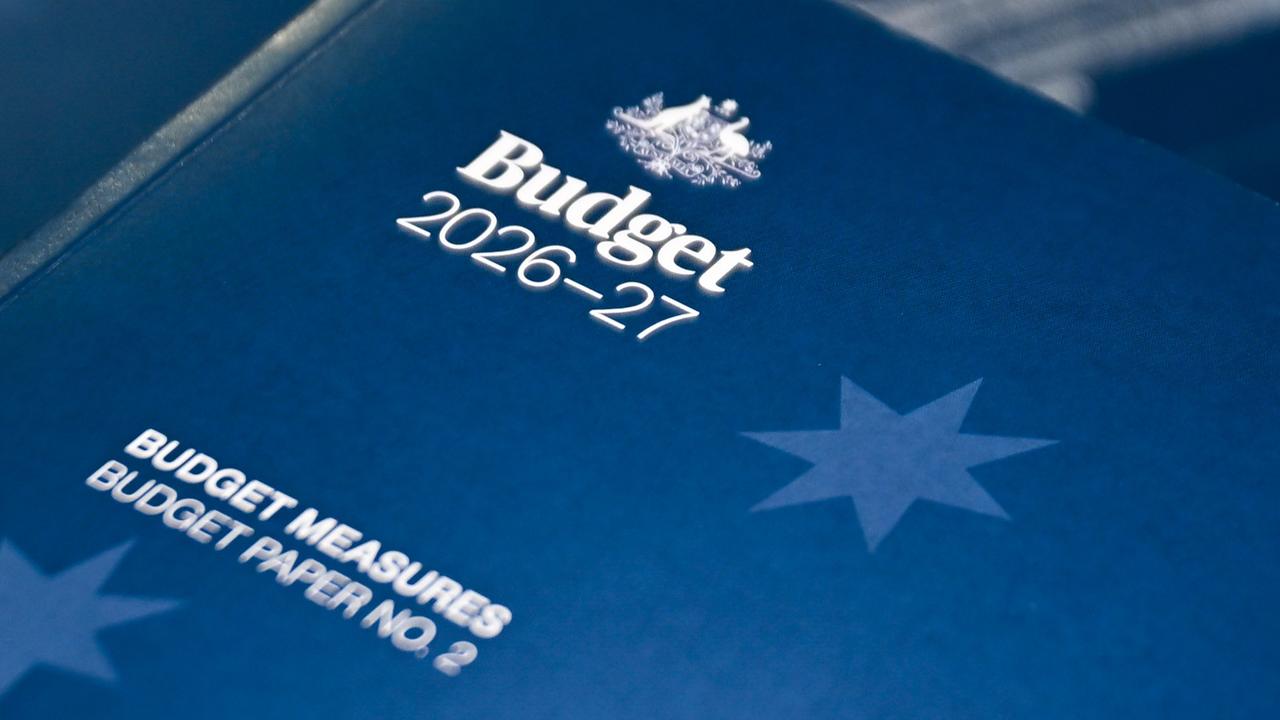
Ahead of next week’s highly anticipated Australian federal budget, new analysis from Oxford Economics Australia has projected a far stronger fiscal position than earlier forecasts, driven by sky-high commodity prices and persistent inflation that are simultaneously squeezing household budgets across the country.
The independent research firm estimates the federal budget for the current financial year will come in $11.4 billion ahead of previous projections, with cumulative upgrades to the bottom line reaching $71 billion over the next four years, all tied to the recent global surge in energy and raw material costs. Harry Murphy Cruise, Oxford Economics Australia’s head of economic research and global trade, explained that the cost-of-living crisis battering household budgets is delivering an unexpected short-term boost to national government coffers.
“All of the pressures that are hurting household bottom lines actually work in the federal budget’s favor in many respects,” Murphy Cruise told NewsWire. “Higher inflation and elevated commodity prices both push up total tax revenue, which is why we’re seeing such a large improvement to this year’s budget balance.”
Much of this unexpected windfall traces back to the volatility in global oil markets triggered by escalating Middle East tensions between the U.S. and Iran that began in late February. Brent crude prices climbed from roughly $56 USD per barrel in January to a temporary peak of $120 USD, before settling around $100 USD in recent weeks. For every $10 USD rise in oil prices, Australian motorists pay an extra 10 cents per liter at the fuel pump, which has directly driven up overall inflation: the national consumer price index jumped to 4.6% in March, up from 3.4% in February.
Beyond oil, key export commodity iron ore has also traded well above forecast levels this year. The higher commodity prices lift federal revenue through three key channels: increased royalty payments to the government, higher corporate profit tax from mining firms, and increased consumption tax and GST revenue from higher overall prices for goods and services across the economy. As of May 8, Australian gross national debt stood at $964.2 billion, with net debt (calculated as gross debt minus government cash holdings, investments and loans) at $587.5 billion according to the most recent Mid-Year Economic and Fiscal Outlook. Even with the massive projected upgrades to the budget, Oxford Economics notes no consistent surpluses are expected over the next four years, and the revenue boost is only a temporary gain rather than a long-term improvement to the nation’s fiscal position.
The short-term fiscal gain comes at a steep cost for broader economic growth, new projections from the Reserve Bank of Australia (RBA) show. The central bank has downgraded its 2026 GDP growth forecast by 0.5 percentage points to just 1.3%, and lifted its 2024 headline inflation projection to 4% from the earlier 3.6% forecast. RBA governor Michele Bullock warned that the ongoing conflict in the Middle East has created significant new uncertainty for the Australian and global economies, with two adverse scenarios modeled by the RBA showing just how severe the fallout could be.
In both downside scenarios, prolonged tensions keep the critical Strait of Hormuz — through which roughly 20% of global oil supplies pass — closed, triggering a sharp near-term spike in global energy prices. Under these conditions, underlying inflation could peak as high as 5.2%, and the unemployment rate would rise to 5.1% as economic activity stalls. Even in these worst-case scenarios, the RBA does not project a technical recession, and still expects inflation to return to its 2-3% target range by June 2027. Bullock emphasized that the commodity price shock stemming from the conflict has worsened the already difficult trade-off between taming inflation and supporting growth. “Developments in the Middle East remain highly uncertain, but under a wide range of possible scenarios the conflict adds to global and domestic inflation,” Bullock said. “The shock to oil and some other commodity prices has worsened the trade-off between inflation and growth.”
With the budget set to deliver better-than-expected revenues, leading economists are urging the federal government to avoid broad-based cash handouts to ease household cost-of-living pressures, warning that excessive spending would only add to inflation and force the RBA to keep interest rates higher for longer. AMP chief economist Shane Oliver is calling for deep, targeted spending cuts to get the budget back on track, capping any new cost-of-living relief at $5 billion, or roughly 0.2% of national GDP. Oliver argues the government needs to find $100 billion in cumulative savings over the next four years to bring government spending back to its long-term average of around 25% of GDP, down from the current 26.9%.
“My wishlist is that any stimulus from the government is limited, well-targeted towards businesses and households that need it most, and also temporary and modest,” Oliver said. “If you pump too much stimulus in, you’re just going to make the Reserve Bank’s inflation challenge worse and lead to even higher interest rates. It might sound harsh, but the problem is all this extra government spending has increased aggregate demand in the economy, crowded out home construction, business investment and consumer spending, and created an inflation problem that didn’t need to exist.”