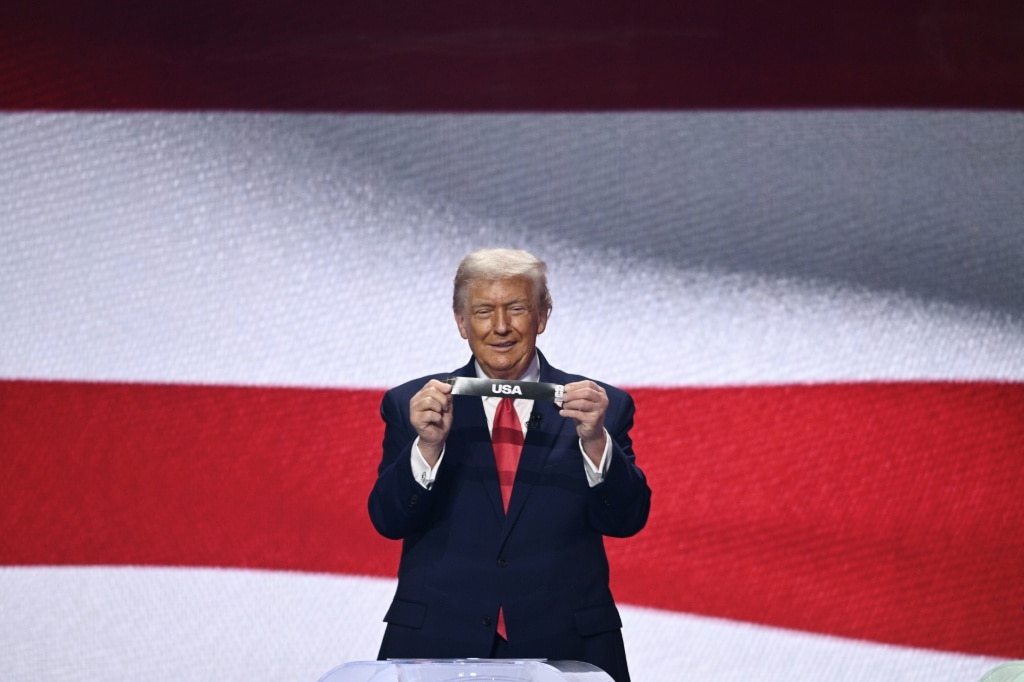
As the clock ticks down to the 2026 FIFA World Cup, the one-month countdown to the historic first three-nation co-hosted tournament kicked off Monday, with a swirl of anticipation tangled in mounting anxiety over soaring ticket costs, political friction and international conflict that have cast a long shadow over football’s biggest global spectacle.
The 23rd edition of the World Cup is unprecedented in scale: 48 national teams will compete across 104 matches over nearly six weeks, with the United States hosting 78 fixtures, Canada hosting 10, and Mexico hosting 16. The tournament will open on June 11 at Mexico City’s legendary Estadio Azteca, with the final scheduled for July 19 at New Jersey’s 82,500-seat MetLife Stadium. Organizers project billions of dollars in revenue for FIFA, but months of turbulent pre-tournament preparation have left a sour taste for many fans and observers even before the opening kickoff.
The most vocal outrage has centered on FIFA’s new, drastically inflated pricing structure, which fan advocates have labeled an unethical betrayal of ordinary supporters. The most expensive face-value ticket for the 2026 final sits at a staggering $32,970 — a stark jump from the $1,600 top price for the 2022 World Cup final in Qatar. Football Supporters Europe (FSE) has called the pricing “extortionate”, arguing it has put the tournament out of reach for working-class fans across the globe.
FIFA President Gianni Infantino has defended the pricing model, arguing that market rates for the U.S. — where the majority of matches take place — justify the high costs, pointing to the country’s well-developed high-cost entertainment sector. Though FIFA claims over 500 million ticket requests have been submitted (a figure 10 times the combined total for the 2018 and 2022 tournaments), many match seats — including that of the U.S. men’s national team’s opening fixture against Paraguay on June 12 in Los Angeles — still remain listed for sale on secondary ticketing platforms. Even former and current U.S. President Donald Trump, a close ally to Infantino, has expressed surprise at the cost, telling the New York Post that even he would not pay $1,000 to attend the U.S. opener.
Beyond ticket affordability, critics have raised alarms over the tense political climate in the United States following Trump’s re-election to the White House. What was originally marketed as a “Unity Bid” designed to showcase cross-border cooperation between the three North American co-hosts has been upended by Trump’s aggressive policies: he has publicly discussed absorbing Canada into the U.S. as the 51st state and launched new trade wars against both Canada and Mexico. Human rights organizations have warned that the tournament will be marred by exclusion and fear, pointing to Trump’s administration’s crackdowns on immigration, protest and press freedom. Amnesty International has gone further, warning the World Cup risks becoming a “stage for repression”.
International conflict has added another layer of uncertainty. The February 2026 U.S.-Israeli military strikes on Iran have roiled global markets and raised questions about Iran’s participation in the tournament — a historic first: it is the first time a World Cup host nation has been in active direct military conflict with a participating team before the tournament kicks off. Trump initially suggested Iran withdraw from the tournament for their own safety, but after FIFA insisted Iran would compete as planned (with all three of their group stage matches hosted in the U.S., after a request to move their fixtures to Mexico was rejected), Trump walked back his comment, saying he was “OK” with Iran’s participation, as he looks to gain political advantage from the tournament ahead of this year’s U.S. midterm elections.
Infantino has repeatedly dismissed growing criticism, framing negative headlines as overblown “negative press” and claiming “it’s very difficult to find something negative around this World Cup”. But his bullish optimism has failed to ease concerns across the global football community. FIFA and tournament organizers are pinning their hopes on on-field action overriding pre-tournament controversy once matches begin, banking on the World Cup’s traditional ability to draw global audiences with dramatic moments and elite football.
This expanded edition of the tournament will bring no shortage of storylines: defending champions Argentina, led by Lionel Messi, enter as one of the favorites, alongside 2024 European champions Spain, 2018 champions France, and England, which is still chasing its first major men’s tournament title since 1966. For long underrepresented football nations, the expanded 48-team field also marks a historic milestone: Curacao, the smallest nation by population to ever qualify for a World Cup, and Cape Verde will both make their tournament debuts.