As Thursday dawned, the United States held its breath for Tehran’s formal response to a fresh proposed agreement designed to end the weeks-long Middle East conflict and reopen the strategically vital Strait of Hormuz, the critical shipping lane that connects the Gulf to global energy markets. Growing optimism that a breakthrough could be imminent sent Asian stock markets surging and pushed oil prices sharply lower, with both global benchmarks dropping below the key $100 per barrel threshold after days of declines tied to diplomatic progress.
The conflict, which was launched by the United States and Israel in late February, has upended regional security: Iran has retaliated with a wave of cross-region attacks and imposed a tight chokehold on the Strait of Hormuz, the passage that handles roughly 20 percent of the world’s daily oil and liquified natural gas trade, plus a large share of global fertilizer shipments. This disruption has sent energy prices soaring worldwide, even as diplomatic efforts gained steam in recent days.
The diplomatic push, mediated by Pakistan and backed by Washington’s Gulf Arab allies, saw a dramatic twist earlier this week when President Donald Trump launched a brief naval operation to escort commercial ships and force open the strait, only to call off the mission within hours. He cited tangible progress in talks with Iran to justify the sudden U-turn. Multiple U.S. outlets have since shed light on the factors behind that decision: NBC News reports that Saudi Arabia, whose Crown Prince Mohammed bin Salman held direct talks with Trump, refused to grant U.S. forces access to its airspace and military bases for the Hormuz operation, scuttling plans for immediate military action.
Trump told reporters on Wednesday that discussions over the prior 24 hours had been productive, saying “it’s very possible that we’ll make a deal.” He did, however, repeat his standard warning that the U.S. would resume military strikes if Tehran rejected Washington’s demands. For its part, Iran confirmed the proposal is still under internal review. Foreign ministry spokesman Esmaeil Baqaei said Tehran would share its final position with mediator Pakistan once it has completed internal deliberations. Axios, citing two unnamed U.S. officials, reported that both sides are nearing agreement on a short one-page memorandum of understanding that would end active hostilities and set a framework for future negotiations over Iran’s nuclear program.
Inside Iran, many residents remain deeply anxious amid ongoing conflict and growing domestic repression. Speaking to AFP from the northern Iranian city of Tonekabon, 49-year-old Ali — who only gave his first name out of fear of retaliation from authorities — said “The economic situation got worse, and this government has become even more brutal.”
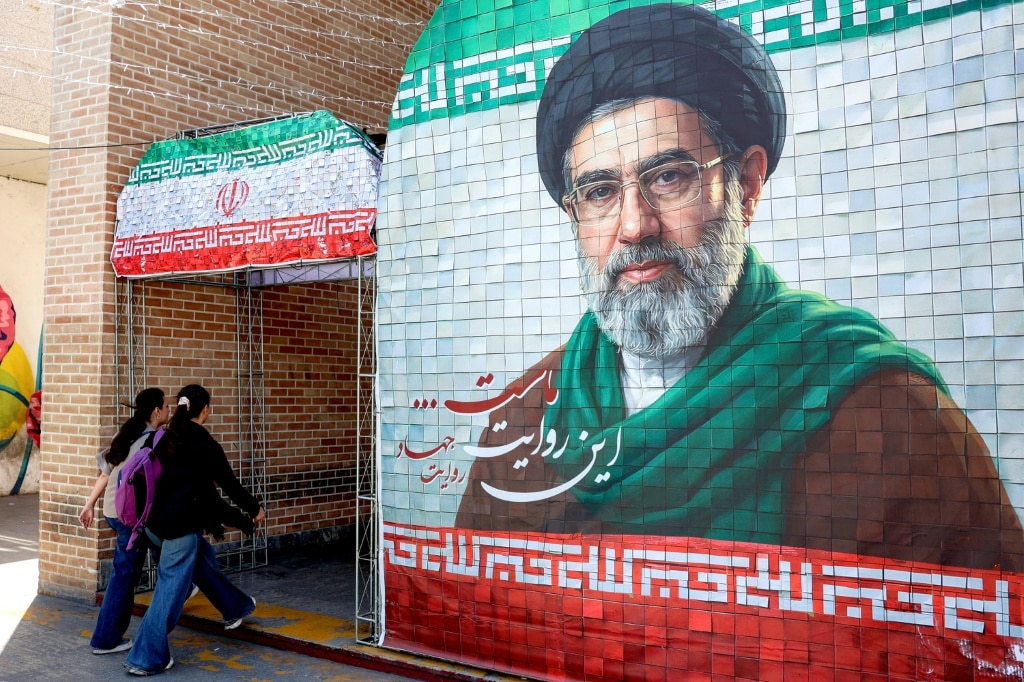
Tehran has also moved to push back against Trump’s claims that Iranian leadership is fractured following the deaths of multiple senior officials in U.S. and Israeli strikes. On Thursday, Iranian President Masoud Pezeshkian confirmed he had held a meeting with the country’s new Supreme Leader Mojtaba Khamenei, who has not appeared in public since he was appointed in early March following the death of his father, Ali Khamenei, in the opening days of the war. Mojtaba Khamenei is reported to have been wounded in that same opening strike, and has only released written statements until now. In a video broadcast on Iranian state television, Pezeshkian said “What struck me most during this meeting was the vision and the humble and sincere approach of the supreme leader of the Islamic revolution.”
Beyond the Strait of Hormuz and Iran, regional tensions remain acute in Lebanon, where an already fragile ceasefire between Israel and Hezbollah was pushed to the breaking point this week. On Wednesday, Israel carried out its first airstrike on Beirut’s southern suburbs in nearly a month, killing a senior commander from Hezbollah’s elite Radwan force. Israeli Prime Minister Benjamin Netanyahu reiterated in a video statement that “no terrorist is immune. Anyone who threatens the State of Israel will die because of his actions.” The following day, the Israeli military confirmed that an explosive drone attack in southern Lebanon had wounded four of its soldiers, one of them severely, a day earlier.
Financial markets reacted strongly to the growing prospect of a diplomatic breakthrough. The Tokyo Nikkei index led a broad, strong rally across Asian stock markets, while oil prices fell by 2 percent on Thursday, adding to a roughly 10 percent decline over the prior two trading days. While energy prices remain far higher than they were before the conflict began, both international benchmark Brent Crude and U.S. benchmark West Texas Intermediate now sit below the symbolic $100 per barrel mark, a shift that has eased fears of sustained runaway energy inflation worldwide.