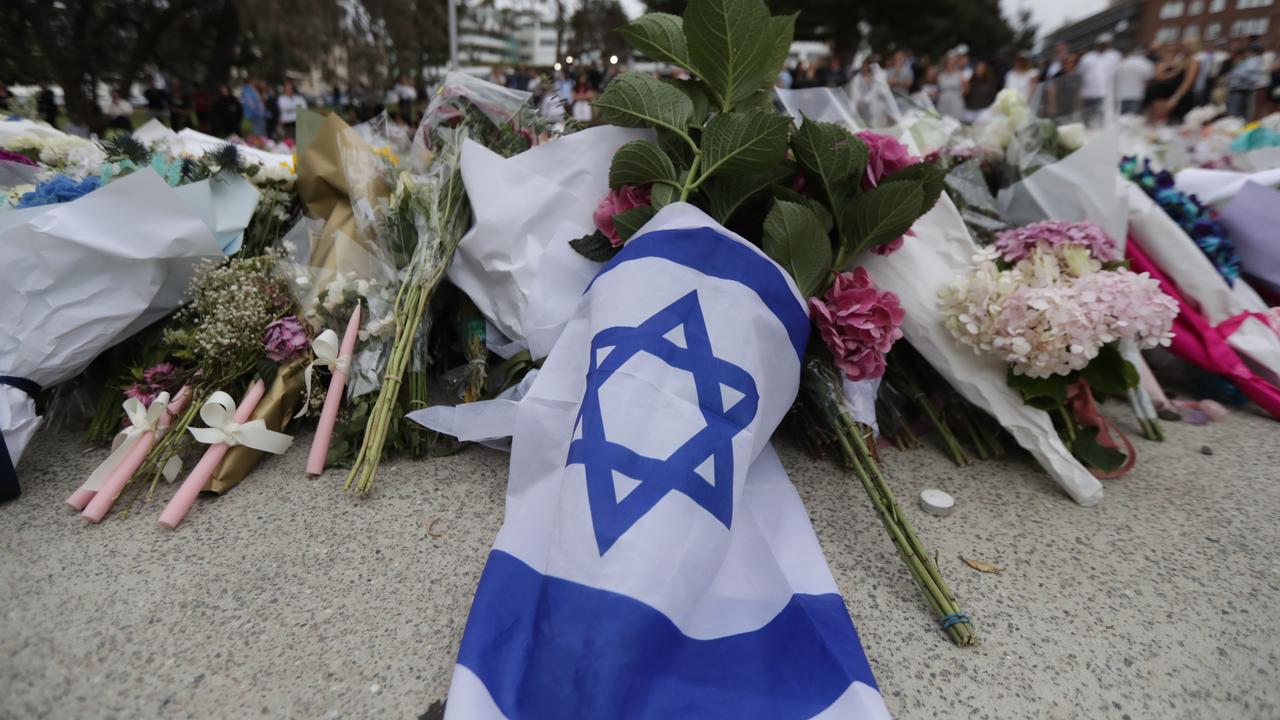
Sydney, Australia – The first round of public hearings for Australia’s Royal Commission on Anti-Semitism and Social Cohesion is set to get underway Monday in Sydney’s central business district, launching a historic national inquiry that will center Jewish Australian voices and their firsthand accounts of rising anti-Jewish hatred across the country. The inquiry was called in the wake of a devastating December 2025 terror attack at a Bondi Beach Chanukah celebration that left 15 people dead, and a sharp nationwide uptick in anti-Semitic incidents following the October 7 2024 Hamas attacks in Israel.
The attack, which targeted the annual Chanukah By The Sea gathering, unfolded when Naveed Akram and his father Sajid allegedly opened fire on attendees, killing 15 people and wounding dozens more. Sajid Akram was fatally shot by responding police, while Naveed Akram has not yet entered pleas to 59 criminal charges, including 40 counts of attempted murder. Australian authorities allege the pair were radicalized and inspired by the extremist group ISIS, marking one of the deadliest anti-Semitic attacks in the nation’s modern history.
Pressure on the federal Albanese government to launch a sweeping public inquiry built steadily in the weeks following the attack, after the government initially commissioned a classified internal review of security agency performance led by former Australian Security Intelligence Organisation director Dennis Richardson. Prime Minister Anthony Albanese announced the royal commission on January 8, 25 days after the attack, reversing the government’s earlier position to meet demands from the Australian Jewish community for a transparent, public examination of systemic gaps in addressing anti-Semitism.
“I’ve listened, and in a democracy, that’s a good thing to listen to what people are saying,” Albanese told reporters at the time of the announcement. “I’ve taken the time to reflect, to meet with leaders in the Jewish community, and most importantly, I’ve met with many of the families of victims and survivors of that horrific attack. It’s clear to me that a royal commission is essential to achieving this.”
Presided over by royal commissioner Virginia Bell, the opening two-week block of hearings will focus on core foundational questions: how anti-Semitism is defined in the Australian context, its current prevalence across Australian society and public institutions, and how best to measure the scope of the problem. Over the course of the hearings, dozens of witnesses will testify, including community leaders and everyday Jewish Australians who will share their lived experiences of anti-Semitic harassment, discrimination, and violence.
Peter Wertheim, co-chief executive of the Executive Council of Australian Jewry, described the inquiry as the most significant national examination of anti-Semitism in Australia’s history. “Over the next fortnight, the country will hear from the people who lead our community alongside ordinary Australians who have lived through what happens when words of hatred go unchallenged long enough that they stop being only words,” Wertheim said in a statement. “The Jewish community is approaching this as Australians asking Australian institutions to look honestly at what has happened in this country and what needs to change.”
Due to limited capacity at the Sydney CBD hearing venue, public attendance will be restricted, and the proceedings will be streamed live for audiences around the country to access remotely.
The opening of public hearings comes just days after Bell released an interim report containing 14 urgent recommendations to address immediate gaps in anti-Semitism protection and counter-terrorism preparedness, all of which Albanese has pledged to fully implement. Five of the recommendations remain classified for national security reasons, but public measures include boosting security resourcing for Jewish High Holy Days and major Jewish festivals, strengthening cross-agency counter-terrorism information sharing between federal and state governments, upgrading national gun control regulations, and prioritizing a national gun buyback program to update the outdated national firearms agreement. Bell also called for the commonwealth counter-terrorism coordinator role to be converted to a full-time position, and mandated that the prime minister and all National Security Committee ministers participate in counter-terrorism exercises within nine months of every federal election.
Albanese has committed to responding swiftly to the interim recommendations. The royal commission will ultimately examine four core mandate areas over the course of its inquiry: mapping the nature, prevalence, and root drivers of anti-Semitism across Australian society and institutions, including ideologically and religiously motivated extremism; advising law enforcement, border control, and security agencies on policy and operational changes to counter anti-Semitic violence and hatred; investigating the full circumstances of the December 14 2025 Bondi Beach attack; and proposing broader reforms to strengthen national social cohesion and counter the spread of violent extremist ideology across the country.
“A Royal Commission is not the beginning or the end of what Australia must do to eradicate anti-Semitism, protect ourselves from terrorism or strengthen our social cohesion,” Albanese said when announcing the inquiry. “That is an ongoing national effort, for all of us. Because an attack on Jewish Australians is an attack on all Australians.”
The royal commission’s final report, including full findings and long-term policy recommendations, is scheduled to be delivered to the government on December 14 2026, marking the one-year anniversary of the Bondi Beach atrocity.