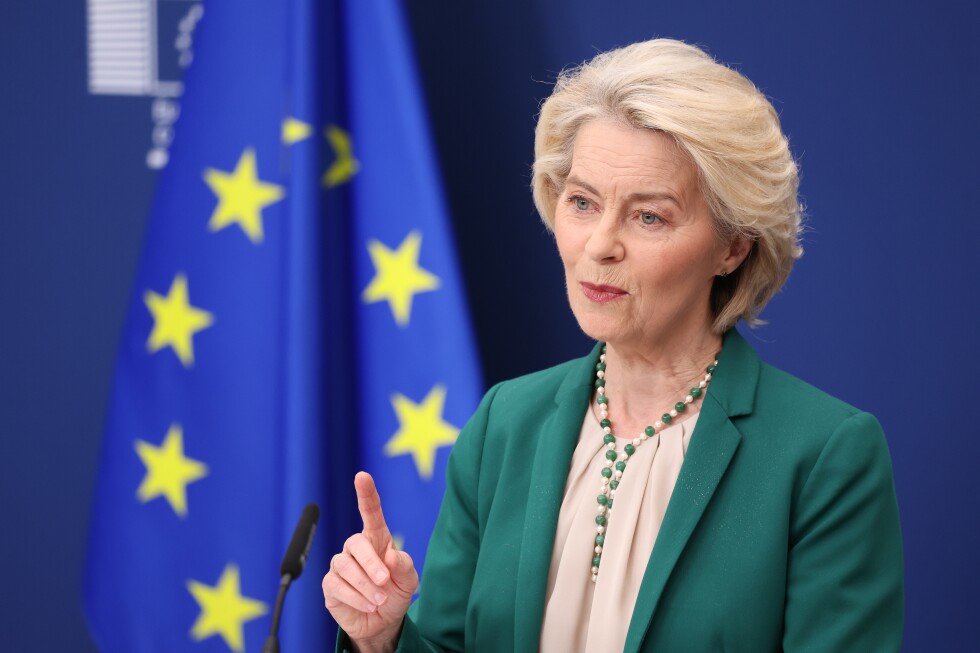
After 25 years of grueling negotiations, the landmark trade agreement between the European Union and South American trade bloc Mercosur has entered into provisional force, marking a historic step toward creating one of the world’s largest trans-Atlantic commercial blocs – though its long-term future remains uncertain due to ongoing legal challenges. The initiative will build a combined market valued at an estimated $22 trillion, serving more than 720 million consumers across two continents. Full implementation by 2038 is projected to lift total exports from participating nations by over 10% compared to current levels. The agreement was formally signed by member states in January this year during a Mercosur leadership summit, but the path to entry into force has been fraught with political friction. European Commission President Ursula von der Leyen’s decision to enact the deal on a provisional basis, bypassing the European Parliament for immediate implementation, has drawn fierce pushback from EU lawmakers, who have brought a challenge against the move to the European Court of Justice. If the court rules in favor of the challengers, the entire agreement will be halted immediately. Ahead of the provisional entry into force, von der Leyen defended the policy in a Thursday statement, framing it as a win for multiple stakeholders across the EU. “This is good news for EU businesses of all sizes, good news for our consumers and good news for our farmers, who will gain valuable new export opportunities, with full protection for sensitive sectors,” she said. On Friday, von der Leyen is scheduled to host a virtual celebration with the heads of government of Mercosur’s four full member states: Brazil, Argentina, Uruguay, and Paraguay. In Brazil, Mercosur’s largest and most influential economy by a wide margin, President Luiz Inácio Lula da Silva – one of the deal’s most prominent backers – signed a national decree earlier this week to formally validate the agreement within Brazilian law. Lula framed the agreement as a deliberate pushback against the unilateral trade tariffs imposed by former U.S. President Donald Trump in 2023, positioning the deal as a powerful reaffirmation of multilateral global cooperation. “Nothing better than believing in the exercise of democracy, in multilateralism, and in cordial relations between nations,” Lula remarked during a celebratory ceremony in Brasilia, marking the end of a quarter-century of on-again, off-again negotiations. Speaking to the Associated Press and other international news outlets last week, Brazilian Vice President Geraldo Alckmin, who has served as one of the lead negotiators for the bloc, warned that rejecting the deal would have condemned Mercosur to economic stagnation as competitor blocs around the world advanced their own preferential trade agreements. “Staying out of this agreement would have meant falling behind, as other nations locked in better access to key global markets,” Alckmin implied. With a projected 2025 GDP of more than $2.3 trillion, Brazil accounts for the vast majority of Mercosur’s total economic output. Lia Valls, an associate researcher at Rio de Janeiro-based leading think tank Fundacao Getulio Vargas, shares Lula’s view that the deal sends a critical signal in an era of rising global unilateralism. “The EU and Mercosur are showing that it is possible for big blocs to reach a deal in this world where that multilateral system is being very weakened and where the U.S. clearly operates to do that,” Valls told the Associated Press. “It is a very positive sign.” For years, the agreement has faced fierce opposition from European farming unions and environmental advocacy groups, which led to a delay in talks last December before the deal was referred to the EU’s top judicial body. Stakeholders on both sides have high hopes for expanded trade, but also harbor lingering concerns about increased competition. South American agribusiness sectors, including beef producers, fruit growers, and mining firms, expect significant export gains to the EU market, while European automakers, pharmaceutical manufacturers, and technology companies anticipate greater access to the fast-growing consumer markets of Mercosur. That said, concerns are widespread on both sides of the Atlantic: Mercosur-based technology and advanced manufacturing firms worry they will be unable to compete with more established, efficient European competitors, while European farmers have raised alarms about downward price pressure and imports produced under weaker environmental and labor regulations than those enforced in the EU. French President Emmanuel Macron, one of the most high-profile European critics of the deal, has long pushed for stricter safeguards to prevent widespread economic disruption to EU domestic sectors, tighter environmental regulations for Mercosur exports (including strict limits on pesticide use), and enhanced customs inspections for goods entering EU ports. To address these concerns, the agreement includes built-in protections: while it will gradually phase out most tariffs and trade barriers between the two blocs, it retains binding economic safeguard clauses that allow European nations to protect sensitive domestic sectors including poultry, beef, sugar, and fruit from excessive import competition.
EU-Mercosur trade deal takes provisional effect, boosting hopes and concerns for millions