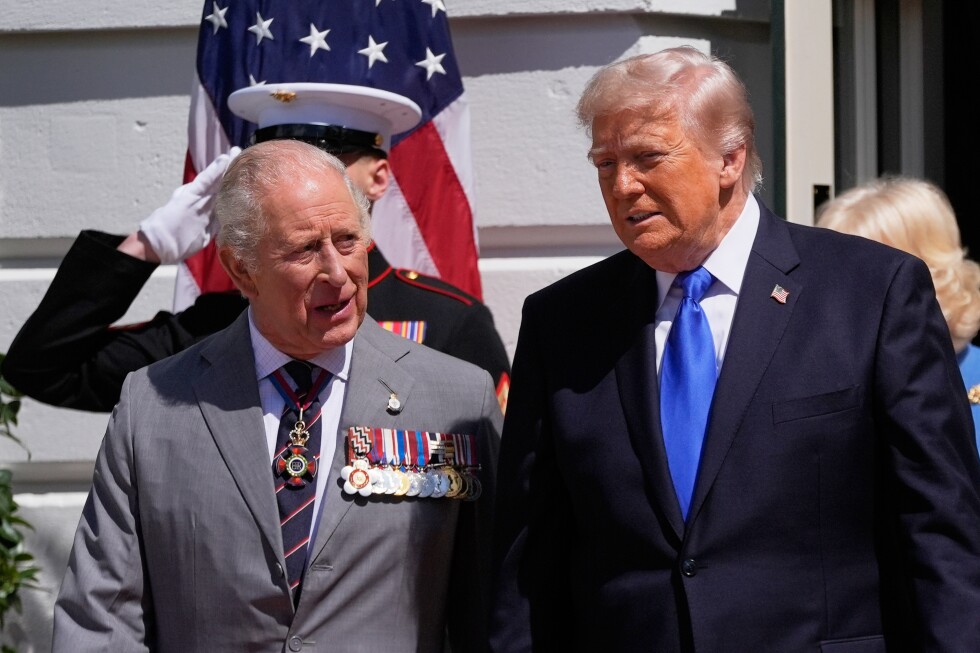
In a social media announcement made Thursday, former U.S. President Donald Trump revealed that he will lift specific tariffs on Scotch whisky, a decision that came just days after King Charles III and Queen Camilla of the United Kingdom completed an official visit to the White House this week.
Trump posted that the British monarch and his wife convinced him to take a step no other political or diplomatic party had managed to push through, noting that the request barely required any formal asking on their part. He added that industry stakeholders across both countries have long pushed for this policy adjustment, particularly surrounding rules surrounding the wooden barrels used to age both Scotch whisky and American bourbon.
This tariff announcement fits a longstanding pattern of the Trump administration using alcohol trade policies as a leverage point in international trade negotiations. Just one year prior, Trump made headlines threatening to impose a steep 200% tariff on imported European wine, a move that would have delivered a devastating financial blow to winemaking operations across France and Italy. That threatened tariff ultimately never took effect.
In response to past U.S. tariff measures, foreign trading partners have repeatedly retaliated with their own targeted tariff threats against American bourbon and other U.S.-made goods. In a previous resolution that eased cross-Atlantic trade tensions, the Trump administration ultimately granted a full tariff exemption for cork, a decision that was widely celebrated by Portugal, the world’s top supplier of the material used to seal most wine bottles.
Following Trump’s social media announcement, Chris Swonger, president and chief executive officer of the Distilled Spirits Council of the United States, confirmed that the policy change would remove the existing 10% tariff on whisky imported from the United Kingdom. In an official statement, Swonger applauded the former president’s move to reinstate what he called a tested “zero-for-zero” framework for fair, reciprocal trade between the U.S. and the UK. He added that the tariff removal will strengthen longstanding transatlantic economic ties, deliver much-needed market stability for spirit producers on both sides of the Atlantic, and create space for industry growth, capital investment, and job support at a time of global economic uncertainty.