Diplomatic developments have intersected with continuing frontline violence in Ukraine this week, after Russian President Vladimir Putin floated a short-term ceasefire proposal to former U.S. President Donald Trump during a Wednesday phone call, drawing a cautious request for details from Ukrainian President Volodymyr Zelenskyy.
According to the Kremlin, Putin suggested the ceasefire would align with Russia’s May 9 Victory Day, the national holiday marking the Soviet Union’s defeat of Nazi Germany in World War II. While senior Putin aide Yuri Ushakov confirmed the ceasefire was discussed during the call, Kremlin spokesperson Dmitry Peskov clarified Thursday that no final agreement or concrete terms have been finalized, with all final decisions remaining with Putin.
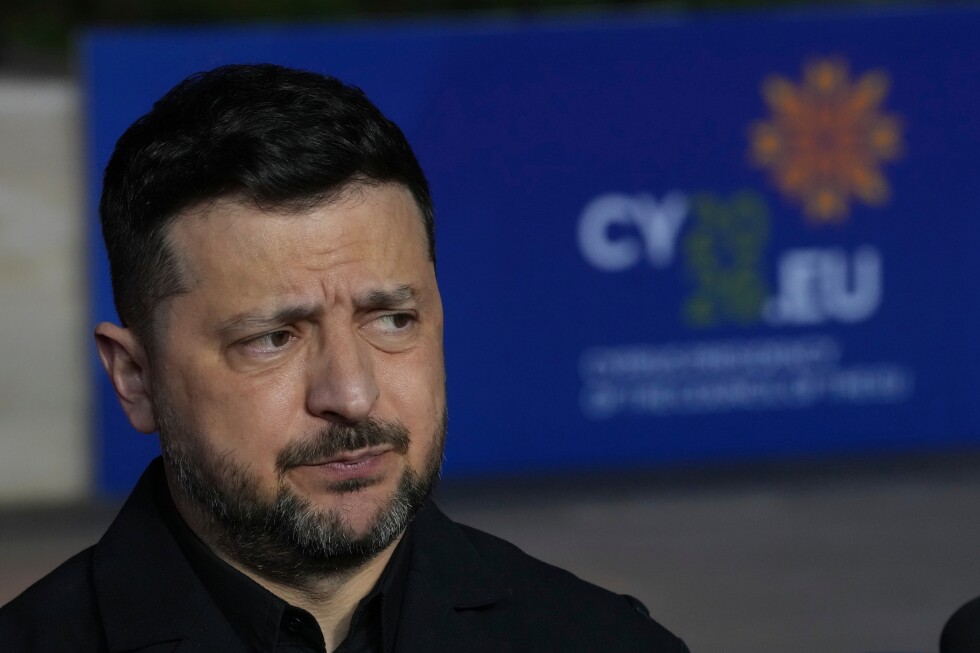
In a public Telegram post Thursday, Zelenskyy announced that Ukrainian diplomatic representatives had been ordered to reach out to Trump’s team to pin down the specifics of the proposal. The Ukrainian leader cast doubt on the plan’s purpose, suggesting it could merely be a temporary security measure for a Moscow parade rather than a meaningful step toward de-escalation, and reiterated Ukraine’s preference for a far longer ceasefire to reduce civilian harm.
Parallel to these diplomatic negotiations, active hostilities have continued unabated across the region. Overnight Russian airstrikes targeted two major Ukrainian cities: in the central city of Dnipro, a drone strike killed one civilian and injured five others, damaging a local shop, residential apartment blocks and parked vehicles, Dnipropetrovsk regional governor Oleksandr Hanzha confirmed. In the southern Black Sea port of Odesa, waves of Russian drone strikes left 20 people wounded. Though Ukrainian air defense forces intercepted a large share of the incoming drones, falling debris and direct hits damaged civilian sites including residential buildings, a hotel, a kindergarten and an administrative building, sparking multiple fires that emergency crews have since contained.
For a second consecutive day, Ukraine has carried out retaliatory drone strikes on industrial infrastructure deep inside Russian territory. A senior Ukrainian security official confirmed Thursday that the country’s Security Service (SBU) targeted the Lukoil-Permnefteorgsintez oil refinery in Perm, a region in the Ural Mountains more than 1,500 kilometers from the Ukrainian border, disrupting operations at the facility. Russian regional governor Dmitry Makhonin acknowledged an industrial site was hit but downplayed damage and reported no casualties. Farther west, in the Krasnodar region, authorities said a two-day fire at the Tuapse Black Sea oil refinery—ignited by a Ukrainian drone strike—has been extinguished, though crude oil products spilled onto local city streets during the blaze.
Ukraine’s Navy also announced a separate overnight strike in the Kerch Strait, which connects the Black Sea and Sea of Azov adjacent to the 2018 Crimean Bridge linking illegally annexed Crimea to mainland Russia. The service said sea drones damaged two Russian vessels: a patrol boat named *Sobol* and a smaller craft named *Grachonok*.
In a separate diplomatic win for Kyiv, a vessel accused of carrying grain stolen by Russia from occupied Ukrainian territories departed Israel’s Haifa Port early Thursday without unloading its cargo, after a week of escalating tension between the two countries. The ship had been anchored off Haifa for several days, but Israel’s largest grain import firm refused to accept the shipment over its disputed origin, the Israel Grain Importers Association confirmed, forcing the Russian supplier to seek an alternative port to unload.
Zelenskyy had threatened to impose sanctions on Israel earlier this week if the vessel offloaded the stolen grain, and Israeli Foreign Minister Gideon Saar noted the country’s tax authority had launched a formal investigation into the shipment. Ukrainian Foreign Minister Andrii Sybiha hailed the outcome, saying it proved the effectiveness of Kyiv’s legal and diplomatic efforts to block the trade of stolen Ukrainian agricultural goods.