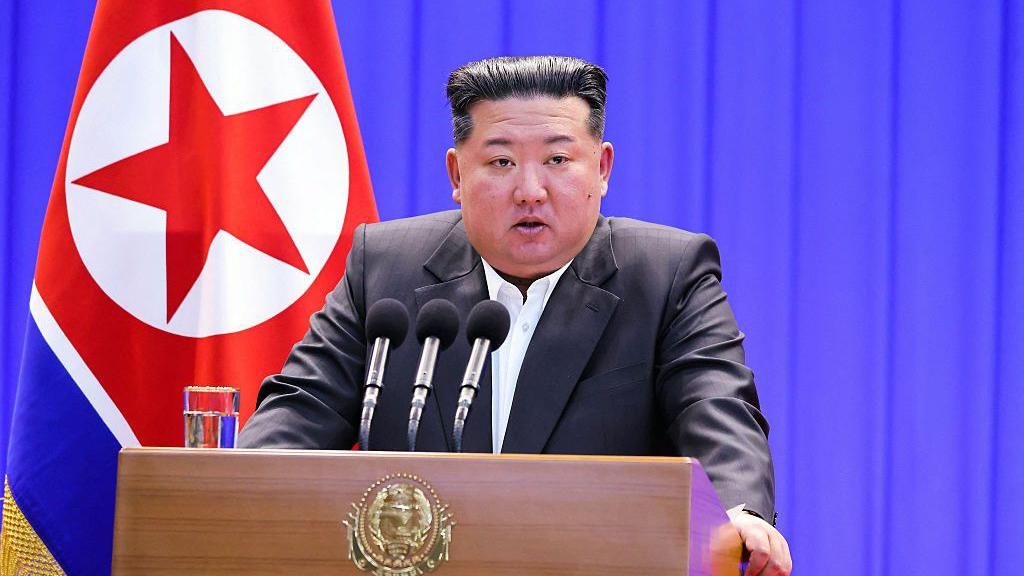
A new report released by the Seoul-founded Transitional Justice Working Group (TJWG) has documented a stark surge in executions in North Korea following the country’s 2020 border closure at the onset of the COVID-19 pandemic, with a total of 358 people confirmed executed between 2011 and the end of 2024.
Compiled from firsthand testimonies gathered from more than 250 North Korean defectors across 51 administrative cities and counties, the report tracks sharp fluctuations in the use of capital punishment over the past 13 years. Executions peaked early in current leader Kim Jong Un’s rule, hitting a high of more than 80 documented executions in 2013. After a landmark United Nations inquiry in 2014 found systemic human rights violations taking place in the country, international pressure pushed the number of executions into a steady decline: between 2015 and 2019, an average of just five executions were recorded annually, with only 44 total executions confirmed in the five years preceding the pandemic.
That downward trend reversed dramatically after Pyongyang shut down all cross-border movement in early 2020 to curb the spread of COVID-19. According to TJWG’s data, at least 153 people were either executed or sentenced to death between January 2020 and the end of 2024—more than three times the pre-pandemic five-year total. In 2020 alone, 54 people were put to death, followed by 45 executions in 2021, marking a drastic break from the low single-digit annual totals recorded just years earlier.
The report identifies the most common charges leading to execution or death sentences tied to religion, unapproved superstition practices, and access to foreign cultural content—most notably South Korean popular media including K-dramas and K-pop. These content types are strictly banned in North Korea, where the ruling regime views the spread of South Korean cultural influence as a direct threat to its ruling ideology. A high-profile 2024 case documented by outside observers saw two North Korean teenagers sentenced to 12 years of hard labor for watching and distributing K-dramas, a public sentencing that underscored the regime’s intensified crackdown on outside cultural access. TJWG counted 29 cases of capital punishment tied to these cultural and religious offenses out of the 144 fully documented cases of execution and death sentencing included in the analysis.
Other common capital offenses included public criticism of Kim Jong Un or the ruling Workers’ Party of Korea, premeditated murder, drug trafficking, and assisting North Korean residents to flee the country. More than 70 percent of all executions recorded in the report were carried out publicly, and the vast majority were conducted by firing squad. TJWG researchers also mapped 46 active execution sites across North Korea that have been used for capital punishments during Kim Jong Un’s time in power.
Founded in Seoul in 2014 by a coalition of human rights activists and researchers from North Korea, South Korea, the United States, the United Kingdom, and Canada, TJWG’s core mission is to document human rights violations and track the use of the death penalty in North Korea through on-the-ground testimonies from defectors. In its official press release accompanying the new report, the organization warned that the country faces a growing risk of further increasing executions as the regime works to consolidate power ahead of a planned fourth hereditary transfer of political power. The group noted that tighter ideological and cultural control will likely be paired with harsher punishments to maintain the ruling establishment’s political dominance.