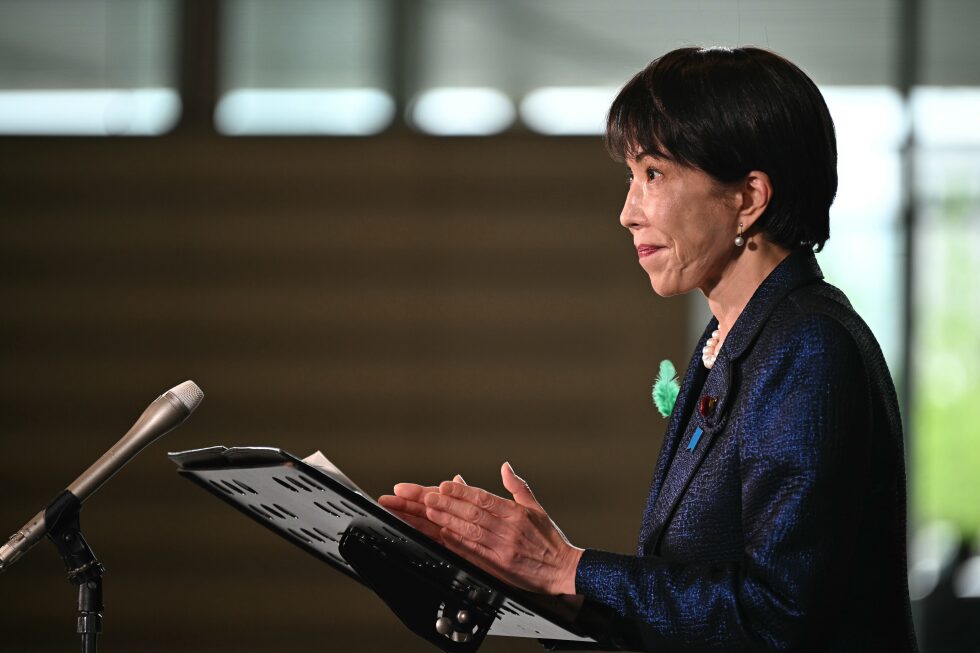
TOKYO – In a landmark move signaling a major shift in Japan’s post-war security posture, Prime Minister Sanae Takaichi officially launched a high-level expert panel Monday to conduct a comprehensive review of the nation’s core security and defense strategies. The initiative comes as mounting geopolitical tensions across East Asia, from intensifying military activity by China to heightened provocations from North Korea and expanded Russian military presence in the region, have pushed Tokyo to accelerate its long-planned military expansion.
Takaichi, who assumed the premiership in October, has positioned defense upgrading as the centerpiece of her administration’s agenda, framing the expanded military capability as a critical deterrent against growing regional threats. In opening remarks delivered at her official residence at the panel’s inaugural meeting, Takaichi emphasized the urgent need to reorient Japan’s defense priorities to counter emerging threats. “The relatively stable post-Cold War international order has become a thing of the past,” she told the gathered experts. “The international situation has completely changed.”
Drawing global lessons from ongoing conflicts, Takaichi argued Japan must adapt its military doctrine to account for new styles of combat, including asymmetric tactics and the widespread use of unmanned drone systems, while building capacity to withstand prolonged large-scale conflicts. “We need to learn the lesson from Russia’s invasion of Ukraine and the ongoing war in the Middle East,” she added. “As the world enters an era of turbulence and Japan faces many challenges, the upcoming revision … is a crucial effort that affects Japan’s fate.”
The security policy review is the latest step in Takaichi’s push to expand Japan’s military reach. Just one week before launching the panel, her cabinet approved a historic rollback of long-standing restrictions on lethal weapons exports, a policy shift that marked a major break from Japan’s post-World War II pacifist framework that restricted the country to self-defense-only military activity. The rollback has been widely praised by the United States and other regional defense allies, who say it will open new avenues for deepening military-industrial cooperation and integrated defense production. However, the move has drawn sharp criticism from domestic pacifist groups and the Chinese government, which argue it deviates dramatically from Japan’s post-war commitment to pacifism.
The 15-member review panel brings together leading specialists in diplomacy, national defense, and economic policy. Over the coming months, the group will examine Japan’s existing defense frameworks against a range of plausible emergency scenarios, evaluate the current defense budget and long-term funding mechanisms, and prepare concrete policy recommendations for revision. Japan’s current national defense strategy, adopted in December 2022, set a target of doubling defense spending to 2% of gross domestic product by 2027, a commitment that totals roughly 43 trillion yen ($270 billion). Takaichi’s administration has already hit that spending target ahead of schedule, leaving analysts widely expecting the panel to consider additional increases to military outlays in its final report.