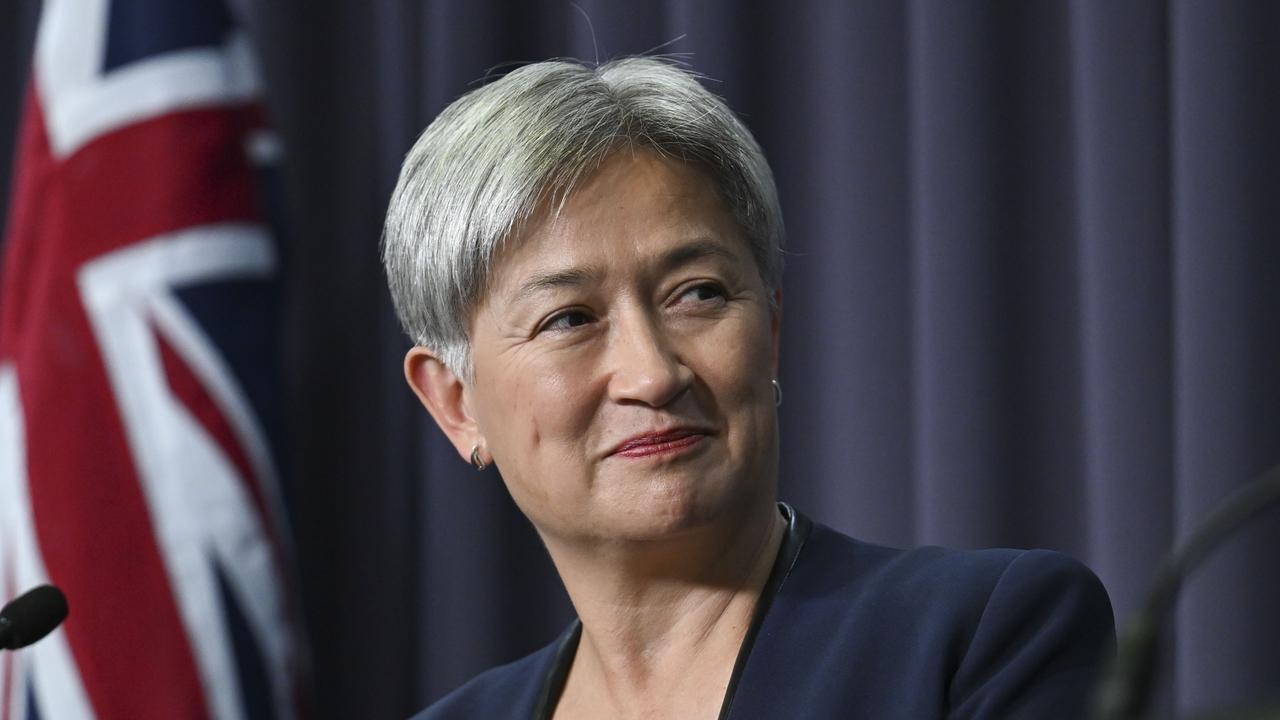
As a fragile ceasefire in Iran holds and global energy markets brace for further volatility, Australia’s Minister for Foreign Affairs Penny Wong is set to embark on a high-stakes regional tour encompassing China, Japan and the Republic of Korea. The journey comes as the Albanese government prioritizes strengthening diplomatic and economic ties across the Indo-Pacific, with a sharp focus on shoring up global and domestic energy security.
This diplomatic push follows closely on the heels of Prime Minister Anthony Albanese’s recent visit to Singapore, Malaysia and Brunei, where he moved to lock in existing fuel supply arrangements critical to Australia’s energy infrastructure. Wong’s tour will build on that foundation, with coordinated engagement designed to address ongoing disruptions flowing from Middle East tensions.
In an official statement ahead of the trip, Senator Wong emphasized that direct, face-to-face dialogue with regional partners is essential to maintaining effective coordination amid unfolding global disruptions. “The Middle East conflict and closure of the Strait of Hormuz continue to disrupt global energy markets, with Asian refineries and the Indo-Pacific region disproportionately affected,” she explained. “Australia will continue working with international partners to help secure the supplies we need – including diesel, petrol and fertiliser – and ensure Australia is prioritised as a reliable energy partner.”
A core milestone of the China leg of the tour will be the eighth iteration of the Australia-China Foreign and Strategic Dialogue, where Wong will meet with her Chinese counterpart Foreign Minister Wang Yi. Senator Wong reaffirmed the Australian government’s commitment to fostering a stable, constructive bilateral relationship with Beijing, noting that this outcome serves the core national interests of both nations. “Australia and China have a Comprehensive Strategic Partnership and benefit from deep economic ties, with our trade relationship underpinning supply chains, investment and livelihoods in both economies,” she said. “Dialogue between our countries enables us to progress the full range of our interests and manage our differences.”
Despite a recent gradual thaw in bilateral relations, tensions remain under the surface. China has implemented new trade protective measures in response to escalating geopolitical risk surrounding the Iran conflict, a move partially driven by the renewed trade war and tariff agenda pushed by former U.S. President Donald Trump. Chinese diplomatic officials have also publicly criticized the Albanese government’s policy of backing U.S. actions related to the Iran conflict.
In Japan, Wong is scheduled to hold talks with Japanese Foreign Minister Motegi Toshimitsu, senior cabinet ministers and leading industry representatives. Agenda items include joint collaboration on energy and fuel security, developments in the Middle East, and other regional issues of mutual concern. Wong described Japan as a close ally and shared partner in advancing a free, open, inclusive and resilient Indo-Pacific.
The final stop on the tour will see Wong travel to the Republic of Korea, a critical trade partner that ranks among Australia’s most important suppliers of refined fuels, including diesel, gasoline and aviation fuel. Discussions in Seoul will focus on reinforcing supply chain stability and expanding energy cooperation amid ongoing global market uncertainty.