PRAGUE — In a landmark move that advances the development of next-generation nuclear energy across Central Europe, Czech energy utility ČEZ has finalized a new agreement with British firm Rolls-Royce SMR, tasking the company with carrying out preliminary engineering and administrative work for the Czech Republic’s first small modular nuclear reactor (SMR).
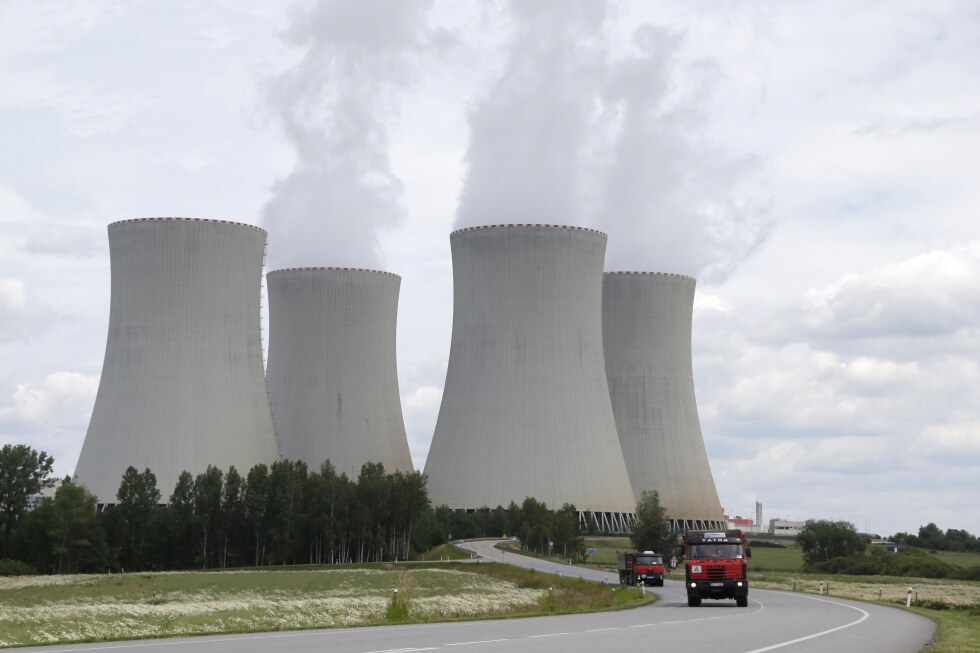
Daniel Beneš, chief executive officer of ČEZ, confirmed Friday that the scope of the initial work covers core project planning and the compilation of all licensing documentation required to secure official building permits for the facility. Per ČEZ’s current timeline, the firm targets securing all necessary regulatory approvals for the SMR project by the end of the decade, with construction set to take place on an existing plot of land at the Temelín nuclear power complex, the country’s second operational large-scale nuclear site.
The deal marks the latest international expansion of Rolls-Royce SMR’s SMR portfolio, following a contract signed in mid-April with Great Britain Energy – Nuclear, the UK government’s nuclear development agency, to launch design work for the UK’s first domestic SMR fleet. Beneš noted that the Czech reactor will be the British company’s second completed SMR project, coming after the delivery of the first operational unit in the UK.
ČEZ already holds a 20% stake in Rolls-Royce SMR, and the two firms established a broader strategic partnership that aims to deploy up to 3 gigawatts of new SMR-generated generation capacity across the Czech Republic over the coming decades. The Czech state currently maintains a nearly 70% controlling stake in ČEZ, and the national government has been moving forward with plans to acquire the remaining outstanding shares to take full ownership of the country’s largest energy provider.
Unlike conventional large-scale nuclear reactors, which typically produce upwards of 1 gigawatt of power each, small modular reactors are designed to generate smaller, more flexible output. Proponents of the technology argue that SMRs can be constructed far more quickly than traditional reactors, come with lower upfront capital costs, and can be scaled incrementally to match local energy demand requirements.