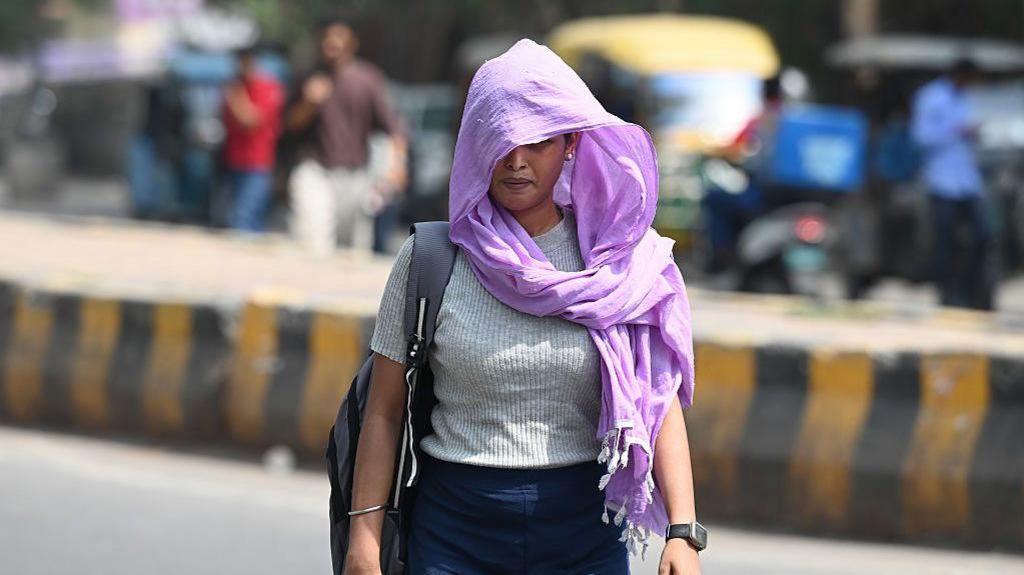
As India enters the peak of its pre-monsoon summer season, the country’s official meteorological department has issued an urgent heatwave warning for swathes of northern, central and western India, with the national capital Delhi bracing for severe extreme heat conditions over the coming weekend.
The alert follows a record-breaking hot day on Thursday, when thermometers in multiple parts of Delhi pushed past the 40-degree Celsius mark, marking one of the highest daily temperature readings recorded in the city so far this year. Forecasters added that abnormal above-average temperatures will persist across Madhya Pradesh and Rajasthan, two large states in central and western India, for at least the next 48 to 72 hours, with temperatures projected to climb an additional 2 to 3 degrees Celsius across northern and central regions by Friday.
Extreme summer heat is a life-threatening hazard across India, where prolonged exposure to scorching conditions triggers a range of heat-related illnesses that have claimed hundreds of lives in severe heatwave seasons in recent years. In response to the rising risk, Delhi’s education department moved earlier this week to implement protective guidelines for schools across the capital. The new rules require schools to suspend all outdoor open-air classes, limit or move large daily school assemblies indoors, and install regular hydration reminders, with bells scheduled to ring every 45 to 60 minutes to prompt students to drink water.
The looming heatwave also underscores the growing impact of human-caused climate change on India’s weather patterns, according to recent research. A 2024 analysis published in the leading medical journal *The Lancet* found that nearly one-third of all heatwave days recorded across India in 2024 were directly attributable to long-term global warming driven by climate change. The research also quantified the massive economic toll of rising heat: in 2024 alone, excessive heat exposure cost India an estimated 247 billion potential labor hours, most lost in the high-exposure agriculture and construction sectors, adding up to a total economic loss of roughly $194 billion (around £151 billion).
Public health experts warn that prolonged exposure to extreme heat overwhelms the human body’s natural temperature regulation system, creating severe health risks that can turn fatal for vulnerable groups. Common complications include dehydration, heatstroke, and heightened cardiovascular stress, with outdoor laborers, elderly residents, infants and young children facing the highest risk of severe outcomes. Beyond health impacts, extreme heat also exacerbates existing infrastructure gaps, with vulnerable communities in informal urban settlements facing heightened water shortages as demand for drinking water surges during heatwaves.