In a striking contradiction that lays bare the fragility of cross-border calm in the Middle East, former U.S. President Donald Trump has announced a three-week extension of a fragile truce between Israel and Hezbollah in Lebanon — even as Israeli bombing raids continued to target Lebanese territory on the day of the announcement.
Trump made the extension public via a post on his Truth Social platform, shortly after hosting a high-level diplomatic meeting at the White House with Yechiel Leiter, Israel’s ambassador to the United States, and Nada Moawad, Lebanon’s envoy to Washington. The talks came just hours after a new wave of Israeli strikes across Lebanon left seven people dead, among them a working journalist.
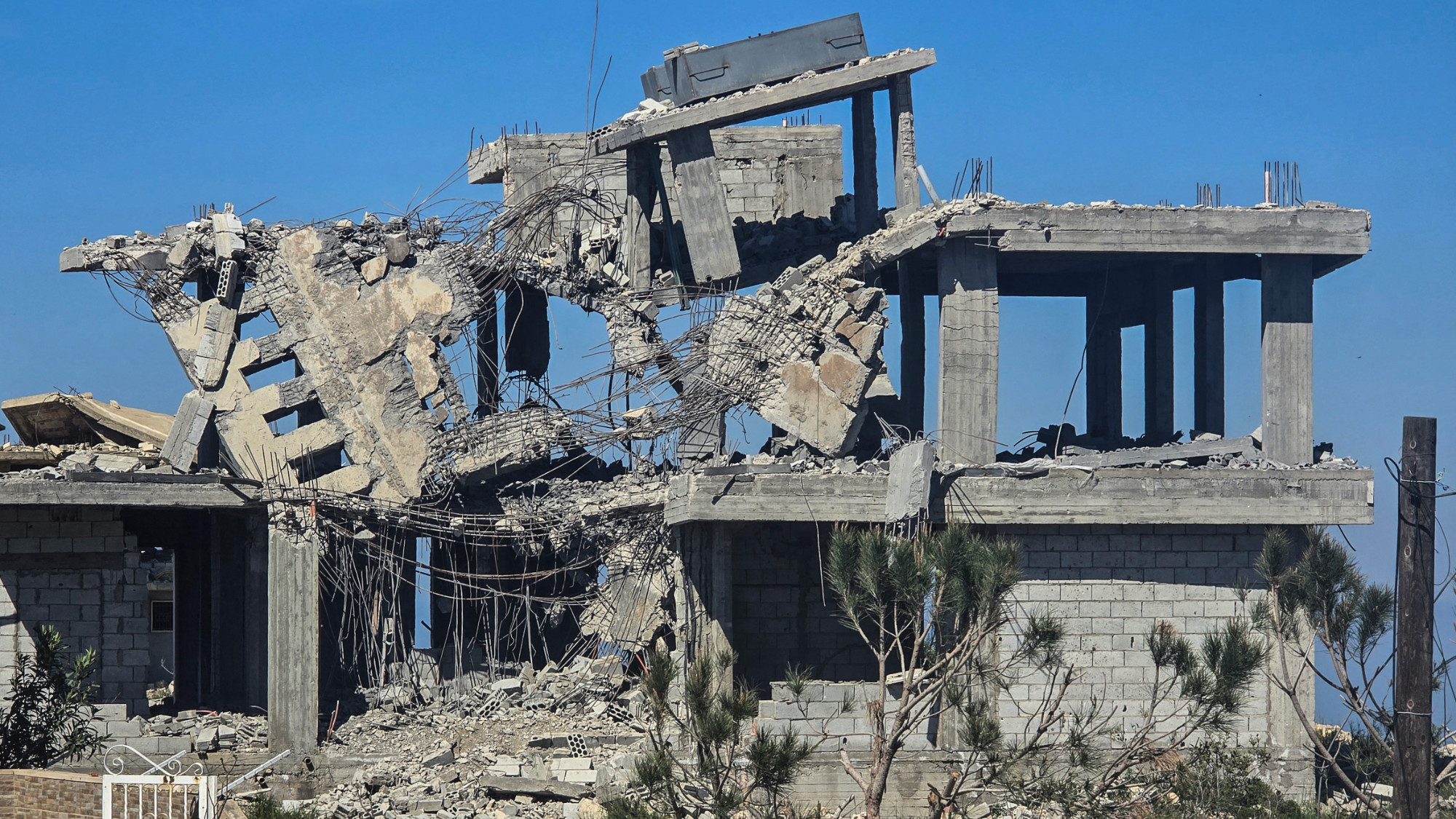
The additional three weeks will stretch the fragile 10-day truce reached last May into mid-month, offering a tentative window for U.S.-brokered negotiations to continue toward a long-term settlement. But the ceasefire has been marked by near-constant violations from both sides since it first took effect. Even as the Washington meeting was underway, exchanges of fire continued across the Israel-Lebanon border. Israel has persisted with air assaults, ground incursions, and home demolitions in southern Lebanon, and earlier this week, the Lebanese armed group Hezbollah responded by launching a barrage of rockets and drones targeting Israeli positions.
Shortly after the extension was made public on Friday morning, Lebanese state media reported new Israeli air strikes and artillery shelling targeting the outskirts of four areas in southern Lebanon: Majdal Zoun, Touline, Kherbet Selem, and the al-Rihan highlands.
The ceasefire extension forms part of ongoing U.S. mediation efforts between the Israeli government and Lebanese national authorities. Speaking to reporters on Thursday, Trump said he anticipates that Israeli and Lebanese leaders will travel to Washington to meet with him in the coming weeks, adding that he holds out hope for a permanent, comprehensive peace agreement before the end of the year. “I think there’s a very good chance of having peace. I think it should be an easy one,” Trump told reporters.
Not all key stakeholders have signed on to the diplomatic process, however. Hezbollah, the primary Lebanese armed group that has led months of fighting against Israeli forces in southern Lebanon, has explicitly rejected the U.S.-led talks.
Lebanese Prime Minister Nawaf Salam outlined his government’s core non-negotiable demand in an interview with The Washington Post: any final peace deal must include the full withdrawal of all Israeli forces from southern Lebanon, including from the contested buffer zone Israel has unilaterally declared inside Lebanese territory.
The current round of full-scale open hostilities dates back to March 2, when Israel restarted large-scale military operations in Lebanon. This followed more than a year of repeated ceasefire violations after a temporary truce between Israel and Hezbollah was reached in November 2024. Since resuming its offensive, Israeli ground forces have pushed several kilometers into southern Lebanese territory, establishing a self-declared 10-kilometer buffer zone inside Lebanese borders. Israeli troops remain deployed across this area, and all Lebanese civilians have been barred from returning to their native villages in the zone.