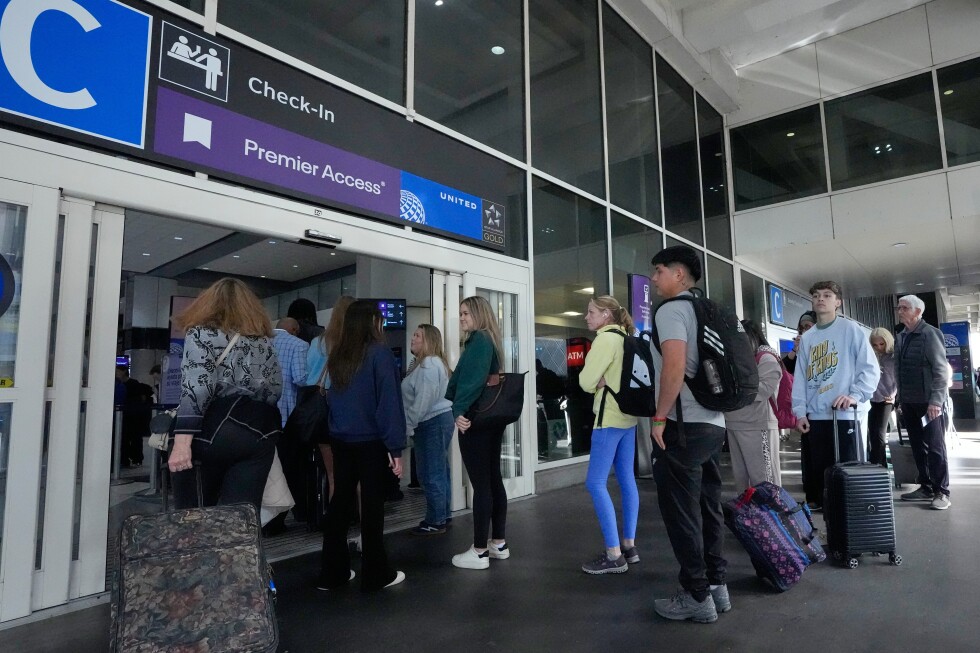
A wave of flight cancellations is spreading across the globe, sparked by jet fuel supply strains and sharp price hikes tied to ongoing conflict in the Middle East – and the ripple effects are leaving travelers navigating inconsistent, confusing rules for compensation and rebooking that shift dramatically depending on their departure and destination regions. What makes this wave of disruptions particularly impactful is its timing: it comes as the summer travel season begins to ramp up, with high-profile global events set to put additional strain on already stretched airport and airline infrastructure.
“These pressures are arriving at a time when summer travel demand is ramping up, with major events such as the World Cup expected to put additional strain on airports,” explained Eric Napoli, chief legal officer at AirHelp, a passenger rights advocacy organization that supports travelers seeking compensation for disrupted travel plans.
Unlike sudden weather-related cancellations that often leave passengers stranded with little advance notice, most fuel-linked flight cuts are being announced weeks or months ahead of schedule to give travelers time to adjust plans. German aviation giant Lufthansa Group, for example, recently confirmed it would cut 20,000 short-haul flights across its entire network through October, one of the highest-profile industry adjustments to date.
If your flight is canceled, industry experts say the first step is to check your carrier’s official digital channels immediately. For passengers flying with U.S.-based airlines, the airline’s app or website typically offers the fastest, most streamlined path to rebooking, according to Tyler Hosford, security director at International SOS, a leading global risk and travel security firm. For non-U.S. carriers, however, digital self-service tools are often less robust, so Hosford advises travelers to pursue multiple channels simultaneously, including dedicated customer service phone lines and in-person assistance at airport check-in desks.
In nearly all cases, passengers are guaranteed at minimum a choice between a full refund or a rebooking on the next available flight, though exact regulatory requirements differ by country. For example, under U.S. consumer protection rules, if a cancellation leads a passenger to choose to abandon their trip entirely, the airline is legally required to issue a full cash refund, regardless of the reason for the cancellation. While carriers may offer travel credits as an alternative, passengers are legally entitled to full repayment for unused airfare and add-on fees, including checked bag charges and paid seat upgrades.
Passenger protection rules are not uniform across the world, ranging from the cross-border liability standards set by the Montreal Convention, which applies to over 140 countries, to individual national regulatory frameworks in the U.S., Canada, the EU, UK, Turkey and Brazil.
Europe boasts some of the strongest passenger protections globally, including mandatory compensation for eligible disrupted flights. These rules apply to all flights departing from any EU airport, regardless of where the airline is based, as well as all inbound flights to the EU operated by EU-based carriers, even for journeys starting outside the bloc. The United Kingdom retains a nearly identical regulatory structure to the EU.
By comparison, the U.S. and Canada offer far more limited statutory protections for passengers facing cancellations. Across Asia, rules vary wildly from country to country, and in many markets, travelers must rely on individual airline policies rather than binding formal government regulations. To avoid confusion, experts recommend researching the passenger rights rules of your departure country before starting your trip.
The question of whether you are entitled to additional compensation beyond rebooking or refund usually hinges on whether local regulators classify the disruption as within the airline’s control. Even if airlines cite fuel shortages or price spikes as the reason for cancellation, Napoli notes that EU regulations still require carriers to fulfill their duty of care to stranded passengers, which includes providing necessary support such as accommodation, meals and rebooking assistance.
“While airlines are citing fuel shortages as a reason for upcoming cancellations, travelers need to know that this does not automatically waive their rights” under EU laws, Napoli emphasized.
To minimize stress and complications if disruptions occur, travel experts recommend a handful of proactive steps before your departure. First, always sign up for official flight alerts from your carrier to get real-time updates, and book your ticket directly through the airline rather than third-party online travel agencies: resolving issues directly with the carrier is far faster and simpler than going through an intermediary. Mapping out backup options ahead of time can also cut down on stress if your original plans fall through.
If you need to file a compensation claim or formal complaint, thorough documentation is non-negotiable. Travelers should save every relevant document, including original boarding passes, receipts for extra expenses incurred due to the cancellation, official cancellation notices, and all communication with airline representatives. Experts advise taking screenshots of all digital updates and messages, writing down key details from phone calls with customer service, and requesting a written confirmation of the disruption from the airline that includes the official stated reason for the cancellation.
One common mistake travelers make is accepting the first alternative flight offered by the airline without exploring other options. Experts advise checking other flights, alternate routes, and even nearby airports to find a faster or more convenient connection that fits your schedule.
If the airline’s offered rebooking does not meet your needs – particularly if the next available flight is days after your original departure – you are permitted to book an alternative flight independently and request a refund from the original airline. However, travelers should be aware that they will likely need to cover any fare difference upfront, and there is no guarantee that the difference will be reimbursed later.
Additional practical tips to avoid getting stuck include booking the earliest flight possible on your travel day, which leaves more time to rebook the same day if your flight is canceled; setting up independent flight alerts through third-party tracking apps like Flighty, which often notify users of cancellations or delays before the airline sends out an official alert; and maintaining a calm, polite demeanor when interacting with airline staff, who are far more likely to go out of their way to help respectful passengers.
“Ultimately, the shortage is squeezing the entire system, from travelers to airlines, and is something to watch as the industry looks for any relief ahead of the summer travel season,” Napoli said.