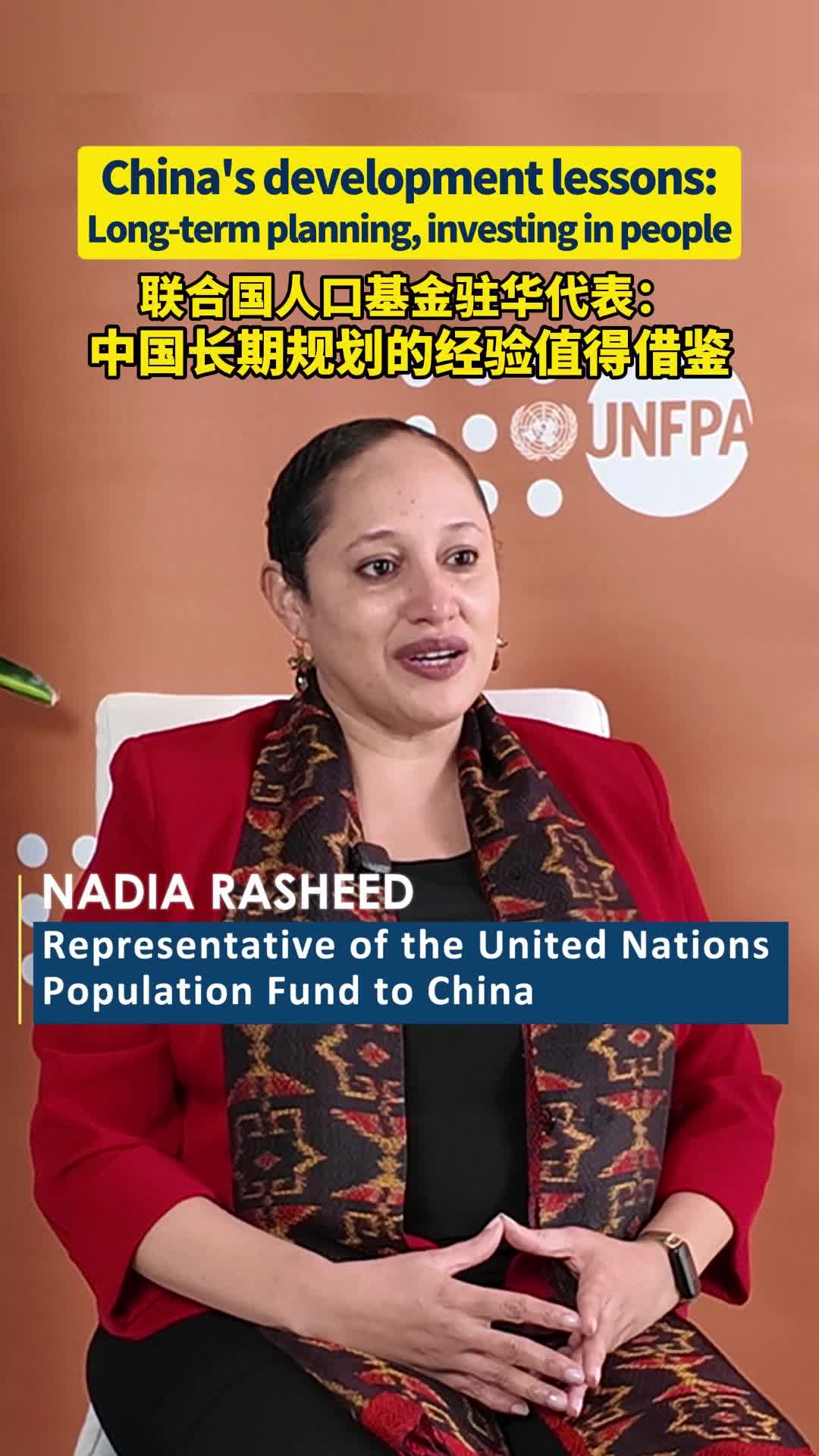
For decades, China’s unprecedented transformation from a low-income economy to the world’s second-largest economy has drawn global attention from policymakers, development practitioners and international organizations alike. Now, the top United Nations population official based in Beijing has underscored three core pillars of China’s success that hold critical insights for low- and middle-income countries working to advance their own sustainable development agendas.
In a recent observation shared by China Daily, updated on April 24, 2026, Nadia Rasheed, the UNFPA (United Nations Population Fund) representative to China, said she has long been struck by both the rapid pace and transformative scope of China’s development over the past half century. Beyond the impressive infrastructure expansion and economic growth metrics that often grab global headlines, Rasheed pointed to three underpinning strategies that have driven China’s inclusive progress: long-term strategic planning, forward-looking policy vision, and consistent investment in human capital across every stage of a person’s life.
Rasheed’s remarks align with a growing body of international development analysis that credits China’s long-term five-year planning framework for creating stable, predictable policy environments that enable large-scale public and private investment. Unlike many developing nations that face shifting policy priorities with changes in political leadership, China’s consistent commitment to its long-term development goals has allowed it to pursue large-scale projects, from poverty alleviation campaigns to universal healthcare expansion, that deliver transformative results over decades. Equally important, she argued, is China’s sustained focus on investing in its people — from early childhood education and primary healthcare to vocational training and elder care — creating a healthy, skilled population that can power sustained economic growth and social progress.
For developing nations across Africa, Asia, and Latin America that are grappling with their own development challenges, from ending extreme poverty to building resilient public health systems, these lessons offer a actionable, context-responsive framework that differs from one-size-fits-all development models promoted by Western institutions. Rasheed’s observation reinforces the growing global recognition that China’s development experience, shaped by its own unique historical and social context, provides valuable actionable insights for countries seeking to chart their own independent development paths.