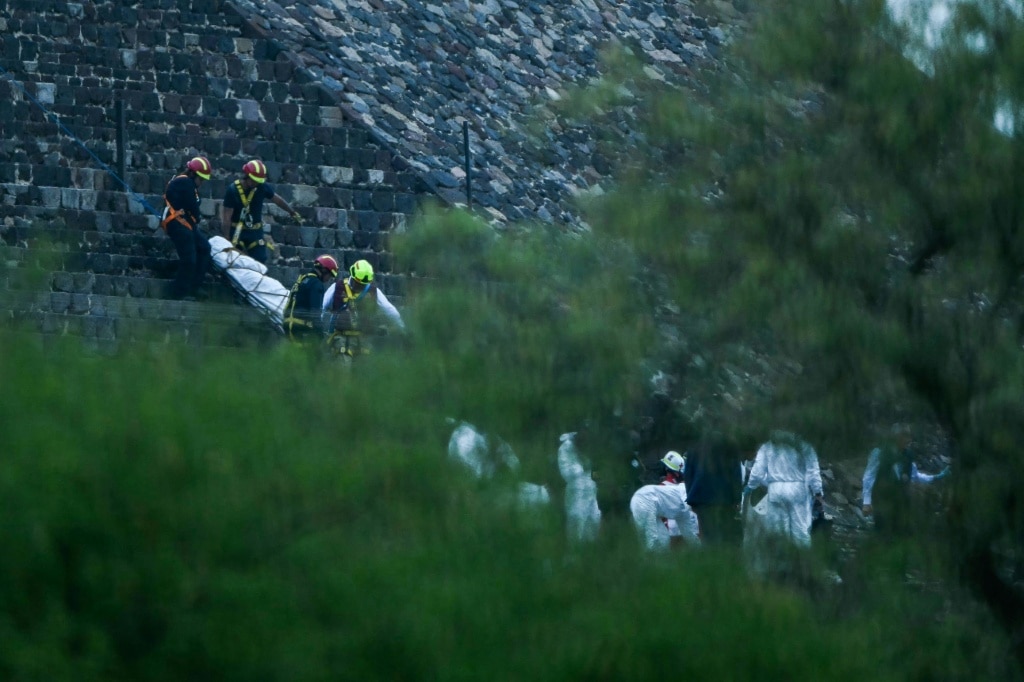
On the 27th anniversary of one of the most infamous mass shootings in United States history, a lone gunman launched a deadly attack at Mexico’s iconic Teotihuacan archaeological site, leaving one person dead and more than a dozen injured before turning the gun on himself. New details emerging from official investigations reveal the 27-year-old attacker, Julio Cesar Jasso Ramirez, drew ideological inspiration from two starkly different sources: the 1999 Columbine High School massacre and ancient pre-Hispanic ritual human sacrifice.
The violence unfolded on a Monday at the UNESCO-recognized pre-Columbian heritage site, a top global tourist destination located roughly 50 kilometers outside of Mexico City. By the end of the rampage, a Canadian tourist was dead, 13 other people had sustained injuries, and the attacker had died by suicide. In the days following the incident, Mexico State Prosecutor Jose Luis Cervantes Martinez outlined key findings from the ongoing probe, confirming Jasso Ramirez, a Mexico City resident, spent months carefully plotting the attack.
According to Cervantes, the gunman made multiple scouting trips to the archaeological site in advance, booked stays at nearby hotels to survey the area, and mapped out his violent plan long before the scheduled date of the attack. Investigators quickly uncovered clear, chilling links between the Teotihuacan attack and the 1999 Columbine massacre, which killed 12 students and one teacher and wounded 20 others in Colorado, and fell on the exact same calendar date 27 years before Jasso Ramirez’s attack.
“The collected evidence reveals a psychopathic profile of the attacker, characterized by a tendency to copy situations that happened in other places at other times by other people,” Cervantes told reporters at a Tuesday press conference.
Investigators found multiple pieces of evidence tying the gunman directly to the Columbine attackers, Eric Harris and Dylan Klebold. Among Jasso Ramirez’s personal belongings, authorities discovered an AI-generated image depicting the Mexican gunman posing alongside Harris and Klebold. The shirt he wore to carry out the shooting also matched the style of the trench coats worn by the two Columbine perpetrators.
Witness testimony has also shed light on why the attacker specifically chose the Teotihuacan site for his violence, pointing to a fascination with pre-Columbian ritual sacrifice. Jacqueline Gutierrez, an American tourist who was visiting the pyramids with her family and partner when the shooting broke out, recalled the gunman shouting that the site was a place for sacrifice, not sightseeing photos. He also explicitly referenced that the day marked the Columbine massacre anniversary, Gutierrez told Mexican broadcaster Milenio.
Gutierrez described the 14-minute attack as a period of unmitigated terror, with visitors trapped on the pyramid structure with no route for escape. “We couldn’t move or we’d fall down the pyramid…if he had wanted to kill us all, he would have,” she said, adding that Jasso Ramirez told witnesses he had spent three years planning the attack.
Investigators have so far confirmed that Jasso Ramirez acted entirely alone, with no known collaborators or extremist group ties. A search of his belongings turned up a collection of written materials referencing notorious mass attacks and violent figures linked to this type of criminal violence, further supporting the conclusion that the incident was an act of lone-wolf copycat violence.