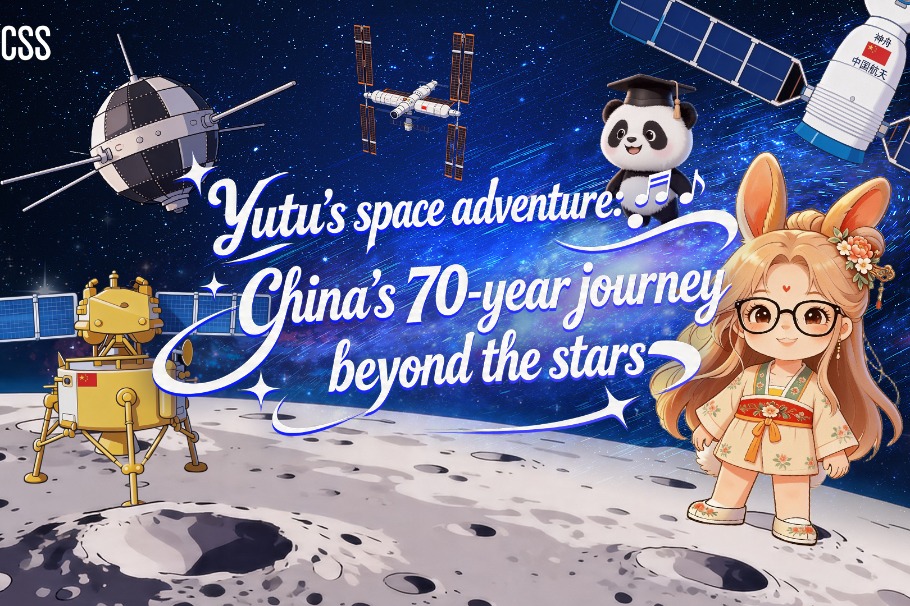
In 2026, the global space community marks a historic milestone: the 70th anniversary of China’s ambitious space program, a decades-long venture that has transformed the country from a latecomer in space exploration to a leading global player in the final frontier.
Across these 70 years, China has steadfastly pursued a trajectory of development rooted in independent innovation, turning early limitations in infrastructure and technical knowledge into world-leading expertise through consistent investment, domestic research, and a long-term vision for cosmic discovery. Unlike many space-faring nations that relied on international collaboration in their formative stages, China chose to build its space ecosystem from the ground up, nurturing homegrown talent, developing proprietary launch and exploration technologies, and setting incremental, achievable goals that built a strong foundation for more ambitious missions later.
The journey began in 1970 with the breakthrough launch of Dongfanghong 1, China’s first indigenously developed and built satellite. That successful orbital insertion marked China’s formal entry into the space age, proving that the country could design, build, and launch a functional satellite entirely on its own. In the decades that followed, each new achievement built on the last: the nation mastered human spaceflight, becoming only the third country in the world to independently launch crewed missions to orbit, and established a permanent space station that now hosts regular scientific research from international partners. More recently, landmark lunar exploration missions, including the Yutu rover that gave the anniversary celebration its namesake, have delivered unprecedented data about the far side of the Moon, a region of the lunar surface that had remained unstudied for the entire history of space exploration before China’s Chang’e 4 mission.
Today, as the nation reflects on 70 years of progress, China’s space program stands as a testament to the power of sustained commitment to scientific innovation, opening new avenues for international collaboration while continuing to push the boundaries of human knowledge about our solar system and beyond.