BEIJING – In a targeted move to address widespread complaints from manufacturing enterprises over inflexible regulatory practices, three top Chinese government agencies have jointly released new policy guidelines aimed at eliminating rigid, uniform law enforcement surrounding factory ventilation requirements.
The new framework, issued by the Ministry of Justice, the Ministry of Ecology and Environment, and the Ministry of Emergency Management, was developed in direct response to repeated reports from businesses across the country that local enforcement officials often imposed contradictory, one-size-fits-all rules forcing factories to either keep all production windows permanently open or fully closed, regardless of individual operational circumstances.
Under the newly published guidelines, uniform blanket requirements are set to be replaced with context-appropriate regulation tailored to different factory setups. For production facilities that release airborne pollutants but cannot fully enclose or seal their work areas, law enforcement officers are no longer permitted to issue simple mandatory orders to keep all windows closed. Instead, regulators are required to allow alternative mitigation strategies, including switching to lower-emission raw materials and implementing targeted local exhaust gas management systems to control pollution.
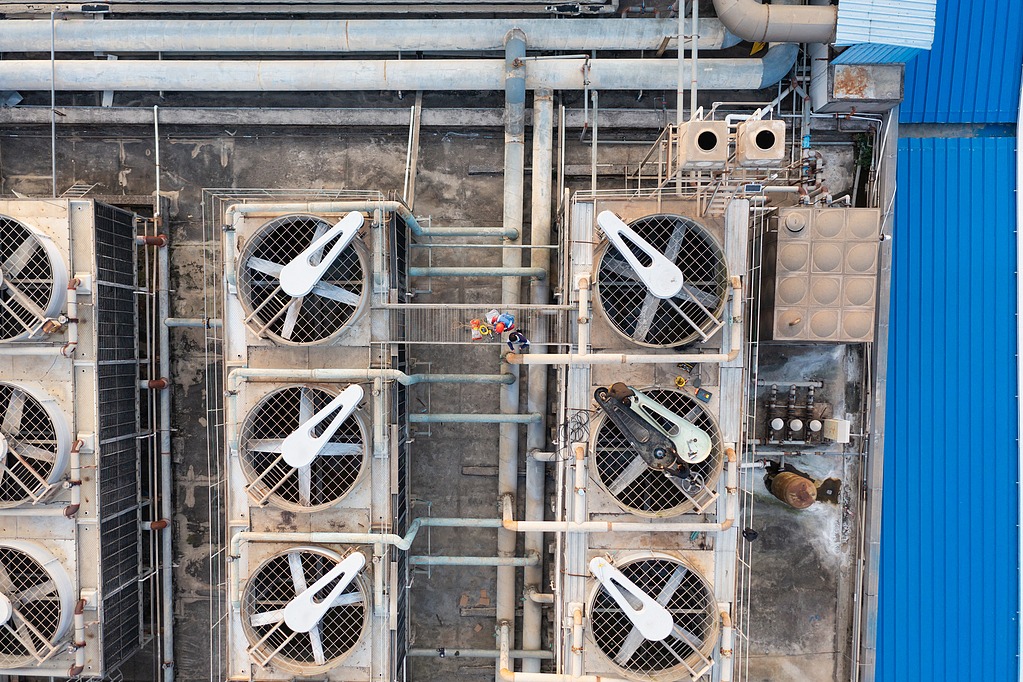
For factories that operate in fully enclosed or sealed workspaces, the guidelines also ban rigid mandatory orders requiring windows to be kept open at all times. If hazardous airborne substances in these enclosed environments exceed official safety thresholds, facilities are directed to install professional ventilation solutions such as interlocked fan systems that meet regulatory requirements, rather than relying on arbitrary window-opening rules that do little to improve worker safety or reduce pollution.
Beyond revising ventilation-specific rules, the policy calls on local regulatory authorities across China to refine their understanding of enforcement standards by accounting for the unique operational characteristics of enterprises in different industrial sectors. It also mandates expanded professional training for frontline law enforcement personnel to reduce the incidence of rigid, noncontextual enforcement that unnecessarily disrupts legitimate production activities.