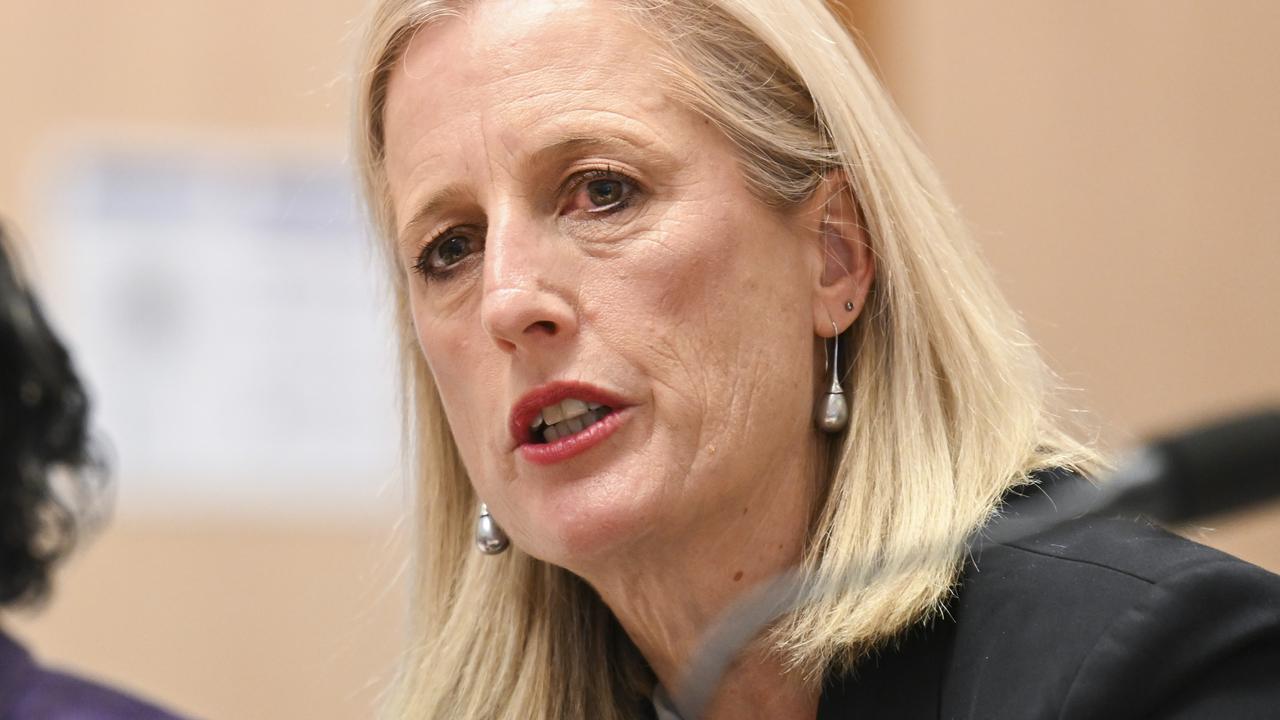
As the countdown to Australia’s May 12 federal budget ticks onward, speculation over potential reforms to the nation’s capital gains tax (CGT) framework has intensified, leaving Finance Minister Katy Gallagher dodging repeated questions about the Albanese government’s exact plans. Recent media reports have shifted public expectations, indicating Treasurer Jim Chalmers is not pushing for a full scrapping of the current 50% CGT discount — a signature policy of the 1999 Howard government — but rather a scaled-back adjustment that would revert the system to an inflation-adjusted model last used during the Keating era.
The current flat 50% discount applies to nominal capital gains, meaning it reduces tax on the full stated increase in an asset’s value regardless of whether that gain is eroded by inflation. By contrast, the Keating-era model would only tax gains that represent a real increase in value after accounting for rising consumer prices, a structure that changes how tax burdens are calculated for asset holders.
Calls for a full repeal of the existing discount have grown in recent months, driven by a Greens-led Senate inquiry that published its findings in March. The inquiry concluded the current CGT concession skews Australia’s housing market toward property investors, puts home ownership further out of reach for young and low-income Australians, disproportionately delivers tax savings to the nation’s wealthiest households, and distorts investment flows away from productive sectors of the economy. Analysis from the Parliamentary Budget Office, commissioned for the inquiry, found the discount will cost the federal budget a staggering $247 billion in foregone revenue over the next decade.
These findings have dovetailed with Chalmers’ public framing of the upcoming May budget, which the Treasurer has repeatedly said will center on addressing intergenerational inequity — a policy priority that has fueled widespread speculation the government would eliminate the Howard-era CGT settings entirely. But when pressed on the government’s deliberations during an interview with ABC’s Radio National on Monday, Gallagher declined to offer any details ahead of the budget’s official release.
“The budget will be released in that second week of May, and that will have all the decisions the government has made,” Gallagher told reporters. “I mean, I think the Treasurer and PM have made it clear our tax policies haven’t changed. I think we’ve made it clear we want to focus on intergenerational equity. And so, you know, we’ve been clear about that, but the announcements around that will be made in the budget.”
As of Monday, the government has not confirmed whether the revised inflation-adjusted model reported by Nine Newspapers will be included in the final budget, leaving policymakers, investors and householders waiting for formal details when the budget is delivered in just a few weeks.