In a major development that calms one of the world’s most critical energy chokepoints, Iran and the United States announced Friday that the Strait of Hormuz — the waterway through which roughly one-quarter of all global oil shipments pass — will resume full commercial passage for all vessels during an ongoing ceasefire period, just days after heightened military tensions between the two nations and an Israel-US strike on Iranian targets.
Iranian Foreign Minister Abbas Araghchi confirmed the move in a post on X, noting that the decision aligns with the broader ceasefire agreement reached for neighboring Lebanon. “The passage for all commercial vessels through Strait of Hormuz is declared completely open for the remaining period of ceasefire, on the coordinated route as already announced by Ports and Maritime Organisation of the Islamic Rep. of Iran,” Araghchi wrote.
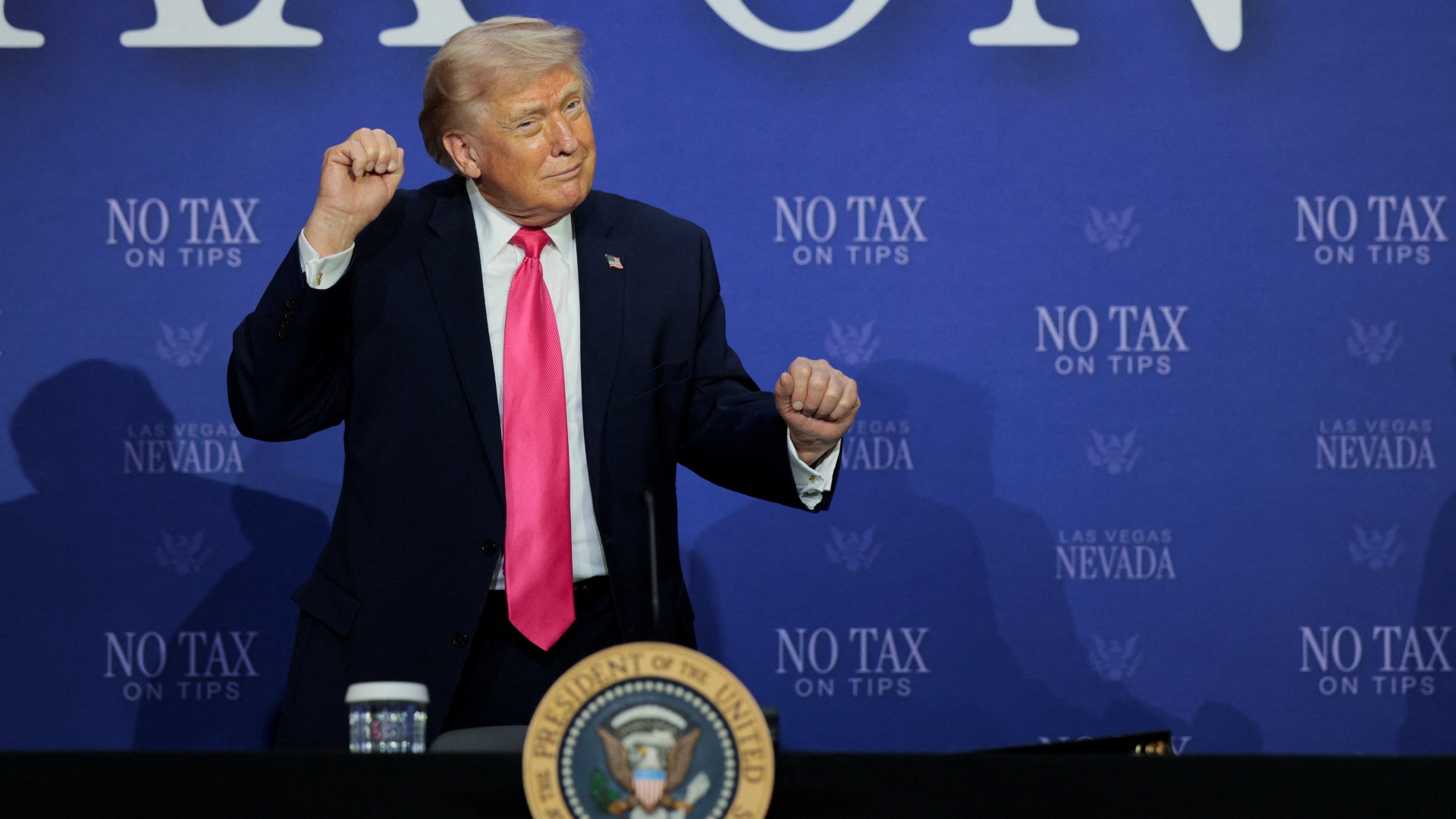
US President Donald Trump hailed the announcement as a landmark win for the global community in a series of posts on his Truth Social platform, calling it “A GREAT AND BRILLIANT DAY FOR THE WORLD!”
Trump clarified that while all commercial traffic is permitted to transit the strait, the unilateral US naval blockade targeting Iranian oil exports, implemented earlier this week, will remain in effect until all terms of the bilateral agreement between Washington and Tehran are fully finalized. “THE STRAIT OF HORMUZ IS COMPLETELY OPEN AND READY FOR BUSINESS AND FULL PASSAGE, BUT THE NAVAL BLOCKADE WILL REMAIN IN FULL FORCE AND EFFECT AS IT PERTAINS TO IRAN, ONLY, UNTIL SUCH TIME AS OUR TRANSACTION WITH IRAN IS 100% COMPLETE,” he wrote, adding that most core terms have already been negotiated and the finalization process is expected to move rapidly.
The US president also claimed Iran had committed to a permanent, future commitment that the strait will never be closed to international shipping, and that Iran has cleared or is in the process of removing all naval mines from the waterway with US support.
United Nations Secretary-General António Guterres joined in welcoming the reopening, framing the decision as “a step in the right direction” for de-escalating broader regional tensions.
However, a key caveat has emerged from the Iranian side, an anonymous Iranian official told Reuters: the reopening of the strait remains conditional on the United States upholding all existing ceasefire commitments. This stands in direct tension with Trump’s repeated public insistence that the Hormuz agreement is completely disconnected from the Israel-Lebanon ceasefire he brokered just one day prior.
Iran had previously demanded that any regional ceasefire deal must include protections for its allied militant group Hezbollah, which has been engaged in cross-border hostilities with Israel for months. Rejecting any linkage between the two deals in his Truth Social posts, Trump wrote, “This deal is not tied, in any way, to Lebanon, but we will, MAKE LEBANON GREAT AGAIN!”
The US leader also outlined terms of the nuclear component of the agreement, stating that the US will take possession of all enriched uranium dust created by recent US B-2 Bomber strikes on Iranian nuclear sites, adding that “No money will exchange hands in any way, shape, or form.” He further confirmed that the US will address the Hezbollah situation separately, and that Israel has been prohibited by Washington from conducting further bombing operations in Lebanon, saying “Israel will not be bombing Lebanon any longer. They are PROHIBITED from doing so by the USA Enough is enough!!!”
The Iranian official pushed back on Trump’s characterization of nuclear progress, telling Reuters that no final agreement has been reached on the details of outstanding nuclear issues, and that substantive negotiations are still required to lock in any agreements on that front.
In his series of Friday social media posts, Trump also thanked several regional and neighboring powers for their mediation and support: he singled out Pakistan for leading mediation efforts between Washington and Tehran, and expressed gratitude to Saudi Arabia, the United Arab Emirates and Qatar for their assistance throughout the negotiations. Notably absent from his list of thanks were Washington’s traditional European allies, whom Trump publicly criticized as unhelpful.
“Now that the Hormuz Strait situation is over, I received a call from NATO asking if we would need some help. I TOLD THEM TO STAY AWAY, UNLESS THEY JUST WANT TO LOAD UP THEIR SHIPS WITH OIL. They were useless when needed, a Paper Tiger! President DJT,” he wrote.
Trump’s rebuke came as an international summit focused on Strait of Hormuz maritime security was already underway in Paris, France. Speaking at the summit, British Prime Minister Keir Starmer announced that roughly 40 countries have agreed to speed up military planning operations to secure permanent freedom of navigation through the strait once a full, permanent end to hostilities is reached.
The current two-week ceasefire is scheduled to expire next week, though Trump has indicated he is open to extending the truce to allow for further negotiations. Starmer added that full details of the proposed international military security mission will be released publicly next week.