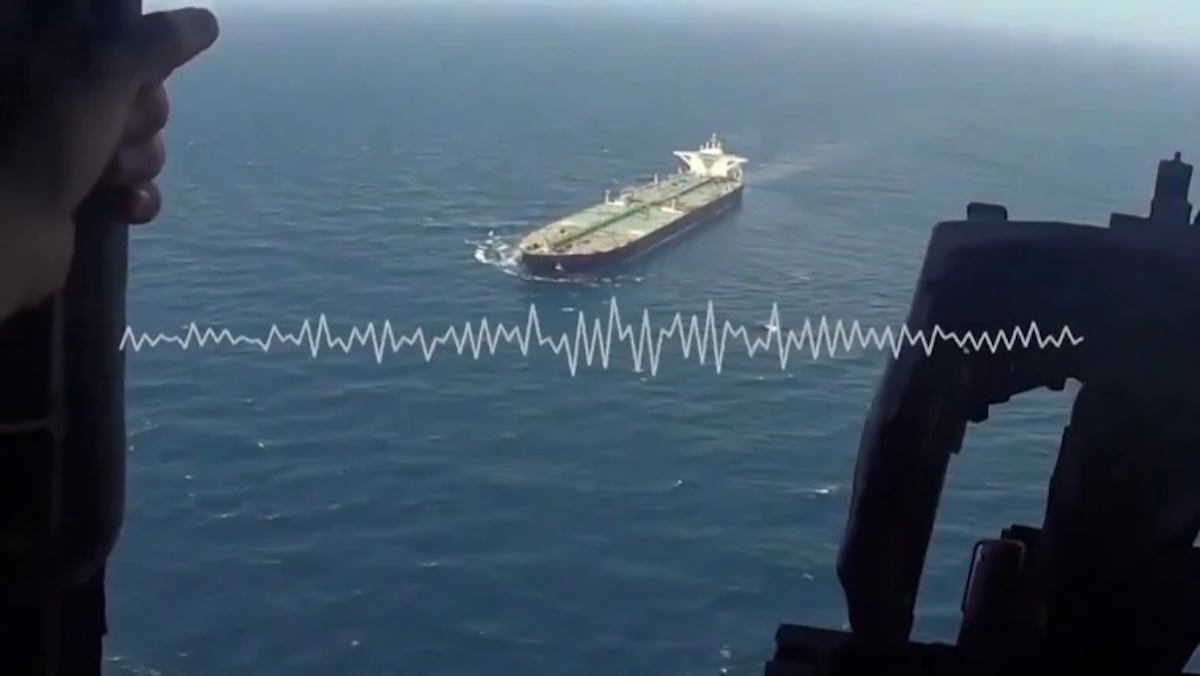
On Friday, Iran formally announced the full reopening of the Strait of Hormuz, one of the world’s most critical strategic shipping chokepoints, to all international commercial vessels, a move tied to the newly implemented ceasefire agreement between Israel and Lebanon. The announcement came directly from Iranian Foreign Minister Abbas Araghchi, who clarified that open passage would be maintained for the duration of the ceasefire along the pre-coordinated shipping route already made public by Iranian authorities.
The development drew an initial response from former U.S. President Donald Trump, who first extended gratitude to Iran via a post on his Truth Social platform. Just 20 minutes after his first message, however, Trump issued a follow-up post that clarified U.S. policy would remain unchanged on one key front: “THE STRAIT OF HORMUZ IS COMPLETELY OPEN AND READY FOR BUSINESS AND FULL PASSAGE, BUT THE NAVAL BLOCKADE WILL REMAIN IN FULL FORCE AND EFFECT AS IT PERTAINS TO IRAN, ONLY, UNTIL SUCH TIME AS OUR TRANSACTION WITH IRAN IS 100% COMPLETE. THIS PROCESS SHOULD GO VERY QUICKLY IN THAT MOST OF THE POINTS ARE ALREADY NEGOTIATED.”
This multi-front ceasefire framework traces back to an agreement reached on April 7 between the U.S., Iran, and Israel, which established a two-week truce. The deal came together after Trump threatened a catastrophic full-scale attack on Iran, warning that “a whole civilization will die tonight” if an agreement was not reached that same day. All parties have explicitly stressed that the current truce does not mark a permanent end to the broader ongoing conflict across the Middle East.
Friday’s announcement follows the rollout of a tentative 10-day ceasefire between Israeli and Lebanese forces. The 50 days of heavy Israeli bombardment that preceded the truce have left a devastating humanitarian toll in Lebanon: thousands of Lebanese people have been killed or injured, including hundreds of children, and more than one million have been displaced from their homes.
A major unresolved question hangs over the truce: how Hezbollah, the Iran-aligned Lebanese militant group that was not included in the ceasefire negotiations, will respond. Hezbollah has launched ongoing rocket and drone strikes on Israeli territory in retaliation for Israel’s military campaign in Gaza and its incursion into southern Lebanon, and the weak Lebanese central government currently lacks the capacity to prevent the group from resuming attacks if it chooses to do so.
The broader conflict that sparked this latest diplomatic push has already had catastrophic consequences across the region. Since the war’s escalation on February 28, thousands of Iranian civilians have been killed or wounded in U.S. and Israeli airstrikes. That same day, a U.S. cruise missile strike on a girls’ school in the Iranian city of Minab killed 168 people, the vast majority of whom were children.
Approximately 30 minutes after his posts addressing the Strait of Hormuz, Trump issued another statement on Truth Social addressing the situation in Lebanon. He wrote: “the USA will, separately, work with Lebanon, and deal with the Hezboolah [sic] situation in an appropriate manner. Israel will not be bombing Lebanon any longer. They are PROHIBITED from doing so by the U.S.A. Enough is enough!!!”
Within minutes of Trump’s public prohibition on further Israeli bombing, both Lebanese and Israeli media reported that Israel had carried out a new drone strike targeting a motorcycle traveling between the southern Lebanese towns of Kounine and Beit Yahoun, killing one person. The official terms of the ceasefire signed Thursday allow Israel to carry out so-called “defensive” strikes in response to what it frames as planned, imminent, or ongoing attacks. This immediate breach of the truce’s spirit has underscored widespread concerns that the ceasefire is fragile and unlikely to bring a lasting end to violence in the region.