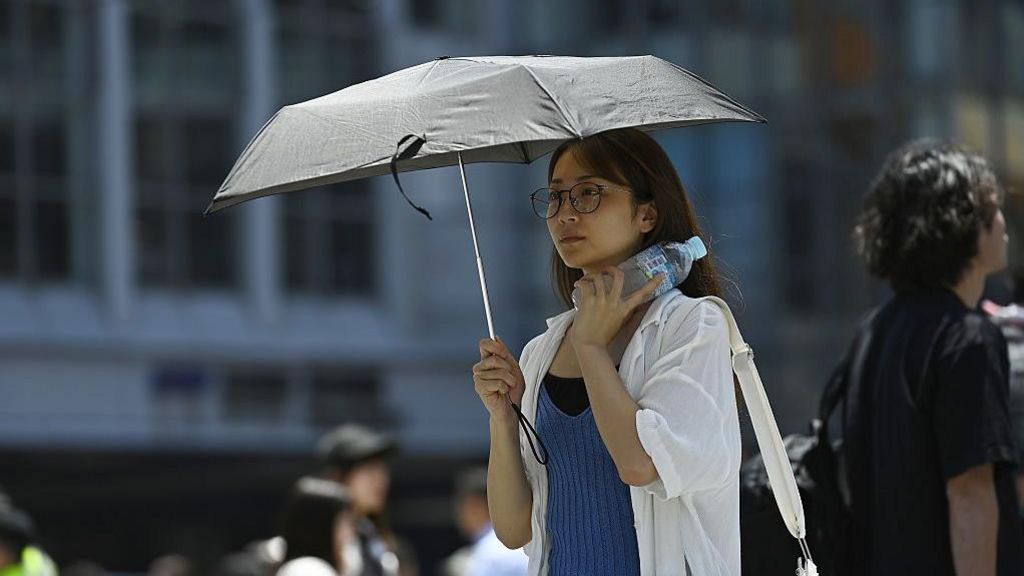
Against a backdrop of worsening global climate trends and a historic heat event last year, Japan’s national weather authority has formally created a new official term to classify the country’s most extreme high-temperature days. The Japan Meteorological Agency (JMA) announced the new designation, *kokushobi*, on Friday, following a nationwide public consultation that crowned the term the top choice among more than a dozen candidate phrases.
Translated across regional and international outlets as “cruelly hot,” “brutally hot,” or “severely hot” day, the term draws from the Japanese character *koku*, which carries connotations of harshness and intensity – a deliberate choice to reflect the dangerous severity of temperatures climbing to 40°C (104°F) and above. *Kokushobi* beat the runner-up option “super extremely hot day” to claim the official designation, after winning the preference of participants in a two-month national online survey held between February and March. The public poll drew approximately 478,000 responses, with respondents invited to select their preferred term from 13 pre-vetted options.
This new classification fills a gap in Japan’s existing temperature tier system, which already had established labels for days exceeding 25°C, 30°C, and 35°C. The update comes in direct response to the record-breaking heat that scorched the country during the 2025 summer season, which official data confirms was the hottest summer Japan has seen since national record-keeping began in 1898. Last year, the national average summer temperature hit 2.36°C above the long-term baseline average. Between June and August, temperatures topped 40°C on nine separate days, and the city of Isesaki set a new all-time national temperature record of 41.8°C.
The total number of extreme high-temperature days across the country also outpaced the previous record set just one year prior, in 2024. Major urban centers saw staggering jumps in the frequency of dangerous heat: Tokyo notched 25 days with temperatures above 35°C, compared to the historical average of just 4.5 days. Meanwhile, Kyoto recorded 52 days above 35°C, far exceeding its average of 18.5 days.
Looking ahead to the 2026 summer season, the JMA is already projecting a very high likelihood that temperatures across Japan will remain above the historical average between June and August, putting renewed pressure on public health systems and heat safety protocols as the country adapts to a warmer climate.