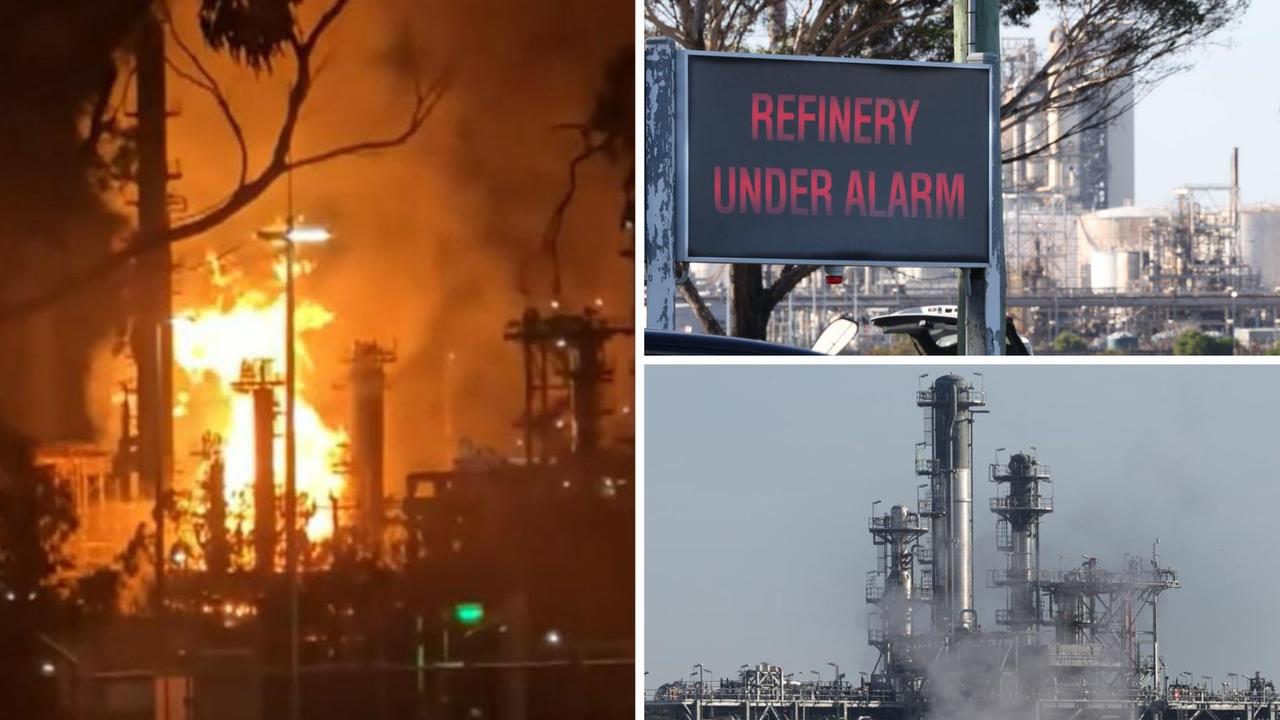
A multi-hour blaze ignited by multiple explosions at one of Australia’s just two remaining operational oil refineries has triggered widespread national concern over fuel security, but top government officials and refinery operators have moved quickly to reassure the public that rationing will not be needed and supply disruptions will be limited.
The incident unfolded just after 11 p.m. local time on Wednesday at Viva Energy’s Corio refinery, located in a northern suburb of Geelong, Victoria. The facility, which accounts for 10% of Australia’s total national fuel stock and supplies more than half of Victoria’s domestic fuel demand, was rocked by a series of blasts that ignited a large fire. It took more than 13 hours for firefighting crews to bring the blaze under control, and emergency personnel remained on site as of Friday morning, staying until the property can be cleared as completely safe for company representatives to re-enter.
In response to the incident, Prime Minister Anthony Albanese cut short an official diplomatic visit to Malaysia to return to Australia and conduct an on-site inspection of the damaged facility on Friday. Deputy Prime Minister Richard Marles publicly dismissed widespread speculation that the Australian government would be forced to implement fuel rationing to offset any production losses.
Marles told reporters on Friday that refinery operator Viva Energy has expressed confidence that the overall impact on national fuel supplies will be relatively minimal. “What the company is confident about, in terms of the impact on petrol specifically – which is the part of the refinery that’s been most affected – that they will be able to cover that with imports, and there are imports of petrol available,” Marles stated. When asked directly about the prospect of rationing, he replied clearly: “Obviously we’re not doing that.”
In an official statement released by the company, Viva Energy confirmed that the refinery will continue operating at reduced production rates while damage assessments are completed. The blaze was isolated to a specific section of the facility, and the company noted that preliminary assessments point to the main production impacts being limited to gasoline and aviation gasoline (avgas). The company added that there is no immediate threat to national fuel supply, and any lost production will be offset through its existing fuel import program.
Bill Patterson, the Geelong refinery’s manager, explained to media outlets that the damaged units are separate from the refinery’s main production lines for petrol, diesel and jet fuel. “There’s a specific couple of units that were impacted… they relate to a part of the refinery that combines LPG to make gasoline-type molecules,” Patterson said. “That’s what’s been damaged by the events of last night, but obviously we still have to look into the full extent of the damage as we get better access to the scene.” He added that the refinery is still producing all major fuel types at a fairly steady rate, and that the overall impact has been small so far.
Early investigations into the cause of the incident point to equipment failure as the likely trigger. However, Sam Jenkins, chief health and safety officer for Victoria’s workplace safety regulator WorkSafe, noted that a full formal investigation could take as long as 12 months to complete. “Right now, as Victoria’s health and safety and dangerous goods regulator, WorkSafe’s priority is supporting lead agencies to ensure that all work on the site is carried out safely and without risk to workers or the public,” Jenkins said. “We understand there is significant community concern about this incident and will continue to engage with our stakeholders during the ongoing response and recovery.”
As of Friday afternoon, authorities and company officials continued to monitor the site and conduct full damage assessments, with more updates expected as the investigation progresses.